A diagnosis of colorectal cancer (CRC) often comes with a flood of information about surgery, chemotherapy, targeted therapies, and immunotherapy. Alongside these established treatments, clinical trials offer another path to explore. For some patients, trials provide access to promising new therapies that aren’t yet available outside of research settings. They also play a crucial role in shaping the future of CRC care, helping researchers refine treatments and discover better ways to improve outcomes.
What is a clinical trial?
A clinical trial is a research study designed to test new approaches for preventing, detecting, or treating disease. These studies move through several phases. Early trials, known as Phase I, focus on safety and identifying the best dose of a treatment. Phase II looks more closely at whether the treatment is effective for certain cancers. By the time a study reaches Phase III, it is comparing the new therapy against the current standard to see if it offers better results. Some treatments continue into Phase IV, which collects additional information once the therapy has already been approved. This step-by-step process ensures that new therapies are rigorously evaluated before becoming widely available.
Evidence-based guidance powered by NCCN Guidelines®
Personalized treatment plans shaped by the latest oncology standards—tailored to your diagnosis.
Get started
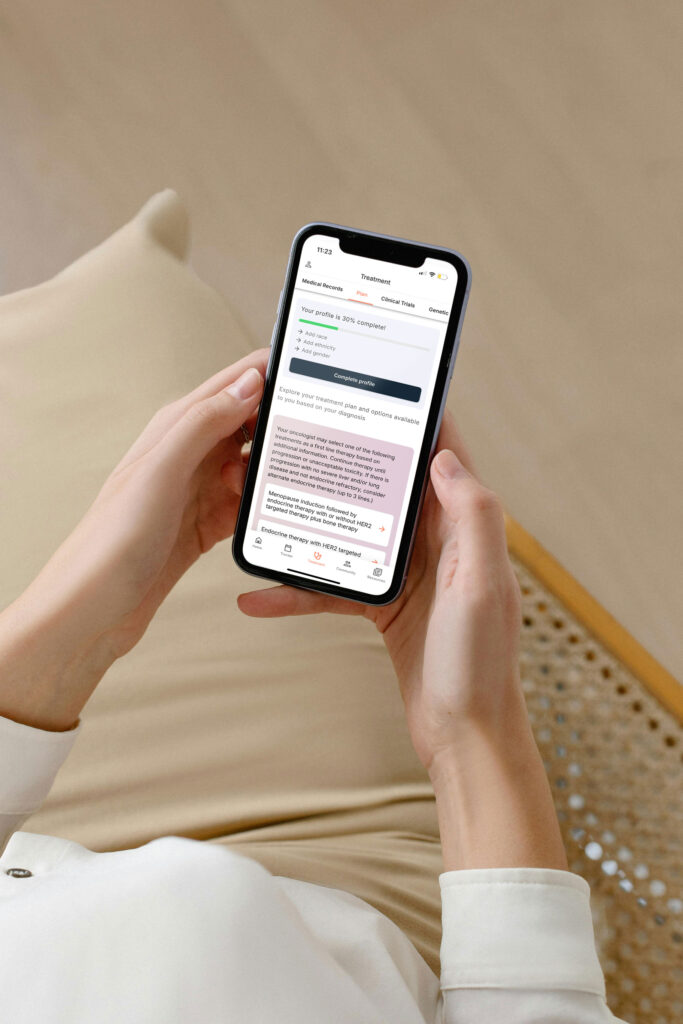
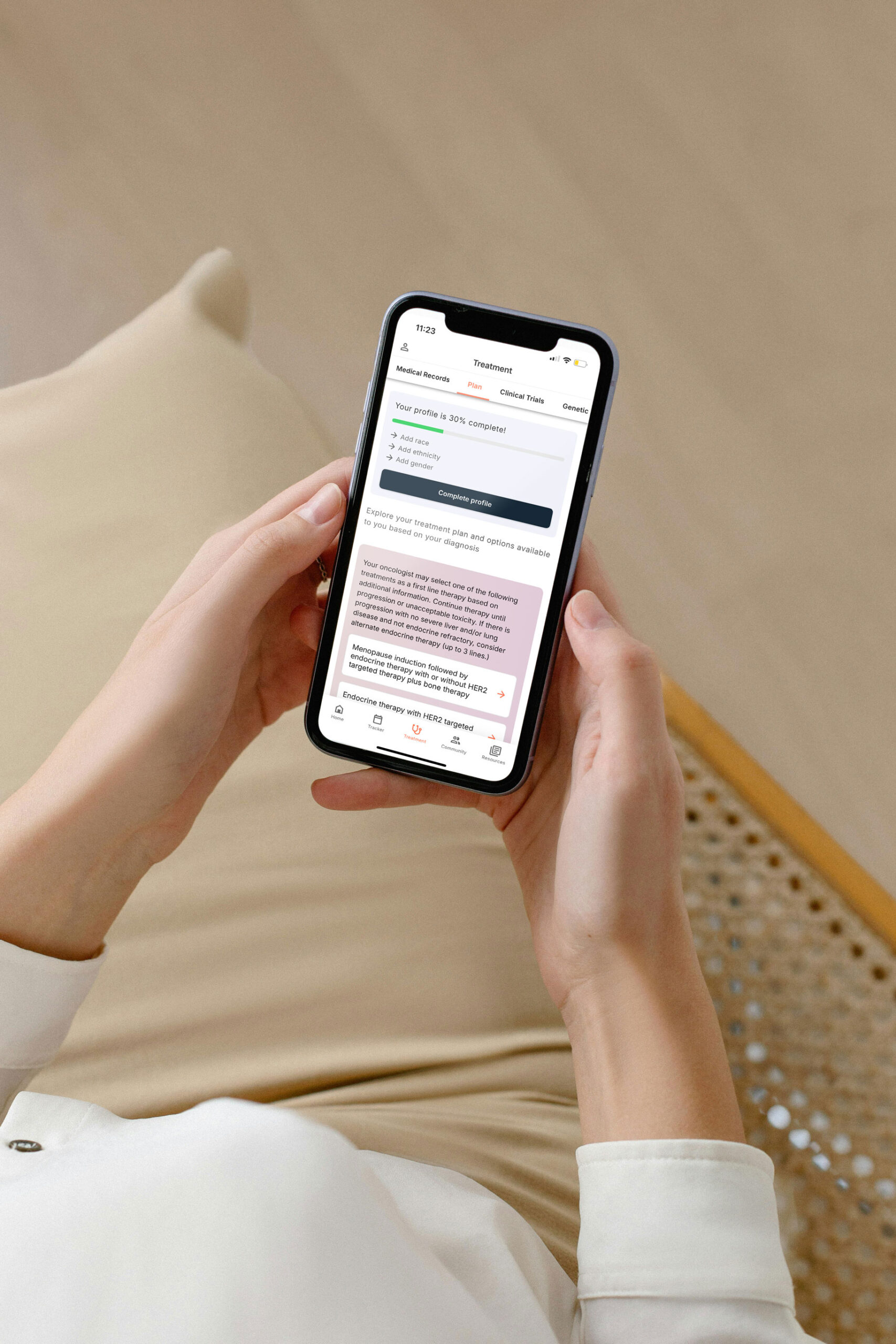
View your personalized treatment plan in the Outcomes4Me app
Use your diagnosis to unlock personalized NCCN Guidelines®-aligned recommendations.
Continue in app
Are clinical trials safe?
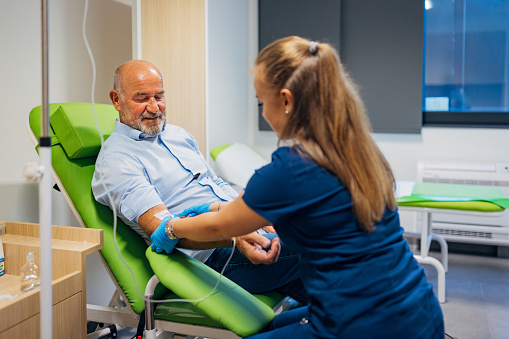
Safety is a top priority in clinical research. Before a trial begins, it is reviewed by ethics boards and independent experts to make sure it meets strict standards. Participants are carefully monitored with regular visits, imaging scans, and lab tests, often resulting in more frequent oversight than with standard care alone. This extra attention can help identify side effects or changes in your health quickly, giving you and your care team additional reassurance.
How can I find a clinical trial?
Your oncologist is the best place to start when considering clinical trials. They can tell you whether there are studies that may be a good fit based on your type and stage of CRC. You can also search the national database at ClinicalTrials.gov, which lists thousands of open studies across the country. Advocacy groups such as the Colorectal Cancer Alliance provide trial navigation support and educational resources that explain options in more patient-friendly language.
Many cancer centers have resources to help with logistics like travel or temporary housing if a trial isn’t available locally. Hospital social workers or patient navigators can also connect you with assistance programs for costs related to transportation, lodging, or childcare.
How can I benefit from a clinical trial?
Taking part in a trial may give you access to innovative therapies years before they become widely available. In CRC, current research is exploring new immunotherapies, targeted agents, and combination treatments that aim to train the immune system to recognize tumor cells. For some patients, participating in these studies could improve outcomes or reduce treatment-related side effects.
There are also practical benefits. Many trial sponsors cover the cost of the investigational treatment, and while travel and lodging may add extra expenses, support programs and non-profit organizations can help offset these burdens.
Just as importantly, your involvement contributes to future progress. Clinical trials are essential for advancing knowledge and care in CRC, meaning your participation could help shape treatments for the next generation of patients.
Questions to ask your doctor
When talking to your doctor about clinical trials, consider asking:
- Are there trials available for my specific type and stage of cancer?
- How does the treatment being studied differ from the standard options available to me now?
- What kind of monitoring, extra visits, or travel might be required if I join a trial?
- What resources are available to help me with expenses?
Don’t be afraid to ask follow-up questions. Your care team is here to support you and help you make the best-informed choice.
As always, if you would like to connect with an Outcomes4Me oncology nurse practitioner at no charge through the Outcomes4Me app, just use the “Ask Outcomes4Me” button.
Personalized support for real care decisions
Understand your diagnosis, explore clinical trials, and track symptoms--all in one place.
Get started
Compare treatments, prepare for appointments, and track side effects—all in the app
Built for your diagnosis, Outcomes4Me gives you the tools to make confident, informed decisions—right when you need them.
Continue in app