
Estate planning after cancer diagnosis gets framed as something you do for the people you leave behind. That framing delays it. The more useful way to think about these documents is that they govern your life during treatment, who speaks for you in a hospital room, who pays the mortgage while you’re recovering, and who can call the insurance company on your behalf.
The core goal is establishing decision-making authority before you need it. Five essential estate planning documents cover most situations: a Will, a durable power of attorney, advance directives, a letter of instruction, and in some cases a living trust. Having them in place spares your family the guesswork during the hardest weeks.
Establishing medical authority and treatment preferences
An advance directive is the legal foundation for your clinical care choices. The distinction between a living will and an advance directive can be confusing: a living will is a component of an advance directive, specifying what treatment you do and don’t want if you can’t speak. A standard will manages property and assets after death, while medical advance directives like Living Wills and Medical Powers of Attorney are the documents that address medical decisions such as ventilator use.
Be specific. Address pain management preferences, artificial nutrition, resuscitation, and whether you want life-prolonging interventions continued if recovery becomes unlikely.
Selecting your healthcare proxy
Your healthcare agent is the person who talks to your care team when you can’t. The healthcare power of attorney vs proxy question is mostly terminology, states use different names for the same role.
Choosing a healthcare agent means choosing someone who stays steady in a crisis and will honor your stated wishes over their own instincts. Sign a HIPAA authorization alongside the directive so your proxy can get medical records access without a delay.
Securing financial continuity with a durable power of attorney
A durable financial power of attorney ensures your financial affairs continue smoothly if you’re sedated, hospitalized, or too exhausted to manage them. “Durable” is the operative word. A durable power of attorney means the authority survives your incapacity. A non-durable power of attorney may end if you become incapacitated, which is often when you would need it most. This is one reason many people choose a durable power of attorney instead.
Evidence-based guidance powered by NCCN Guidelines®
Personalized treatment plans shaped by the latest oncology standards—tailored to your diagnosis.
Get started
View your personalized treatment plan in the Outcomes4Me app
Use your diagnosis to unlock personalized NCCN Guidelines®-aligned recommendations.
Continue in app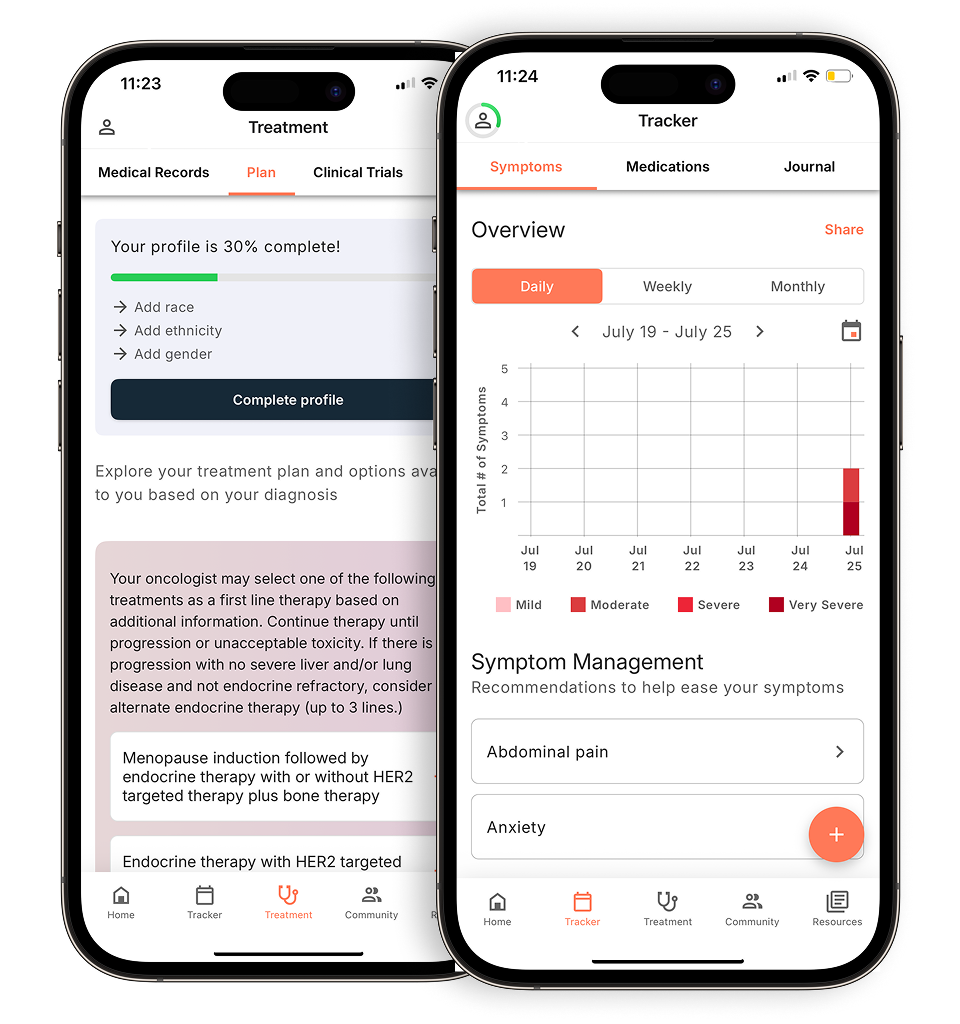
Your agent can pay bills, file insurance claims, manage accounts, handle tax filings, and deal with benefits administrators. A durable power of attorney for health care only goes into effect if your doctor confirms you cannot make your own medical decisions, and your authority is restored if you regain the ability to make decisions.
Managing daily finances during treatment
Incapacity planning for serious illness is mostly about mundane continuity. Mortgage payments, utility bills, car insurance, and school tuition don’t pause for a hospital stay. An agent with clear authority keeps those current without scrambling.
Contact your bank and brokerage early. Financial institutions sometimes maintain their own forms and review processes, and discovering that during a crisis is painful. Confirming acceptance now is part of protecting family finances after diagnosis.
Navigating durable financial power of attorney limits
An agent manages assets within the scope you grant. An agent typically cannot rewrite your will or change your beneficiary designations without explicit authority to do so, and generally cannot act after your death. You may want to discuss the limits of your agent’s powers with your estate planning attorney.
An immediate power of attorney typically takes effect upon signing, though the specific timing and rules can vary depending on your state and the document’s language. It’s worth discussing with an estate planning attorney to confirm when yours becomes active. A springing power of attorney is designed to activate only when a documented finding of incapacity occurs, though the specific trigger and timing may vary depending on your state’s laws and how the document is drafted. Name a successor agent so one person’s unavailability doesn’t stall everything.
Asset distribution and probate avoidance strategies
A last will and testament still matters. It names an executor, directs property that isn’t otherwise assigned, and handles guardianship planning for minor children, which no other document does as cleanly.
A will requires you to designate an executor to distribute your assets, and this process may involve probate court proceedings. Probate can be a public process that may take considerable time to complete. Probate avoidance strategies generally work by moving assets outside the estate entirely.
Cancer care guidance for every step of your journey
Get treatment options, clinical trials, and support tailored to your diagnosis--all in one place.
Get started
See treatment options, manage symptoms, and stay informed—all in the app
View treatment options and trials personalized to your diagnosis—plus track progress in real time.
Continue in appA living trust is a written legal document through which your assets are placed into a trust for your benefit during your lifetime and are then transferred to designated beneficiaries upon your death. Updating a Will after cancer diagnosis and pairing it with a trust is a common combination.
Which bank accounts avoid probate?
Transfer on death (TOD) and payable on death (POD) designations may allow you to name who receives an account directly. Typically, the bank can transfer funds after receiving a death certificate, though you may want to confirm the specific process with your financial institution.
This matters more than most people realize. Beneficiary designations for retirement accounts are typically treated separately from your Will and may take priority in determining who receives those funds. If your 401(k) names an ex-spouse, that’s who inherits it. IRAs, 401(k)s, life insurance, and POD-titled bank accounts may be structured to pass directly to beneficiaries outside of probate, though the specifics depend on how each account is titled and designated. It’s worth discussing with your estate planning attorney which of these tools might apply to your situation.
The strategic use of a living trust
A funded trust provides a successor trustee with immediate access to assets, allowing surviving family members to cover expenses without waiting for court authorization.
Funding is the step people skip. A trust is an alternative to a will that may work better for you if you have complicated assets or substantial property. An unfunded trust may have limited effectiveness on its own, and working with an estate planning attorney can help you understand whether funding your trust is necessary for your goals. A Will typically becomes a public record through the probate process, while a trust generally remains private. This difference may be worth discussing with your estate planning attorney.
Why a will might be your least important document
Conventional advice starts with the Will. For someone starting treatment next month, that’s backwards.
A will only operates after death. Advance directives and powers of attorney can be put in place before or during active treatment, and some patients find it helpful to have them established early in case you need them. That’s the window where a missing document causes real harm, court petitions for guardianship, frozen accounts, and family members arguing in a hallway about what you’d have wanted.
Over-focusing on asset distribution crowds out these living needs. So does neglecting the letter of instruction, a non-binding document listing account numbers, passwords, insurance policies, digital assets, and where the physical paperwork lives. It carries no legal force and saves more hours than anything else on the list.
When standard templates fail patients
Generic online forms are built for generic circumstances. A cancer diagnosis isn’t one.
Templates rarely address whether you’d want to continue in a clinical trial if you lost capacity, or how you weigh experimental treatment against comfort-focused care. That language has to be written deliberately. Boilerplate estate kits tend to miss the nuances that matter for people following a personalized care plan.
How often should you review estate planning documents?
Review on events, not just dates. A change in treatment plan, a new diagnosis, a marriage or divorce, a death among your named agents, a move to another state, or the birth of a child all warrant a look.
Check beneficiary designations every six to twelve months, they drift as accounts are opened, rolled over, or consolidated. Changes in tax law or state statutes can also affect how existing documents operate, which makes periodic legal review worthwhile.
Key takeaways
- Complete the five essential estate planning documents: a Will, a trust where appropriate, a durable power of attorney, advance directives, and a letter of instruction.
- Prioritize immediate decision-making authority over asset distribution during active treatment.
- Verify beneficiary designations on every account, since they override your will.
- Work with a licensed estate attorney in your state to tailor documents to your diagnosis.
Disclaimer: The information provided in this article is for informational purposes only and is not intended to be a substitute for professional medical advice, diagnosis, or treatment. Outcomes4Me is not acting as your caregiver, and any suggestions or guidance offered should not replace the advice of your healthcare provider or qualified medical professional. Always seek the guidance of your physician or other qualified health provider with any questions you may have regarding a medical condition.
Personalized support for real care decisions
Understand your diagnosis, explore clinical trials, and track symptoms--all in one place.
Get started
Compare treatments, prepare for appointments, and track side effects—all in the app
Built for your diagnosis, Outcomes4Me gives you the tools to make confident, informed decisions—right when you need them.
Continue in app