
Understanding the role of immunotherapy in kidney cancer care
Rather than attacking tumor cells directly, immunotherapy removes the brakes the immune system has been tricked into applying. Modern checkpoint inhibitors, including pembrolizumab and nivolumab, block the signals that let renal cell carcinoma hide from T cells. Older cytokine treatments, such as interleukin-2, were sometimes used to treat kidney cancer but have largely been replaced by newer immune checkpoint inhibitors.
The goal here is a durable response, a lasting quieting of disease. Duration depends heavily on the stage at diagnosis.
Standard timelines for adjuvant vs. metastatic treatment
Adjuvant therapy is given after surgery, when scans show no visible disease, to reduce the chance of recurrence. Most adjuvant protocols run a fixed course of about one year, a defined beginning and end. Metastatic disease works differently. Treatment for advanced kidney cancer often continues as long as it keeps working and stays tolerable, which is why kidney cancer immunotherapy duration is discussed in years rather than weeks.
How many rounds of immunotherapy are normal?
Immunotherapy drugs for kidney cancer are given by infusion into a vein, typically once every 2 to 6 weeks, depending on the drug. Rounds are part of a continuous maintenance plan rather than finite cycles. Imaging typically repeats every eight to twelve weeks, and your care team may use those scans to help decide whether to continue your immunotherapy infusions.
The two-year protocol and discontinuation criteria
There’s no single answer for how long you should stay on immunotherapy. Older research suggests kidney cancer immunotherapy continues until progression. More recent research, now common in practice discussions, is a two-year stopping point for patients whose disease has been controlled. Pembrolizumab is usually given for about a year after surgery, meaning there is a planned end point to treatment rather than an indefinite duration.
Evidence-based guidance powered by NCCN Guidelines®
Personalized treatment plans shaped by the latest oncology standards—tailored to your diagnosis.
Get started
View your personalized treatment plan in the Outcomes4Me app
Use your diagnosis to unlock personalized NCCN Guidelines®-aligned recommendations.
Continue in app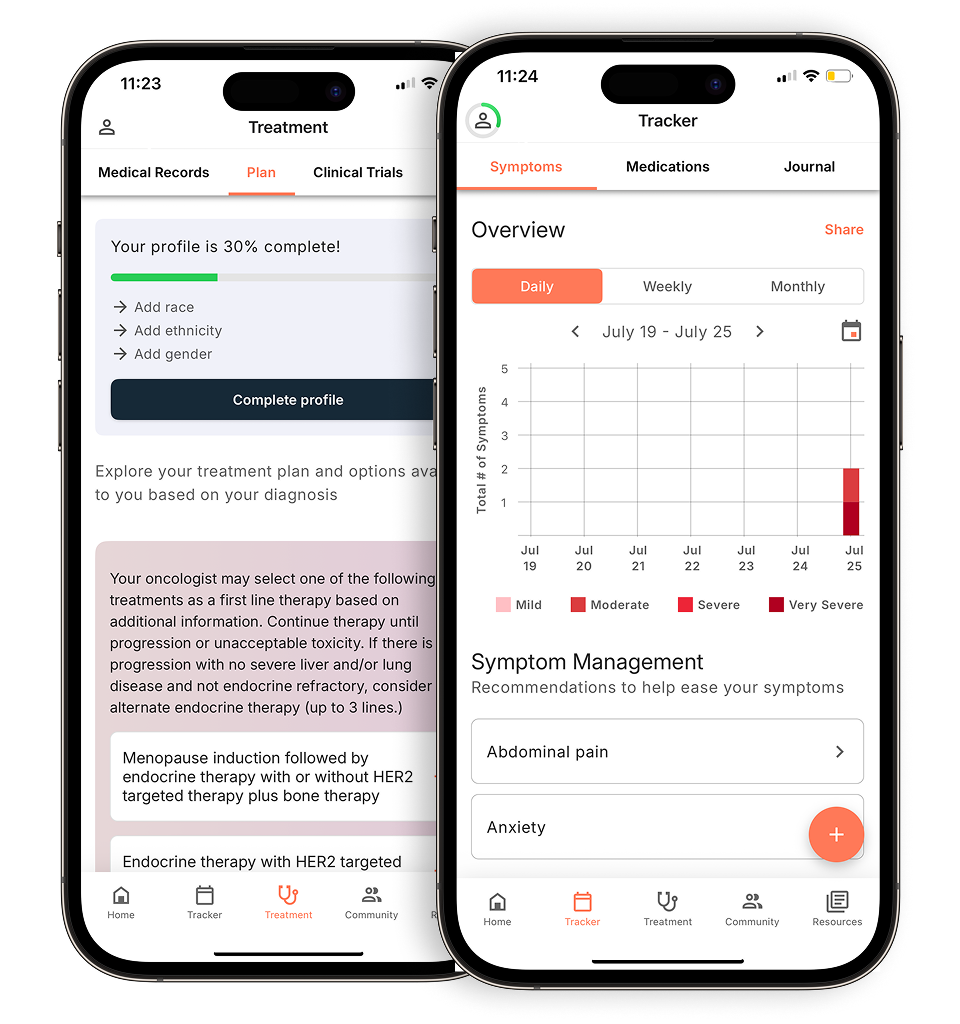
Your doctor may consider stopping immunotherapy if you have achieved a complete or partial response, or if your disease remains stable without signs of progression. Treatment decisions are individualized, so ask your care team whether stopping might be an option for your specific situation. The rationale is straightforward. Extend nothing that adds cumulative toxicity, infusion burden, and cost without adding benefit. Following your immunotherapy treatment, you may enter an active surveillance period with scheduled imaging and labs, no infusions. The immune response, once established, may persist on its own.
What is the success rate and life expectancy?
Survival figures differ sharply between localized disease treated with surgery and metastatic disease. Checkpoint inhibitors have shifted the prognosis conversation for advanced patients from months to years, with a subset achieving long-lasting disease control. One caveat worth carrying into any appointment. Published survival statistics reflect patients treated several years ago, so they trail behind current standards of care rather than describing them.
Do kidneys recover after immunotherapy?
Immune-related adverse events can target the kidneys themselves, producing immune-mediated nephritis. Many immune-related side effects may improve with early detection and treatment using corticosteroids, though some patients may experience changes in kidney function that persist after treatment. That’s why creatinine and other renal labs are drawn before each session, giving the care team an early warning long before symptoms appear.
How long does it take to show results?
Some patients and doctors have observed that tumors may appear larger on early imaging scans during immunotherapy before showing signs of shrinkage, a pattern sometimes called pseudoprogression, which doctors think may occur when immune cells accumulate in the tumor area. If you notice this on your scans, ask your care team how they are interpreting your imaging and whether they plan to continue treatment. Your care team may schedule an initial assessment of how you’re responding to immunotherapy around the three-month mark, though the timing can vary based on your individual treatment plan. Responses can also deepen after the drug is stopped, since the activated immune response continues working without further doses. Patience is part of the protocol, not a sign of failure.
Cancer care guidance for every step of your journey
Get treatment options, clinical trials, and support tailored to your diagnosis--all in one place.
Get started
See treatment options, manage symptoms, and stay informed—all in the app
View treatment options and trials personalized to your diagnosis—plus track progress in real time.
Continue in appManaging life at home during active treatment
Checkpoint inhibitors don’t suppress blood counts the way chemotherapy for stage 4 cancer often does, so most patients aren’t asked to stay home or avoid crowds. Some patients report that fatigue affects their ability to work and travel between infusions more than other side effects do. Call the care team promptly for a new rash, shortness of breath, persistent diarrhea, or unusual thirst.
Limitations and considerations. When to stop early
Deciding when to stop immunotherapy for kidney cancer depends on several factors. Severe immune-related toxicities, Grade 3 or 4 colitis, hepatitis, pneumonitis, endocrine or neurologic events, may lead to permanent discontinuation of immunotherapy. Your care team will weigh the risks and benefits of restarting treatment after the immune system has caused damage to healthy tissue.
There’s also a quieter trade-off. Continuing therapy past a documented, durable response for “extra security” exposes you to late-onset events, some of which are permanent, such as thyroid or adrenal insufficiency requiring lifelong hormone replacement. That risk has to be weighed against the fear of recurrence.
Immunotherapy isn’t the right approach for everyone. Patients with preexisting autoimmune conditions may require special consideration when being evaluated for immunotherapy treatment of kidney cancer. Repeated infusions also carry a financial and logistical burden, copays, travel, time away from work, that belongs in the conversation, not outside it.
Common failure modes and fixes
Primary resistance to immunotherapy means the cancer does not respond to treatment from the start. Acquired resistance is a term that may describe a situation where immunotherapy initially works but becomes less effective over time. Both change the plan rather than ending it. When one treatment stops working, doctors may try different drug treatments, such as switching between immunotherapy and targeted therapy drugs, or trying a combination of these approaches. When a standard renal cell carcinoma immunotherapy length gets cut short, clinical trials often become the most substantive next option.
What you need to know about immunotherapy duration
If you’re asking how long do you stay on immunotherapy for kidney cancer, the honest answer is a range shaped by your stage, your response, and your tolerability, not a single number.
- Adjuvant treatment runs a fixed course, commonly about one year after surgery, followed by structured surveillance.
- Metastatic kidney cancer immunotherapy duration depends on response, continuing through two years or longer, or until progression.
- Success means a durable response, not the fastest tumor shrinkage on the first scan.
- Toxicity is the leading reason treatment ends early, and severe immune-related events can make discontinuation permanent.
- Personalized stopping points have replaced indefinite treatment as the default framing, with treatment-free intervals and close monitoring in place of endless infusions.
- Your personalized care plan should name the milestone you’re working toward, so each appointment has context.
Frequently asked questions
Can I take a break from immunotherapy for a vacation? Often yes. Because dosing intervals are flexible, many care teams can shift an infusion by a week or two. Ask before booking.
What happens if I miss a scheduled infusion? A single delay rarely undoes your response. Treatment usually resumes at the next available slot without restarting the plan.
Does stopping at two years increase my risk of recurrence? That’s the central question behind stage 4 kidney cancer immunotherapy duration research. For patients with sustained responses, surveillance after a planned stop is an accepted approach, and yes, you can stay on immunotherapy for years if your oncologist judges continued treatment appropriate.
How is the decision made to restart therapy? Imaging showing new growth typically triggers a discussion about rechallenge with the same agent or a different regimen.
Disclaimer: The information provided in this article is for informational purposes only and is not intended to be a substitute for professional medical advice, diagnosis, or treatment. Outcomes4Me is not acting as your caregiver, and any suggestions or guidance offered should not replace the advice of your healthcare provider or qualified medical professional. Always seek the guidance of your physician or other qualified health provider with any questions you may have regarding a medical condition.
Personalized support for real care decisions
Understand your diagnosis, explore clinical trials, and track symptoms--all in one place.
Get started
Compare treatments, prepare for appointments, and track side effects—all in the app
Built for your diagnosis, Outcomes4Me gives you the tools to make confident, informed decisions—right when you need them.
Continue in app