
Radiation is often used to treat brain metastases when small cell lung cancer spreads to the brain, but there are different ways to deliver it. Should radiation treat the whole brain, or can doctors focus treatment only on the tumors they can see?
A new study may help answer that question. Results from the phase 3 NRG-CC009 trial, presented in Boston at the 2026 American Society for Radiation Oncology (ASTRO) Annual Meeting, compared two approaches: stereotactic radiosurgery (SRS), which targets brain tumors directly, and hippocampal-avoidant whole-brain radiation therapy (HA-WBRT) plus memantine, which treats the entire brain while taking steps to protect memory.
What is SRS?
SRS delivers a high dose of radiation directly to known brain tumors while limiting radiation to healthy brain tissue. In contrast, HA-WBRT treats the entire brain while avoiding the hippocampus, an area involved in memory. The medication memantine (Namenda) is also used to help reduce cognitive effects from whole-brain radiation.
SRS is commonly used for limited brain metastases from many cancers, but people with SCLC were excluded from earlier trials that established SRS. Doctors had been concerned that treating only the known tumors could allow cancer elsewhere in the brain to progress quickly.
Evidence-based guidance powered by NCCN Guidelines®
Personalized treatment plans shaped by the latest oncology standards—tailored to your diagnosis.
Get started
View your personalized treatment plan in the Outcomes4Me app
Use your diagnosis to unlock personalized NCCN Guidelines®-aligned recommendations.
Continue in app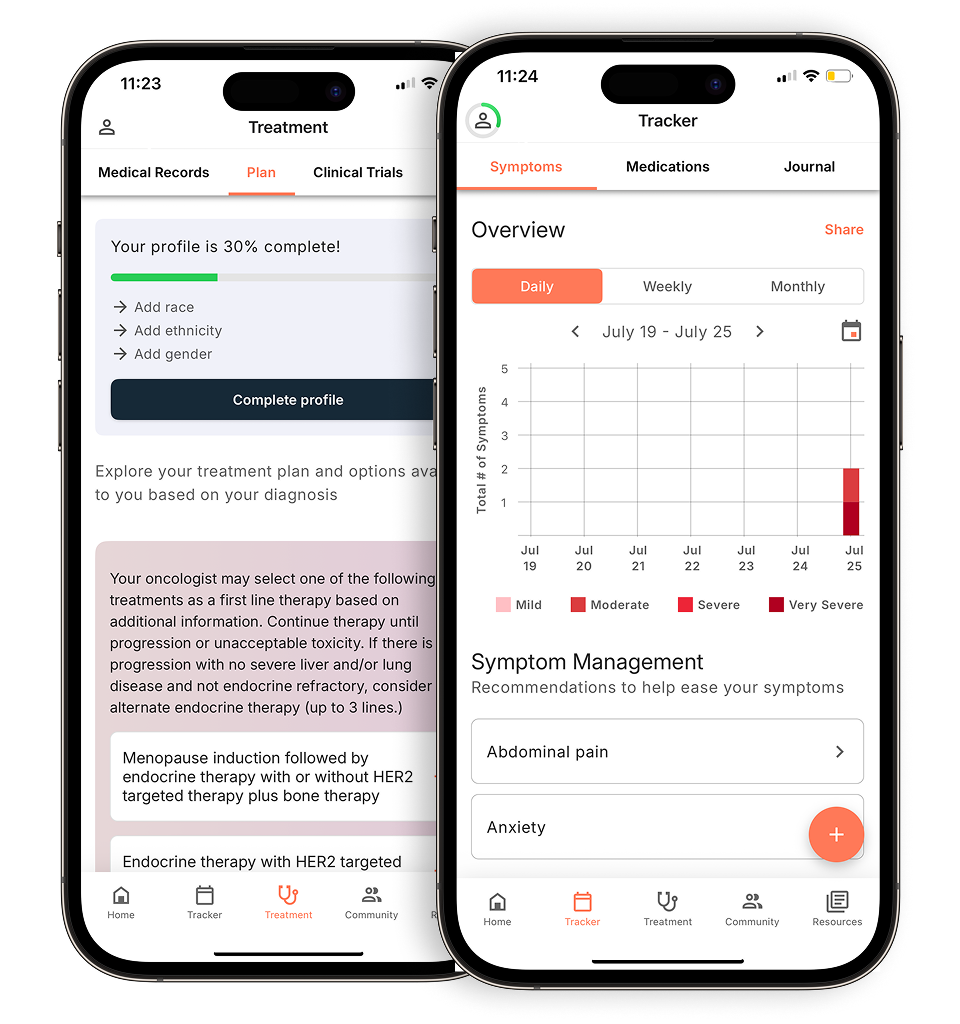
NRG-CC009 is the first randomized phase 3 trial to directly compare these approaches in SCLC.
SRS didn’t reduce cognitive problems
The study’s primary goal was to determine whether SRS could delay measurable decline in areas such as memory, language, or thinking.
At 6 months, neurocognitive failure occurred in:
- 61.7% of people receiving SRS
- 59.2% receiving HA-WBRT plus memantine
SRS didn’t show an advantage over modern hippocampal-avoidant whole-brain radiation plus memantine in preventing measured cognitive decline.
People receiving SRS lived longer
One of the most notable findings was a difference in overall survival.
Median survival was:
- 17.4 months with SRS
- 8.6 months with HA-WBRT plus memantine
At 1 year, 58.9% of people in the SRS group were alive compared with 40.8% in the HA-WBRT plus memantine group. At 2 years, the rates were 31.1% and 18.5%, respectively.
The survival difference remained significant after adjusting for other factors that can affect outcomes.
SRS also meant more brain recurrences
There was an important tradeoff. At 12 months, intracranial failure, meaning cancer progression or recurrence somewhere in the brain, occurred more often with SRS:
- 27.9% with SRS
- 12.6% with HA-WBRT plus memantine
This is expected to some degree because SRS treats known brain tumors rather than the entire brain. New brain metastases can develop elsewhere and may require additional treatment.
However, the study didn’t find a significant difference in neurologic mortality between the groups.
What about side effects?
Treatment-related side effects were more common overall with HA-WBRT plus memantine. Common side effects included fatigue, dizziness, memory impairment, decreased appetite, and hair loss.
With SRS, common side effects included fatigue, headache, nausea, and hair loss. Severe treatment-related side effects weren’t significantly different between the two groups.
Patient-reported quality-of-life results are still expected, so it is not yet clear how the two approaches compare from patients’ perspectives.
Why these findings matter
For years, doctors have had to balance two concerns when treating brain metastases from SCLC: treating cancer throughout the brain while limiting the effects of radiation on thinking and memory.
The NRG-CC009 results suggest that SRS may be a treatment option for some people with SCLC and brain metastases. Importantly, SRS didn’t lead to worse neurocognitive outcomes than HA-WBRT plus memantine in this trial, and it was associated with longer overall survival.
At the same time, SRS was associated with more brain recurrences, making regular brain MRI and close follow-up important.
The results don’t apply to everyone with SCLC and brain metastases. The trial included people with good functional status and brain metastases that met specific size, location, and volume requirements.
If you have SCLC that has spread to the brain, ask your radiation oncologist whether SRS or HA-WBRT plus memantine may be appropriate based on the number and size of your brain metastases, your MRI findings, symptoms, overall health, and other cancer treatments.
These findings were presented at ASTRO 2026. Additional analyses, including patient-reported quality of life and salvage treatment outcomes, are still expected.
Disclaimer: The information provided in this article is for informational purposes only and is not intended to be a substitute for professional medical advice, diagnosis, or treatment. Outcomes4Me is not acting as your caregiver, and any suggestions or guidance offered should not replace the advice of your healthcare provider or qualified medical professional. Always seek the guidance of your physician or other qualified health provider with any questions you may have regarding a medical condition.
Personalized support for real care decisions
Understand your diagnosis, explore clinical trials, and track symptoms--all in one place.
Get started
Compare treatments, prepare for appointments, and track side effects—all in the app
Built for your diagnosis, Outcomes4Me gives you the tools to make confident, informed decisions—right when you need them.
Continue in app