
If you’re undergoing treatment for HR+/HER2- metastatic breast cancer (mBC), you may have heard of “chemo brain,” the cognitive changes that some experience during and after cancer treatment. Chemo brain is a common side effect of cancer treatment that may affect more than half of cancer patients. The medical term for chemo brain is chemotherapy-related cognitive impairment or CRCI. While it’s often temporary, understanding what causes it, how it’s diagnosed, and ways to manage it can be empowering.
What is chemo brain?
Chemo brain refers to difficulties with memory, concentration, and mental clarity associated with cancer treatment. You might notice challenges with:
- Remembering names or appointments
- Finding the right words in conversation
- Multitasking or focusing on tasks
- Processing information quickly
Though it’s called “chemo brain,” it isn’t just caused by chemotherapy. Other cancer treatments, including hormonal therapy, radiation, and targeted therapies, can also contribute. Emotional stress, fatigue, and poor sleep may exacerbate your symptoms.
Evidence-based guidance powered by NCCN Guidelines®
Personalized treatment plans shaped by the latest oncology standards—tailored to your diagnosis.
Get started
View your personalized treatment plan in the Outcomes4Me app
Use your diagnosis to unlock personalized NCCN Guidelines®-aligned recommendations.
Continue in app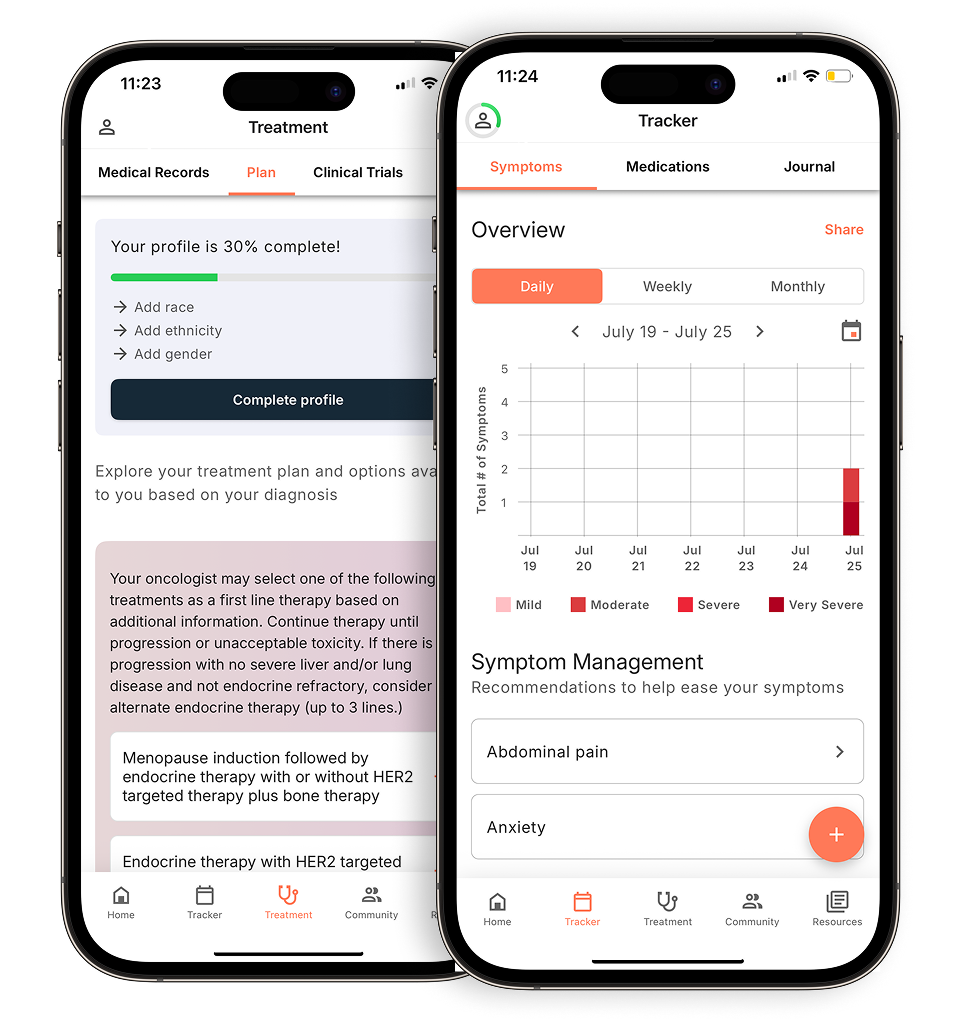
What causes chemo brain?
The exact cause of chemo brain isn’t fully understood, but several factors may contribute, including:
- Inflammation caused by the cancer itself or treatment
- Hormonal changes from therapies like endocrine treatment
- Reduced blood flow to certain brain regions
- Stress and anxiety
- Sleep disturbances and fatigue
As an HR+ mBC patient, you’re likely on some form of endocrine therapy that affects estrogen hormone levels. Estrogen plays a key role in brain function by helping regulate memory formation, verbal communication, attention and focus, and processing speed. When endocrine therapy reduces estrogen levels, this can disrupt your cognitive processes.
How is chemo brain diagnosed?
There’s no single test to diagnose chemo brain. Healthcare providers typically rely on:
- Patient-reported symptoms: Let your care team know if you’re experiencing cognitive issues in daily life
- Cognitive assessments: You may receive simple memory and attention tests to understand the extent of any problems
- Ruling out other causes: Your doctor may order tests to exclude anemia, thyroid issues, or depression as causes of cognitive impairment.
How do you manage chemo brain?
While there’s no specific cure, a combination of approaches can help manage chemo brain:
- Cognitive rehabilitation: Work with specialists, such as speech-language pathologists or occupational therapists, to develop personalized strategies for memory and attention challenges.
- Physical activity: Studies suggest that moderate exercise, like walking, yoga, or swimming, can reduce cognitive symptoms and boost overall brain health.
- Brain training exercises: Puzzles, memory games, and reading may improve cognitive abilities.
- Sleep and stress management: Prioritizing rest and relaxation through mindfulness, yoga, or counseling.
- Support groups and counseling: Joining support groups for cancer patients can provide emotional support and practical advice.
How long does chemo brain last?
For many, cognitive symptoms improve within six to 12 months after completing cancer treatment; however, some may experience lingering effects, especially if on long-term hormonal therapies. Monitoring symptoms and discussing concerns with your care team is important for ongoing support.
When to talk to your doctor
If you notice cognitive changes that interfere with your daily life, it’s important to speak with your doctor. They can help determine whether your symptoms are related to treatment or another underlying condition and recommend appropriate support.
Chemo brain can be frustrating, but with the right tools and support, many people find relief. Stay patient with yourself, prioritize your well-being, and know that improvements often come with time. Don’t hesitate to ask for help — your healthcare team is there to support you every step of the way.
Join an Outcomes4Me private community to gain insight from other patients living with cancer about their own chemo brain experiences.
Personalized support for real care decisions
Understand your diagnosis, explore clinical trials, and track symptoms--all in one place.
Get started
Compare treatments, prepare for appointments, and track side effects—all in the app
Built for your diagnosis, Outcomes4Me gives you the tools to make confident, informed decisions—right when you need them.
Continue in app