
Bladder cancer is the sixth most common cancer in the United States, with more than 83,000 new cases diagnosed each year. It occurs more often in men than women and is usually found in older adults, though it can happen at any age. The majority of cases are urothelial carcinoma, which begins in the cells lining the inside of the bladder.
A new diagnosis can feel life-altering. You may be processing the news while also trying to understand what it means for your health and your future plans. One way to take back a sense of control is to prepare questions to ask your doctor after you receive the news that you have cancer. This can help you understand your diagnosis, treatment choices, and what to expect moving forward. It’s important to prepare and write down a list in advance of your first post-diagnosis appointment as these sessions can feel like “information overload,” and you don’t want to forget to ask about what’s important to you.
Here are some questions you may want to bring to your appointment:
Evidence-based guidance powered by NCCN Guidelines®
Personalized treatment plans shaped by the latest oncology standards—tailored to your diagnosis.
Get started
View your personalized treatment plan in the Outcomes4Me app
Use your diagnosis to unlock personalized NCCN Guidelines®-aligned recommendations.
Continue in app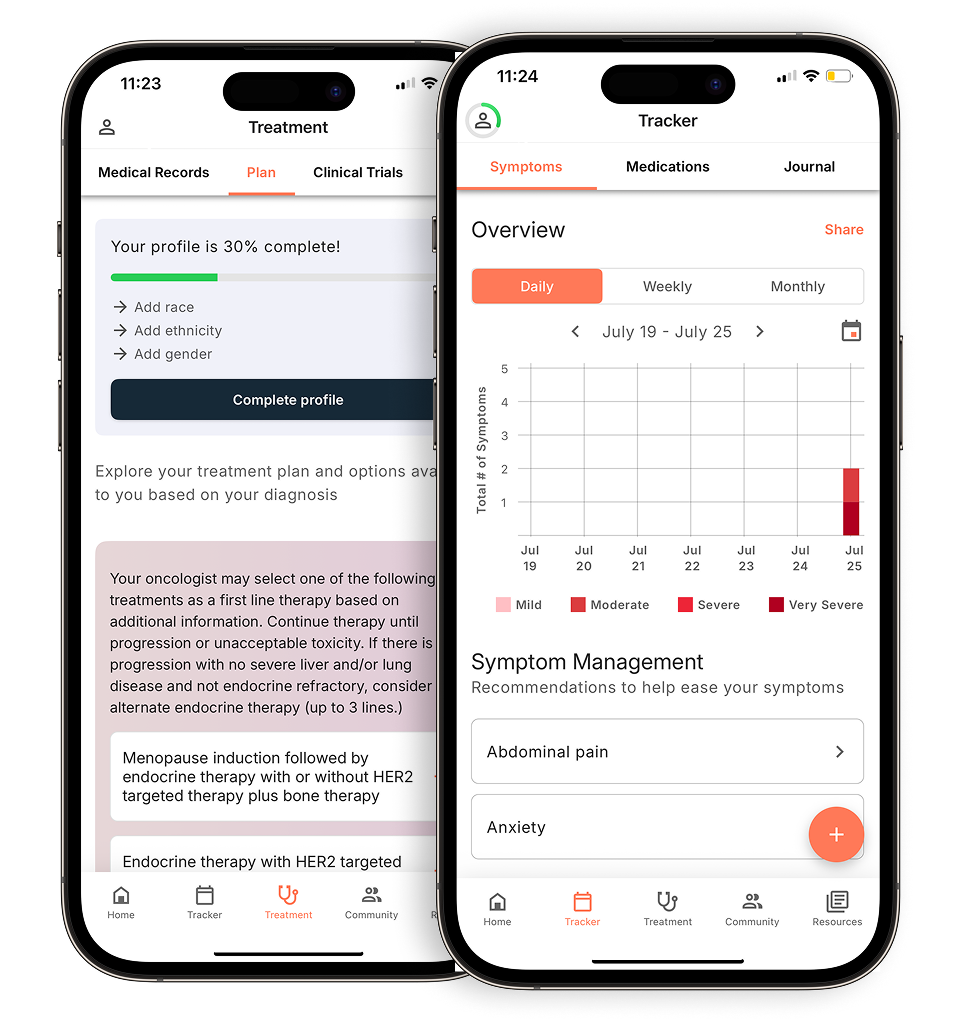
- What type and stage of bladder cancer do I have?
- Has the cancer spread, or is it confined to the bladder lining?
- What treatment options are available to me?
- Will I need surgery, and what are the possible outcomes?
- How can biomarker or genetic testing guide my treatment choices?
- What side effects should I expect from treatment, and how can they be managed?
- What are the chances the cancer will return, and how will we monitor for recurrence?
- Should I think about participating in a clinical trial?
- How will treatment affect my daily life, including work, family, and activities?
As you prepare for your appointment, don’t forget to bring a notebook and a pen to write down the answers. You can review them at any time and think of any follow-up questions you may have. Bringing a trusted friend or family member can be beneficial. They can help you remember details and be a source of support.
Understanding the type and stage of bladder cancer is key to knowing how serious it is and what treatments might work best. Some bladder cancers are non-muscle invasive and can be treated with surgery and therapies placed directly into the bladder. Others are more advanced and may require systemic treatments such as chemotherapy, immunotherapy, or targeted therapies.
Biomarker testing can be a powerful tool to help your care team personalize your treatment plan. These tests look for genetic or molecular changes in the cancer that may help guide the best course of action. Asking whether this is recommended for your case can open the door to additional treatment options and clinical trials.
It’s also important to talk about side effects and daily life. For example, if surgery involves removing the bladder, you’ll want to understand how urinary function will be managed afterward. These are deeply personal considerations, and your doctor can walk you through the options.
In addition to medical treatment, many cancer centers offer supportive resources you may not know about. Palliative care specialists can help with symptom management and quality of life. Nutritionists can provide guidance tailored to your needs during treatment. Social workers may be available to discuss financial assistance or connect you with community programs. Asking about these resources can give you practical tools to support your health and well-being throughout your care.
Finally, don’t forget to ask about what follow-up care will look like. Depending on your specific diagnosis, there are different guidelines for imaging and lab work to monitor any changes that may occur.
Taking the time to ask questions helps you become an active participant in your care. Don’t hesitate to bring a notebook or ask for explanations in plain language. Your care team is there to support you.
You’re not alone. Join the Outcomes4Me Community for a safe space to share your story and connect with others who share your diagnosis.
Compare treatments, prepare for appointments, and track side effects—all in the app
Built for your diagnosis, Outcomes4Me gives you the tools to make confident, informed decisions—right when you need them.
Continue in app