
Your family’s health history can feel like a roadmap with some missing pieces. You might know that relatives have had breast cancer, but you may not know why. Genetic testing for breast cancer can help fill in some of those blanks. It looks for inherited gene mutations, like those in the well-known BRCA1 and BRCA2 genes, that can be passed down through generations. Understanding if a hereditary risk factor exists in your family is powerful. It not only clarifies your own risk but also provides vital information for your relatives. Here, we’ll explore how to interpret the clues in your family tree and what to do with the knowledge you gain.
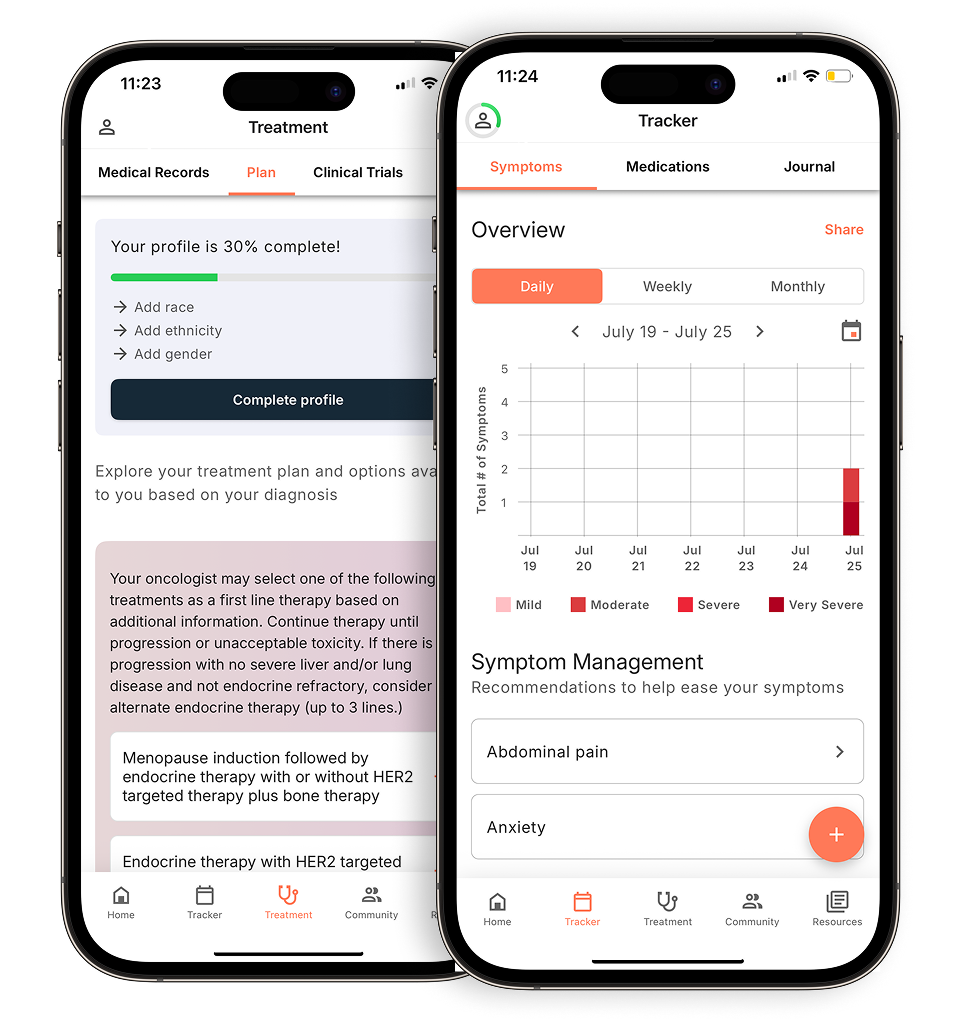
View your personalized treatment plan in the Outcomes4Me app
Use your diagnosis to unlock personalized NCCN Guidelines®-aligned recommendations.
Key Takeaways
- Understand Your Inherited Risk: Genetic testing identifies specific gene mutations that can increase your risk for breast cancer. It’s a proactive tool that provides information to help you and your doctor create a personalized health plan, especially if you have a significant personal or family history of the disease.
- Work with a Genetic Counselor: These specialists are essential partners in this process. They help you determine if testing is appropriate, interpret your results, and understand what the information means for your health management and for your family members.
- Use Your Results to Personalize Your Care: The information from genetic testing can directly shape your health journey. It can lead to a more tailored screening schedule, inform decisions about preventative measures, and even qualify you for targeted therapies designed to be more effective against cancers with specific genetic mutations.
What Is Genetic Testing for Breast Cancer?
Let’s talk about genetic testing. It might sound complex, but the idea behind it is quite simple. Think of it as getting a closer look at your body’s instruction manual—your DNA—to find specific, inherited changes called mutations. For breast cancer, this testing specifically looks for mutations in certain genes that can increase your risk of developing the disease, as well as other cancers like ovarian, prostate, and pancreatic cancer. It’s important to know that this isn’t a test that tells you if you have cancer right now. Instead, it gives you powerful information about your potential future risk, based on the genes you inherited from your parents. This information can be a critical piece of your health puzzle, especially if you have a family history of cancer. Knowing you have a specific gene mutation is like learning that your family’s home was built with a higher risk for electrical fires. It doesn’t mean a fire will ever happen, but it allows you to take extra precautions. This knowledge empowers you and your doctor to create a proactive health plan tailored just for you, focusing on prevention and early detection strategies.
How Does the Testing Process Work?
The process is more straightforward than you might think and typically follows a few key steps. It usually starts with a conversation with your doctor or a genetic counselor, who will review your personal and family health history to determine if testing is right for you. If you decide to move forward, the next step is collecting a sample. This is a simple procedure that can be done right in your doctor’s office. Once collected, your sample is sent to a specialized laboratory where technicians analyze your DNA for specific gene mutations. The analysis can take a few weeks, and once the results are ready, they are sent back to your healthcare provider, who will then schedule a follow-up appointment to discuss them with you.
What Kind of Sample Is Needed?
You won’t need to go through any complicated procedures to provide a sample for genetic testing. The most common methods are all quick and minimally invasive. Often, it’s a simple blood draw, just like the ones you’ve likely had for routine check-ups. A small vial of blood is taken from a vein in your arm and sent off for analysis. Another very common and even less invasive option is a saliva sample. For this, you’ll simply spit into a special collection tube until you’ve provided enough saliva. Some tests also use a buccal swab, which is a soft brush that’s gently rubbed against the inside of your cheek to collect cells. Your doctor or genetic counselor will let you know which type of sample is needed for your specific test.
Which Genes Are Tested? (BRCA1, BRCA2, and More)
You’ve probably heard of the BRCA1 and BRCA2 genes. These are the most well-known genes linked to hereditary breast cancer. Normally, they help protect you from cancer by repairing DNA damage, but when they have a mutation, that protection is lost, increasing your risk. While BRCA1 and BRCA2 are famous for a reason, they aren’t the only ones that matter. Today, it’s common for doctors to order a multi-gene panel test, which looks at a whole group of genes at once. This gives a more complete picture of your inherited risk. This panel might include other important genes like PALB2, CHEK2, ATM, and TP53, among others. Finding a mutation in any of these genes can provide crucial information for your long-term health plan.
Should You Consider Genetic Testing?
Deciding whether to get genetic testing is a personal choice, but it’s one you don’t have to make alone. Certain clues in your personal and family health history can help you and your doctor determine if testing is a good next step for you. Understanding these factors can give you clarity and confidence as you make decisions about your health.
Genetic testing isn’t right for everyone, but for some, it can provide crucial information. This information can influence everything from your screening schedule to your treatment plan if you’ve been diagnosed with breast cancer. Let’s walk through some of the key things to consider when thinking about genetic testing.
Clues in Your Family’s Health History
Your family tree can be a powerful health map. While most people with a family history of breast cancer don’t have an inherited gene mutation, a strong family history can be a significant indicator. You might want to consider testing if you notice specific patterns, such as multiple relatives on the same side of your family who have had breast cancer. Other red flags include a family member diagnosed with breast cancer before age 50, a male relative with breast cancer, or a history of other related cancers like ovarian, pancreatic, or prostate cancer. These patterns can suggest that an inherited gene change might be present in your family.
Your Personal Health and Medical History
Your own health story is just as important as your family’s. If you have been diagnosed with breast cancer, genetic testing can be a valuable tool. The results can help your doctor choose the best treatments for your specific situation. Your doctor may recommend testing if you were diagnosed before age 50 or have what’s known as triple-negative breast cancer. Having a personal history of other cancers, like ovarian cancer, or being of Ashkenazi Jewish descent can also be reasons to consider testing. The goal is to gather as much information as possible to create a personalized and effective care plan.
Understanding Your Personal Risk Factors
It’s helpful to know that only about 5% to 10% of hereditary breast cancers are caused by an inherited gene mutation. This means that most cancers are sporadic, or happen by chance, rather than being passed down through the family. For those that are hereditary, specific genes are often involved. You’ve likely heard of the BRCA1 and BRCA2 genes, which are the most well-known. However, testing often looks at a panel of genes, including others like PALB2, TP53, ATM, and CHEK2, which can also increase your risk. Understanding these factors can help you and your healthcare team assess your personal risk and decide on the right path forward.
The Pros and Cons of Genetic Testing
Deciding to get genetic testing is a big step, and it’s completely normal to weigh the potential benefits against the drawbacks. There’s no single right answer for everyone, but understanding both sides can help you make the most informed choice for your health and peace of mind. Thinking through these points with your family and a genetic counselor can give you the clarity you need to move forward.
Pro: The Power of Early Detection and Prevention
One of the biggest advantages of genetic testing is the knowledge it provides. Since about 5% to 10% of breast cancers are hereditary, understanding your genetic makeup can help you and your doctor get ahead of a potential diagnosis. If you find out you have a gene mutation that increases your cancer risk, you can start taking proactive steps right away. This might include more frequent screenings like mammograms or MRIs, lifestyle changes, or preventative medications or surgeries. This information empowers you to manage your risk on your own terms, giving you a sense of control over your health journey.
Pro: Creating a More Personalized Treatment Plan
If you’ve already been diagnosed with breast cancer, genetic testing can be a powerful tool in shaping your care. Knowing your genetic status helps your oncology team choose the best treatment plan specifically for you. For example, certain gene mutations, like BRCA1 or BRCA2, may make you a candidate for targeted therapies that are particularly effective against cancers with those mutations. It can also influence surgical decisions. Some women who test positive for a high-risk gene mutation choose to have a bilateral mastectomy (removal of both breasts) to significantly lower the risk of a new cancer developing in the future.
Con: The Emotional Side of Getting Results
While knowledge is power, it can also be heavy. It’s important to prepare for the emotional impact of your test results. Learning you have a gene mutation that increases your cancer risk can bring on a wave of emotions, and it’s common to experience sadness, anxiety, or even anger. You might also feel a sense of guilt or worry about having passed the gene to your children. While studies show most people adjust well over time, the initial news can cause emotional distress47403-6/fulltext). This is why having a strong support system and working with a genetic counselor is so crucial—they can help you process these feelings and what they mean for you and your family.
Con: What About Privacy and Insurance?
It’s natural to worry about whether your genetic information could be used against you. Thankfully, a federal law called the Genetic Information Nondiscrimination Act (GINA) offers significant protection. GINA makes it illegal for health insurance companies and most employers to discriminate against you based on your genetic information. However, it’s important to know that GINA’s protections don’t extend to life insurance, disability insurance, or long-term care insurance. Because of this, some experts recommend putting these types of insurance policies in place before you get tested, just in case. Talking to a genetic counselor can help you understand these nuances.
How to Understand Your Genetic Test Results
Getting your genetic test results can feel like a huge moment. The report will show one of three main outcomes: positive, negative, or a variant of uncertain significance. Each one means something different for your health journey, and it’s completely normal to have a lot of questions. Remember, these results are not a diagnosis but a tool to help you and your doctor make informed decisions. Let’s break down what each type of result means so you can feel more prepared for the conversation with your healthcare provider.
What a Positive Result Means
A positive result means the test found a specific gene mutation linked to an increased risk of breast cancer. While this news can feel overwhelming, it gives you powerful information. It doesn’t mean you have cancer or will definitely get it, but it allows you to be proactive. This knowledge helps your care team create a personalized plan with risk-reduction options, which might include more frequent screenings, medications, or preventative surgery. Think of it as a roadmap, providing clear direction on the steps you can take to manage your health.
What a Negative Result Means
A negative result means you do not have the specific gene mutation that was tested for. This is often reassuring news, but it’s important to understand its limitations. A negative result doesn’t mean you have zero risk of developing breast cancer, as most cases are not inherited. Because of this, it’s still essential to follow through with regular cancer screenings, like mammograms, and maintain a healthy lifestyle. Your personal and family history still play a key role in your overall risk, so continue having open conversations with your doctor about your screening schedule.
Understanding a “Variant of Uncertain Significance” (VUS)
Sometimes, a test finds a gene change, but experts don’t yet know if it affects your cancer risk. This is called a variant of uncertain significance (VUS). Getting a VUS result can be confusing, but it’s more common than you might think. For now, a VUS is not considered actionable, so your medical care won’t change because of it. Instead, your doctor will make recommendations based on your personal and family health history. As researchers learn more, these variants are often reclassified, and your genetic counselor can keep you updated on any changes.
Why You Need a Genetic Counselor
Going through genetic testing can feel like a lot to handle on your own, but you don’t have to. Genetic counselors are healthcare professionals trained in both medical genetics and counseling. They are your dedicated partners throughout this process, helping you understand your options, interpret your results, and figure out what comes next. Think of them as your personal guide, translating complex genetic information into clear, manageable steps for you and your family. They provide support before you even take a test and are there to help you make sense of it all afterward, ensuring you feel confident and informed every step of the way.
Before the Test: Setting Expectations
Deciding to get genetic testing is a big step, and it’s completely normal to have questions. A genetic counselor is the perfect person to talk to before you commit. They will sit down with you to review your personal and family medical history in detail, helping you figure out if testing is right for you. They can explain the different types of genetic tests, what they look for, and the range of possible outcomes. This pre-test counseling session is also a safe space to discuss any worries you might have, from the emotional impact of the results to the costs involved. Their goal is to give you all the information you need to make a choice that feels right for you.
After the Test: Making Sense of Your Results
Your genetic test results can be complex, and they often come with more than a simple “yes” or “no” answer. This is where a genetic counselor becomes an invaluable resource. They will walk you through your report line by line, explaining exactly what your results mean for your health. Whether your result is positive, negative, or a “variant of uncertain significance,” they can clarify your personal cancer risk and what follow-up steps you should consider. It’s so important to discuss your results with a professional who can put them into context, especially since they can also have implications for your relatives.
How to Talk to Your Family About Your Results
Sharing your genetic test results with family can be one of the most challenging parts of the process. A positive result means your close relatives, like parents, siblings, and children, may also carry the same genetic mutation. A genetic counselor can help you prepare for these conversations. They can offer strategies for explaining what the results mean and why it might be important for your family members to consider testing, too. They can even help you draft a letter or email to share with relatives. Having a plan makes it easier to discuss these possibilities in a way that is supportive and clear, empowering your loved ones to take charge of their own health.
What Are the Next Steps After Getting Your Results?
Getting your genetic test results can feel like a huge moment, and it’s completely normal to have a lot of questions running through your mind. Whether the result is positive, negative, or uncertain, the most important thing to remember is that this information is a tool. It gives you and your healthcare team the power to create a personalized plan for your health. Let’s walk through what comes next and how you can use your results to make informed decisions that are right for you.
If Your Result Is Positive: A Plan for Action
A positive result means a specific gene mutation linked to a higher risk of breast cancer was found. While this news can be overwhelming, it provides clarity. This information can help guide your treatment if you’ve already been diagnosed with cancer. It also has implications for your family, as your biological siblings and children have a 50% chance of carrying the same mutation. A genetic counselor is your best resource here. They can help you understand the specifics of your result and discuss how to share this information with relatives who may also want to consider testing.
Exploring Your Risk-Reducing Options
With a positive result, you can take proactive steps to manage your cancer risk. Your doctor will discuss several options with you, which might include more frequent screenings, risk-reducing medications, or preventive surgeries. For example, if you have a high-risk gene mutation, your doctor might suggest a contralateral mastectomy (removing the healthy breast) to lower the risk of a new cancer developing. For women with a BRCA1 or BRCA2 mutation, a bilateral mastectomy (removing both breasts) is often recommended. These are deeply personal decisions, and your care team will support you in choosing the path that feels right for you.
Thinking About Family Planning
Your genetic test results can also play a role in your family planning decisions. Knowing you carry a gene mutation that increases cancer risk allows you to have informed conversations with your partner and your doctor about the future. There are reproductive options available, such as preimplantation genetic testing (PGT), that can help reduce the chances of passing the mutation to your children. This is a complex and personal topic, and a genetic counselor can provide you with the information and support you need to explore your options. They can help you weigh the emotional and medical aspects so you feel confident in your decisions.
Creating a Long-Term Screening Plan
Regardless of your results, having a solid screening plan is key. If you test positive, your doctor will likely recommend a more intensive surveillance schedule. This could include starting screenings at a younger age, having them more often, or alternating between different types of imaging, like mammograms and breast MRIs. If you test negative, it’s still crucial to stick to a regular screening schedule. Remember, most breast cancers are not hereditary, so an early detection plan is important for everyone. Your results are one piece of the puzzle that helps create a complete picture of your health.
How Genetic Testing Can Shape Your Treatment Plan
If you’ve been diagnosed with breast cancer, genetic testing can feel like one more overwhelming thing on your to-do list. But it’s much more than just a test—it’s a tool that can give your care team critical information to create a treatment plan that’s truly personalized to you. The results can help your doctor understand the specific characteristics of the cancer, moving beyond a one-size-fits-all approach.
Think of it as getting a detailed blueprint of the cancer you’re fighting. This blueprint can reveal vulnerabilities that certain treatments can target, or it might point toward a surgical approach that could lower the risk of the cancer returning. By understanding the genetic factors at play, you and your doctor can make more informed, confident decisions about the path forward, ensuring your treatment is as effective as possible from day one.
Finding the Right Treatment for You
After a breast cancer diagnosis, one of the first big questions is, “What’s the best treatment for me?” Genetic testing helps answer that. The results can reveal inherited gene mutations, like those in the BRCA1 or BRCA2 genes, which can influence how cancer behaves. This knowledge helps your doctor choose the most effective course of action.
For example, knowing you carry a specific gene mutation might impact surgical decisions. Some women who test positive for a BRCA mutation may discuss the option of a bilateral mastectomy (removing both breasts) to reduce the risk of a future cancer. This is a deeply personal decision, but genetic testing after a breast cancer diagnosis provides the information you need to have that conversation with your care team.
Uncovering Options for Targeted Therapy
One of the most powerful ways genetic testing influences treatment is by opening the door to targeted therapies. These are modern treatments designed to attack cancer cells with specific genetic changes, often with fewer side effects on healthy cells compared to traditional chemotherapy. If your test results show a mutation in a gene like BRCA1 or BRCA2, you may be a candidate for a class of drugs called PARP inhibitors.
These drugs work by exploiting a weakness in cancer cells that have these mutations. Essentially, they block a pathway that cancer cells use to repair themselves, causing them to die off. This is a perfect example of personalized treatment, where your unique genetic makeup guides the selection of a drug designed to work best for you.
Common Myths About Genetic Testing, Debunked
When it comes to genetic testing, there’s a lot of information out there—and not all of it is accurate. It can be tough to separate fact from fiction. Let’s clear up a few common misunderstandings so you can feel more confident in your health decisions.
Myth: All Breast Cancer Is Hereditary
It’s a common belief that breast cancer is always passed down through the family, but that’s not the case. In reality, only about 5% to 10% of breast cancers are considered hereditary, meaning they’re linked to a specific gene mutation inherited from a parent. The vast majority of breast cancer cases are “sporadic,” which means they happen by chance and are not linked to a known inherited gene. These cancers are more likely related to factors like lifestyle, environment, and the natural aging process. Understanding this distinction is key, as it helps explain why someone with no family history of breast cancer can still receive a diagnosis.
Myth: Genetic Tests Are Always 100% Certain
A genetic test is a powerful tool, but it’s not a crystal ball. It cannot tell you with 100% certainty whether you will or will not get breast cancer. Instead, it provides information about your risk. A positive result for a gene mutation like BRCA1 or BRCA2 means you have a significantly higher risk of developing breast cancer, but it’s not a guarantee. Likewise, a negative result doesn’t mean your risk is zero; it just means you don’t carry the specific mutations that were tested for. Your overall cancer risk is still influenced by your personal health, family history, and lifestyle choices.
Myth: At-Home Tests Tell You Everything You Need to Know
Direct-to-consumer genetic tests have become popular, but they often don’t provide a complete picture for medical purposes. Many of these at-home kits only screen for a few of the most common gene mutations. The American Cancer Society warns that a “negative” result from one of these limited tests can create a false sense of security. You could still carry a less common mutation that the test didn’t look for. For a comprehensive assessment of your hereditary cancer risk, it’s always best to work with a healthcare provider or genetic counselor who can order the right clinical-grade test for you and help you understand the results.
How to Get Started with Genetic Testing
Deciding to pursue genetic testing is a big step, and it’s natural to wonder what comes next. The process is more straightforward than you might think. It’s all about connecting with the right experts, understanding the logistics like cost and insurance, and coming to your appointment prepared. Taking it one step at a time can make the entire experience feel much more manageable. Let’s walk through how to get started.
Find the Right Healthcare Provider
You don’t have to figure this out alone. Your first step is to talk to a healthcare professional who can guide you. This could be your oncologist, surgeon, or primary care doctor. They can refer you to a genetic counselor, who is a specialist trained to help you through this process. A genetic counselor will review your personal and family health history to determine if testing is a good fit for you and which specific tests make the most sense. They are your go-to resource for understanding the results and what they mean for your health and your family.
Understand the Costs and Insurance Coverage
It’s smart to look into the financial side of testing early on. The cost can range from less than $100 to over $2,000, so it varies quite a bit. The good news is that health insurance often covers it, especially if your doctor recommends testing to help guide your treatment plan. Coverage is also common if you meet certain criteria based on your personal or family history of cancer. The best first step is to call your insurance provider directly to ask about your plan’s specific coverage for genetic testing. They can give you the most accurate information.
Prepare for Your Appointment
A little preparation can help you get the most out of your appointment. Before you go, take some time to gather your medical records and think about your family’s health history. Try to collect information on any relatives who have had cancer, including the type of cancer and their age at diagnosis. It’s also helpful to write down any questions you have. Speaking with a genetic counselor before and after testing is incredibly valuable. They can explain the benefits and risks, help you process the results, and discuss what the information means for you and your loved ones.
Related Articles
- Why get genetic testing for breast cancer? – Outcomes4Me
- Breast Cancer Genomic Testing: Which Type Is Right For You?
- Gene Mutations in breast cancer – how they affect survival rate
- Beyond BRCA1 and BRCA2: Advanced genetic testing for breast cancer – Outcomes4Me
- Debunking Genetic Testing For Breast Cancer Myths Webinar
View your personalized treatment plan in the Outcomes4Me app
Use your diagnosis to unlock personalized NCCN Guidelines®-aligned recommendations.
Frequently Asked Questions
If I test positive for a gene mutation, what does that mean for my children? A positive result means your biological children have a 50% chance of inheriting the same gene mutation from you. It’s important to remember that this is not a cancer diagnosis for them. It simply means they may have an increased risk and can benefit from this knowledge later in life. A genetic counselor can help you figure out the best way to talk to your family about this information when the time is right, empowering them to make their own informed health decisions.
My doctor hasn’t suggested genetic testing. Should I be the one to start the conversation? Absolutely. You are your own best advocate, and it’s always a good idea to bring up anything that’s on your mind. Your doctor has a lot to cover, and they may not have raised the topic yet. Come to your next appointment prepared to share your personal and family health history, and simply ask, “I’ve been reading about genetic testing, and I’m wondering if it’s something I should consider.” This opens the door for a productive conversation about whether it’s the right next step for you.
What’s the real difference between a negative result and a ‘variant of uncertain significance’ (VUS)? Think of it this way: a negative result means that for the specific genes they looked at, no known risk-increasing mutations were found. It’s reassuring, but you’ll still follow standard screening guidelines. A VUS result, on the other hand, is like an inconclusive finding. It means the lab found a genetic change, but science hasn’t yet determined if that change affects cancer risk. For now, a VUS doesn’t change your medical plan; your care will be based on your family history, not the VUS itself.
I’ve already finished my breast cancer treatment. Is there still a point in getting tested? Yes, there can still be significant value in getting tested even after your treatment is complete. The results can provide important information about your risk for other cancers in the future, allowing you to create a long-term screening plan. It can also be incredibly valuable for your family members, as it gives them crucial information about their own potential health risks.
How do I handle the anxiety while waiting for my results? The waiting period can be one of the most challenging parts of the process. It’s helpful to remember that you are in control of how you spend this time. Focus on activities that you enjoy and that help you feel grounded, whether it’s going for a walk, talking with a trusted friend, or diving into a good book. Remind yourself that no matter the outcome, this information is a tool that will help you and your doctors make a plan. You are gathering knowledge, and that is a powerful step.