
The internet can be a scary place when you’re looking for information about a serious health condition. A search for stage 4 prostate cancer can bring up frightening statistics and myths that don’t tell the whole story. It’s time to separate fact from fiction. A diagnosis is not a deadline, and survival statistics don’t define your individual journey. This article will address the common misconceptions about life expectancy, treatment side effects, and what a high PSA level really means. Our goal is to provide you with a clear, realistic, and hopeful perspective based on facts, so you can move forward with confidence.
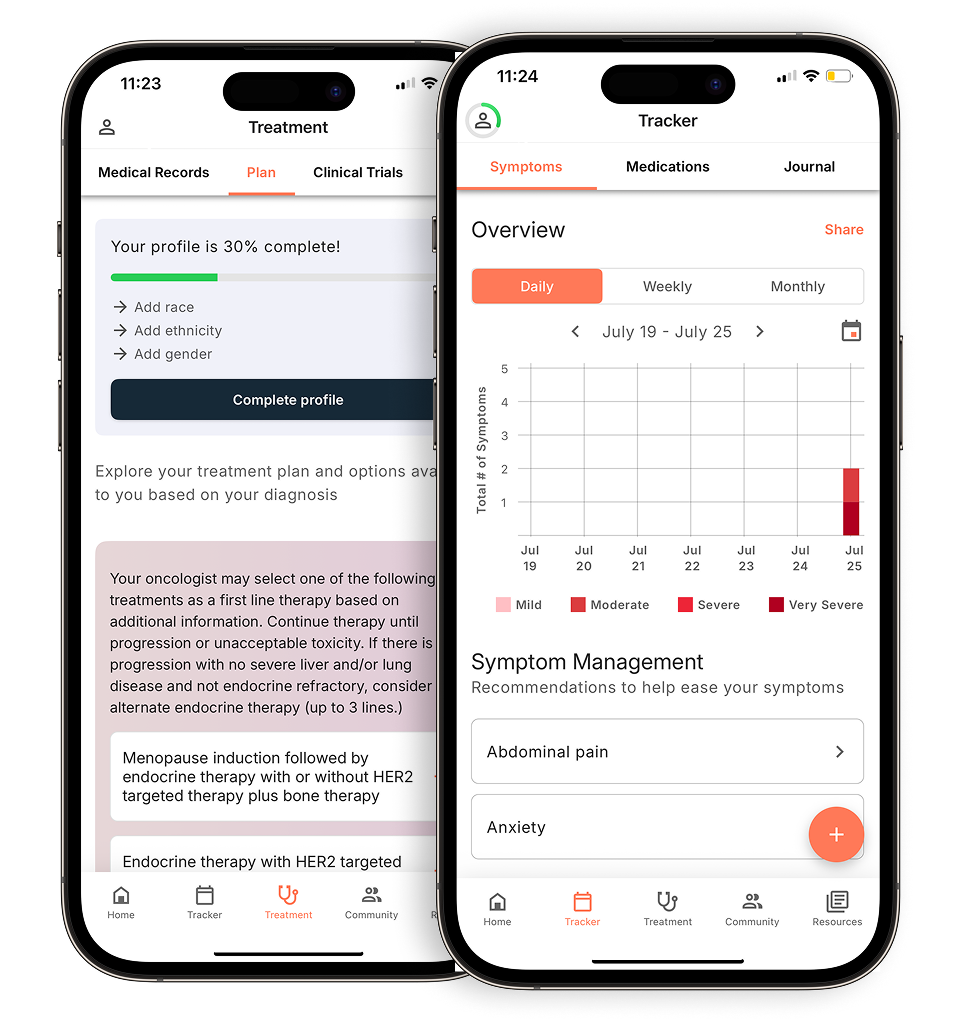
View your personalized treatment plan in the Outcomes4Me app
Use your diagnosis to unlock personalized NCCN Guidelines®-aligned recommendations.
Key Takeaways
- Focus on Long-Term Management: A Stage 4 diagnosis means the goal is to treat prostate cancer as a chronic condition. Your care team will work with you to control its growth, manage symptoms, and prioritize your quality of life every step of the way.
- Your Treatment Plan is Personalized and Will Evolve: There isn’t a single path forward. Your plan will be tailored to you, combining options like hormone therapy and targeted treatments, and will be adjusted as your needs change. Your input is a crucial part of this process.
- Lean on Your Entire Support System: You don’t have to handle this alone. Actively seek support from family, friends, and patient groups, and don’t hesitate to use financial and practical resources designed to ease the burden of care.
What Is Stage 4 Prostate Cancer?
Receiving a Stage 4 prostate cancer diagnosis can feel overwhelming, but understanding what it means is the first step in taking control of your health journey. Simply put, Stage 4 is the most advanced stage of prostate cancer. This means the cancer is no longer confined to the prostate gland itself. Instead, it has traveled, or metastasized, to other areas of your body. This stage is also known as metastatic prostate cancer, and it’s defined by this spread.
The cancer cells may have reached nearby tissues, lymph nodes, or more distant parts of the body like your bones, liver, or lungs. Because the cancer has moved beyond its original location, treatment approaches for Stage 4 are different from those for earlier, localized stages. The focus often shifts from curing the cancer to controlling its growth, managing symptoms, and preserving your quality of life. While this is a serious diagnosis, it’s important to remember that advancements in treatment are constantly being made. Your care team will work with you to create a personalized plan based on where the cancer has spread, the characteristics of the cancer cells, and your overall health.
What Does “Metastatic” Mean?
You’ll hear the word “metastatic” used often when discussing Stage 4 cancer, and it’s a key concept to understand. Metastatic simply means that the cancer has spread from its original site—in this case, the prostate—to other parts of the body. These new cancer sites are called metastases. For prostate cancer, the most common place for metastases to form is in the bones, but they can also appear in lymph nodes, the lungs, or the liver. It’s important to know that even if prostate cancer spreads to the bones, it’s still considered prostate cancer, not bone cancer, and is treated as such.
Stage 4A vs. 4B: What’s the Difference?
To provide a more precise diagnosis, doctors divide Stage 4 into two sub-stages: 4A and 4B. The main difference between them is how far the cancer has spread. In Stage 4A, the cancer has spread to nearby lymph nodes but has not yet reached distant parts of the body. It may have also grown into nearby tissues like the bladder or rectum. In Stage 4B, the cancer has spread to distant sites. This could mean distant lymph nodes, bones, or other organs like the lungs or liver. This distinction helps your oncology team determine the most effective treatment strategy for your specific situation.
How Stage 4 Differs From Earlier Stages
The defining difference between Stage 4 and earlier stages (1, 2, and 3) is the cancer’s location. In the earlier stages, the cancer is localized, meaning it’s contained within or just around the prostate gland. Stage 4 is the only stage where the cancer has metastasized to other parts of the body. Another factor is the cancer’s grade, which describes how abnormal the cells look under a microscope. While cancer cells at any stage can have a low or high grade, Stage 4 prostate cancer cells can be of any grade, which can influence how quickly they are likely to grow and spread.
What Are the Symptoms of Stage 4 Prostate Cancer?
When prostate cancer spreads, it can cause new or more noticeable symptoms. It’s important to remember that everyone’s experience is different, and you might not have every symptom on this list. The key is to pay attention to what your body is telling you and to keep an open line of communication with your care team. Reporting new or worsening symptoms helps your doctor understand how the cancer is progressing and adjust your treatment plan to keep you as comfortable as possible. These symptoms are signals that can guide your care and help you get the support you need.
Bone Pain and Other Physical Symptoms
One of the most common signs of metastatic prostate cancer is bone pain. This happens when cancer cells have spread to the bones, and it often shows up as a persistent ache in the back, hips, or pelvic area. Unlike a typical muscle strain, this pain usually doesn’t go away and can get worse over time. You might also experience swelling in your legs or feet, or notice unexplained weight loss. It’s crucial to tell your doctor about any new or persistent pain. They can offer treatments and pain management strategies to improve your quality of life and help you stay active.
Changes in Urinary and Sexual Function
You might also notice changes related to your urinary system. This can include needing to urinate more often, feeling a sense of urgency, or experiencing pain or a burning sensation when you go. Some people also find blood in their urine or semen. These symptoms can be disruptive and uncomfortable, so don’t hesitate to bring them up with your doctor. Additionally, changes in sexual function, like difficulty achieving an erection, are common. These physical changes can have an emotional impact, and it’s okay to seek support for how they affect you and your relationships. Your care team can suggest ways to manage these side effects.
Dealing with Fatigue
Fatigue from advanced cancer is more than just feeling tired; it’s an overwhelming sense of exhaustion that rest doesn’t always fix. This level of tiredness can make it difficult to get through your daily activities and can be incredibly frustrating. It’s one of the most common symptoms reported by people with stage 4 prostate cancer. This profound fatigue can also take a toll on your loved ones. Studies show that family members and caregivers are also at a higher risk for anxiety and depression. Finding ways to cope with prostate cancer as a team is essential for everyone’s well-being.
What Are Your Treatment Options?
When you’re diagnosed with Stage 4 prostate cancer, the goal of treatment shifts from curing the cancer to managing it as a chronic condition. The focus is on slowing its growth, relieving symptoms, and helping you maintain the best possible quality of life. Your care team will create a personalized plan based on where the cancer has spread, your previous treatments, your overall health, and your personal preferences. It’s a collaborative process, and your voice is a crucial part of every decision.
There isn’t a single “right” path forward, and your treatment plan will likely evolve over time as the cancer responds and your needs change. You and your doctor will work together to find the best combination of therapies to control the cancer while managing side effects. Common approaches include hormone therapy to slow the cancer’s fuel source, chemotherapy or targeted therapies to attack cancer cells directly, and radiation to manage specific symptoms like bone pain. Newer options like immunotherapy are also being explored, and clinical trials can provide access to the very latest treatments. It’s all about finding what works best for you, right now, and adjusting the plan as you move forward.
Hormone Therapy
Prostate cancer cells use male hormones, like testosterone, as fuel to grow. Hormone therapy, also known as androgen deprivation therapy (ADT), is designed to cut off this fuel supply. It works by using medications to either stop your body from producing testosterone or block testosterone from reaching the cancer cells. For many men with metastatic prostate cancer, hormone therapy is a foundational treatment used to slow the cancer’s progression and shrink tumors. Your doctor may use it alone or in combination with other treatments to make them more effective. This approach can help manage the cancer for months or even years.
Chemotherapy and Targeted Therapies
If hormone therapy is no longer effective on its own, your doctor may recommend chemotherapy. These are powerful drugs that travel through your bloodstream to kill fast-growing cells, including cancer cells, throughout your body. While chemo can cause side effects, it can be very effective at shrinking tumors and relieving symptoms.
In addition to chemotherapy, there are also newer targeted therapies that work more precisely. For example, a treatment called lutetium Lu 177 vipivotide tetraxetan (Pluvicto) is a type of radiopharmaceutical therapy. It’s designed to find a specific protein called PSMA on the surface of prostate cancer cells and deliver a dose of radiation directly to them, limiting damage to surrounding healthy tissue.
Radiation for Symptom Relief
While radiation is often used to try to cure early-stage prostate cancer, its role in Stage 4 is different. At this stage, radiation is primarily a tool for palliative care—that is, care focused on providing relief from symptoms and improving your quality of life. If the cancer has spread to your bones and is causing pain, your doctor can use focused beams of radiation to target those specific spots. This can significantly reduce pain, help strengthen the bone, and make you more comfortable. It’s a localized treatment that can provide powerful relief where you need it most.
Immunotherapy and Clinical Trials
Immunotherapy is an exciting area of cancer treatment that works by helping your own immune system recognize and fight cancer cells. While it has been a game-changer for some types of cancer, researchers are still working to figure out the best ways to use immunotherapy for prostate cancer.
This is why clinical trials are so important. If you have metastatic prostate cancer, ask your doctor if there are any
Understanding Life Expectancy with Stage 4 Prostate Cancer
When you’re diagnosed with stage 4 prostate cancer, it’s completely normal to have questions about the future and what to expect. Thinking about life expectancy can feel heavy, but understanding the context behind the numbers can help you feel more grounded and informed as you move forward with your care plan. It’s crucial to remember that statistics are a guide, not a guarantee. They paint a broad picture based on the experiences of large groups of people from past studies, but they don’t—and can’t—tell your individual story. Your journey is unique, shaped by your specific health profile, the characteristics of the cancer, and the treatments you receive. Focusing on what you can influence, like your treatment decisions and your day-to-day quality of life, is a powerful way to approach the road ahead.
What Survival Statistics Really Mean
When you come across survival statistics, it’s helpful to know what they represent. These numbers are averages drawn from large populations and can’t predict your specific outcome. For example, some data suggests that after a metastatic prostate cancer diagnosis, people live for about five to six years on average. It’s best to view this as a general reference point, not a deadline. These figures often don’t account for newer, more effective treatments that have become available since the data was collected. Your personal health, response to therapy, and access to ongoing medical advances all play a significant role in your journey.
How to Prioritize Your Quality of Life
While your treatment is focused on managing the cancer, your quality of life during that process is just as important. This means actively managing symptoms and treatment side effects to help you feel as good as possible. For instance, some therapies can weaken your bones. You can work with your care team to protect your bones by adding gentle, weight-bearing exercises and calcium-rich foods to your routine. Being open with your doctor about pain, fatigue, or other issues is key. They can help you find solutions, whether through medication, physical therapy, or other supportive care, to ensure your treatment plan supports your whole well-being.
Factors That Can Influence Your Prognosis
A prognosis is a highly personalized estimate, not a fixed timeline. Many different elements come together to shape your outlook, which is why your doctor considers your entire health profile. Key factors include your age and overall health, the cancer’s grade (how aggressive the cells appear), and your PSA levels. How the cancer responds to your initial treatments is also a major indicator. Ultimately, the specific characteristics of the cancer itself will influence the path forward. Because so many variables are involved, two people with the same diagnosis can have very different experiences. This is why ongoing, open conversations with your oncology team are so vital.
How to Find Support and Manage Your Care
A stage 4 prostate cancer diagnosis is more than just a medical reality—it’s an emotional and logistical one, too. Managing your care involves coordinating appointments and treatments, but it also means building a strong support system to lean on. You don’t have to do this alone. Finding the right people and resources can make a significant difference in your quality of life, helping you handle the challenges that come with treatment and day-to-day living. Think of it as assembling a team dedicated to your well-being, covering everything from medical advice to emotional support and practical help.
Building Your Personal Care Team
Your care team extends far beyond your oncologist and nurses. It includes your family, close friends, a therapist, a nutritionist, and anyone else who provides emotional, practical, or spiritual support. Each person plays a different role. A friend might be the perfect person to drive you to appointments, while a partner can be your emotional anchor. The key is to identify your needs and think about who in your life can help fill them. Remember that personalized support is available for you during and after treatment, and it’s okay to ask for what you need from the people who care about you.
Overcoming Barriers to Treatment
It’s completely normal to feel overwhelmed, and sometimes that feeling can make it hard to seek out the help you need. Many people find it difficult to ask for support or talk about the psychological discomfort that comes with a cancer diagnosis. Because of this, patients can face significant challenges in getting the comprehensive care they deserve. The first step is acknowledging these barriers. Be open with your medical team about any struggles you’re facing, whether they’re emotional, financial, or logistical. They can often refer you to social workers or patient advocates who are trained to help you find solutions.
Finding Support Groups and Counseling
Connecting with others who understand what you’re going through can be incredibly validating. Support groups, whether online or in-person, provide a safe space to share experiences and advice with fellow prostate cancer patients. One-on-one counseling with a therapist specializing in oncology can also help you process your emotions and develop coping strategies. This isn’t just for you; it’s for your family, too. Learning how to support a loved one is a journey in itself, and family counseling can help everyone communicate and cope together. Ask your hospital’s social worker for recommendations.
Accessing Financial and Practical Resources
The cost of cancer care and its impact on your ability to work can be a major source of stress. Fortunately, numerous organizations are dedicated to easing this burden. There are programs that offer free professional support services and financial assistance for people affected by prostate cancer. Organizations like ZERO Prostate Cancer have case managers who can help you understand your insurance and find resources to help pay for treatment and living expenses. Don’t hesitate to reach out to these groups. Their entire purpose is to provide practical help so you can focus more of your energy on your health.
Common Myths About Stage 4 Prostate Cancer
When you’re dealing with a new diagnosis, it’s easy to get overwhelmed by information—and misinformation. Hearing from friends, family, or even just searching online can bring up a lot of myths that cause unnecessary fear and confusion. Let’s clear the air and separate fact from fiction so you can focus on what truly matters: your health and your treatment plan. Understanding the truth behind these common misconceptions is a powerful first step in taking control of your care journey.
Myth vs. Fact: Your Prognosis
One of the most persistent myths is that a prostate cancer diagnosis is always fatal. The reality is much more hopeful. Many men diagnosed with prostate cancer, even at an advanced stage, live for many years with effective treatment. While it’s a serious condition, it is often manageable. Your personal prognosis depends on many factors, including your overall health, the specific characteristics of the cancer, and how well you respond to treatment. There are many prostate cancer myths out there, but this is one of the most important to set straight.
What Your PSA Levels Actually Mean
It’s a common belief that a high prostate-specific antigen (PSA) test result is a sure sign of cancer. However, that’s not the case. PSA is a protein produced by the prostate gland, and levels can rise for many reasons. While cancer is one possibility, other conditions like an enlarged prostate (benign prostatic hyperplasia) or inflammation (prostatitis) can also cause elevated PSA. Think of a high PSA level as a signal for your doctor to investigate further, not as a definitive diagnosis. It’s a key piece of the puzzle, but not the whole picture.
The Reality of Your Treatment Options
Many men worry that prostate cancer treatment will automatically mean the loss of their sex life. While it’s true that some treatments can affect sexual function, it is far from a guarantee. Many men are able to maintain their sexual health after treatment, and for those who do experience side effects, there are numerous options available to help manage them. Open communication with your care team is key. They can walk you through the potential side effects of each treatment and connect you with resources and therapies to support your sexual health.
The Truth About Age and Risk Factors
You might have heard that prostate cancer is an “old man’s disease.” While the risk does increase significantly with age, younger men can and do get diagnosed. It’s important for men of all ages to be aware of the symptoms and their personal risk factors. Another common misconception is that if your father had prostate cancer, you’re destined to get it, too. While a family history does increase your risk, it doesn’t seal your fate. Genetics is just one of several prostate cancer risk factors to consider, alongside things like ethnicity and lifestyle.
Related Articles
- What Are The Prostate Cancer Stages? Symptoms & Treatment
- Top medical oncologists address prostate cancer myths – Outcomes4Me
- What to expect after an early-stage prostate cancer diagnosis – Outcomes4Me
View your personalized treatment plan in the Outcomes4Me app
Use your diagnosis to unlock personalized NCCN Guidelines®-aligned recommendations.
Frequently Asked Questions
Is Stage 4 prostate cancer curable? This is one of the most common and important questions people have. At Stage 4, the cancer has spread beyond the prostate, so the primary goal of treatment typically shifts from a cure to long-term management. Think of it as treating a chronic condition. The focus is on slowing the cancer’s growth, managing your symptoms, and maintaining a high quality of life for as long as possible. With today’s advanced therapies, many men live for years with Stage 4 prostate cancer.
My treatment plan seems to focus on hormone therapy. Why start there? Hormone therapy is often a cornerstone of treatment for Stage 4 prostate cancer because the cancer cells typically rely on male hormones, like testosterone, to grow. This therapy, also called androgen deprivation therapy (ADT), works by cutting off that fuel supply. By reducing hormone levels or blocking them from reaching the cancer cells, doctors can effectively slow the cancer’s progression and shrink tumors, often with fewer side effects than chemotherapy. It’s a powerful way to manage the disease, sometimes for several years.
How can I manage the side effects of treatment, like fatigue and pain? Managing side effects is a crucial part of your care plan, and you should never feel like you have to just push through them. The most important step is to communicate openly and consistently with your care team. If you’re experiencing bone pain, fatigue, or any other issues, tell them right away. They can offer specific strategies, from pain medication and targeted radiation for bone pain to physical therapy and nutritional advice to help with fatigue. Your quality of life is a top priority.
I feel overwhelmed. Where is the best place to start finding support? Feeling overwhelmed is a completely normal response to this diagnosis. A great first step is to talk to the social worker or patient navigator at your cancer center. They are experts at connecting patients with resources, including support groups, one-on-one counseling, and financial assistance programs. You can also start by leaning on one trusted friend or family member to help you organize information and accompany you to appointments. You don’t have to build your entire support system overnight.
Should I consider a clinical trial? Asking your doctor about clinical trials is always a good idea. These research studies provide access to new and innovative treatments that aren’t available to the general public yet. Participating in a trial gives you the chance to receive a cutting-edge therapy while also contributing to the medical advancements that will help future patients. It may not be the right fit for everyone, but it’s an important option to explore with your oncology team.