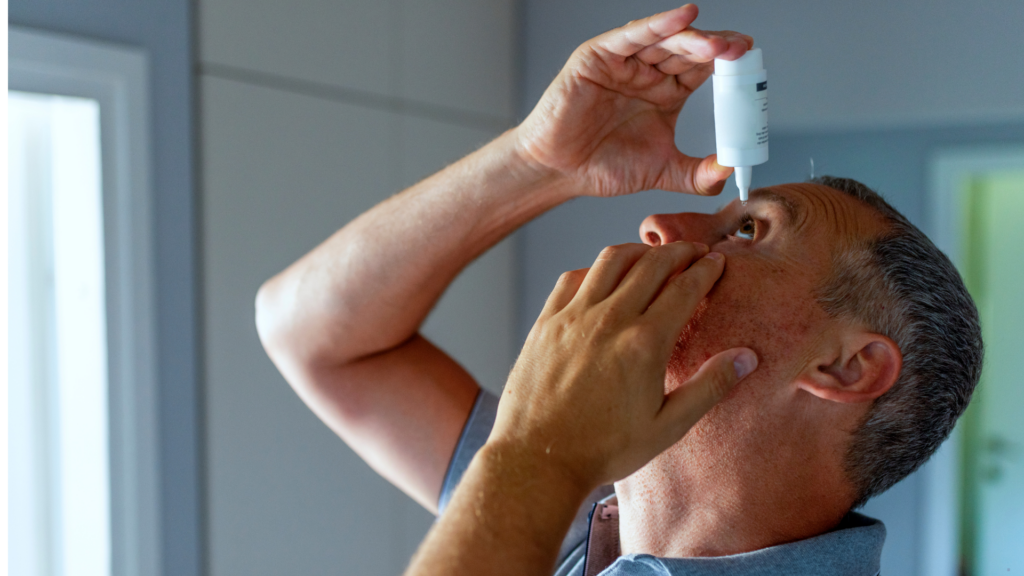
Cancer treatment can affect many parts of the body, including your eyes. Some treatments can cause eye-related side effects like dryness, irritation, or excessive tearing. While these symptoms may not always seem serious, they can be uncomfortable and disruptive to daily life. Dry and watery eyes are common during cancer treatment, but there are ways to manage them and find relief.
How cancer treatments can affect your eyes
Several types of cancer treatments can lead to dry or watery eyes. Chemotherapy, targeted therapies, immunotherapy, and radiation, especially when given near the head or neck, can all interfere with the normal function of the tear glands and oil glands in your eyes. Hormone therapies may also change tear production over time.
Evidence-based guidance powered by NCCN Guidelines®
Personalized treatment plans shaped by the latest oncology standards—tailored to your diagnosis.
Get started
View your personalized treatment plan in the Outcomes4Me app
Use your diagnosis to unlock personalized NCCN Guidelines®-aligned recommendations.
Continue in app
Dry eyes happen when your eyes don’t make enough tears or when the tears evaporate too quickly. Even though this may sound like a minor issue, ongoing dryness can cause burning, redness, blurry vision, sensitivity to light, or the feeling that something is stuck in your eye. Over time, these symptoms can affect your ability to read, work on a screen, drive, or simply feel comfortable day to day, making quality of life an important reason to address them early.
Ways to manage dry eyes
If you’re experiencing dry eyes during treatment, your care team may recommend several simple but effective strategies:
- Preservative-free artificial tears: These eye drops can be used multiple times a day to help keep your eyes lubricated without causing irritation.
- Warm eye compresses: Applying a warm compress to your eyes can help unblock the oil glands along your eyelids, allowing your tears to stay on the eye’s surface longer.
- Eyelid hygiene: Gently cleaning your eyelids can improve gland function and reduce irritation.
- In-office procedures: In some cases, an eye doctor may suggest simple procedures to help your eye glands work more effectively or to reduce tear evaporation.
Check with your care team or an eye specialist before starting anything new.
Watery eyes and cancer treatment
Watery eyes may seem like the opposite problem, but they’re also a common side effect of cancer treatment, particularly with certain chemotherapies and targeted therapies. These treatments can irritate or partially block the tear drainage passages, causing tears to overflow onto your cheeks. If this happens, try to avoid rubbing your eyes, as this can make irritation worse.
In more severe cases, an eye doctor may recommend a procedure to help tears drain more efficiently and reduce constant tearing.
Watery eyes can also be a sign of dry eyes. When the eyes become too dry, they may overproduce tears in an attempt to protect and lubricate the surface. These reflex tears don’t always provide lasting relief, which is why treating the underlying dryness is key.
Managing watery eyes
To help manage watery eyes, your care team may suggest:
- Treating underlying dry eye with artificial tears or warm compresses
- Avoiding eye rubbing and gently blotting tears instead
- Wearing glasses or sunglasses outdoors to protect your eyes from wind and light
- Seeing an eye specialist if tearing becomes persistent or affects your vision
Contact lenses and eye changes
If you wear contact lenses, cancer treatment–related eye changes may make them less comfortable or harder to tolerate. Your care team or eye doctor may recommend switching to glasses temporarily during treatment to help reduce irritation and protect your eye health.
Talk to your care team about eye changes
Eye symptoms are important to share with your cancer care team. Letting your providers know early can help you get the right support, referrals, and treatments to protect your eye health throughout cancer care.
Remember that you can always reach out to an oncology nurse practitioner at Outcomes4Me to help you better understand your diagnosis.
Personalized support for real care decisions
Understand your diagnosis, explore clinical trials, and track symptoms--all in one place.
Get started
Compare treatments, prepare for appointments, and track side effects—all in the app
Built for your diagnosis, Outcomes4Me gives you the tools to make confident, informed decisions—right when you need them.
Continue in app