
We’re currently in the middle of an intense flu season. And while flu season is tough to navigate for everyone, for people living with cancer, it often comes with added concern. Many cancer treatments can weaken the immune system, making it harder for your body to fight infections like the flu. While it’s impossible to eliminate the risk of getting the flu entirely, there are practical steps you can take to help protect yourself.
Why flu season matters more when you have cancer
Your immune system plays a critical role in defending your body against viruses. Chemotherapy, radiation, targeted therapies, immunotherapy, and even the cancer itself can lower white blood cell counts or affect how well your immune system functions. This means:
- You may be more likely to get sick if exposed to the flu
- Symptoms can be more severe or last longer
- Infections may lead to treatment delays or hospital stays
That’s why prevention and immune support are especially important during this time to help you stay as healthy and strong as possible.
Evidence-based guidance powered by NCCN Guidelines®
Personalized treatment plans shaped by the latest oncology standards—tailored to your diagnosis.
Get started
View your personalized treatment plan in the Outcomes4Me app
Use your diagnosis to unlock personalized NCCN Guidelines®-aligned recommendations.
Continue in app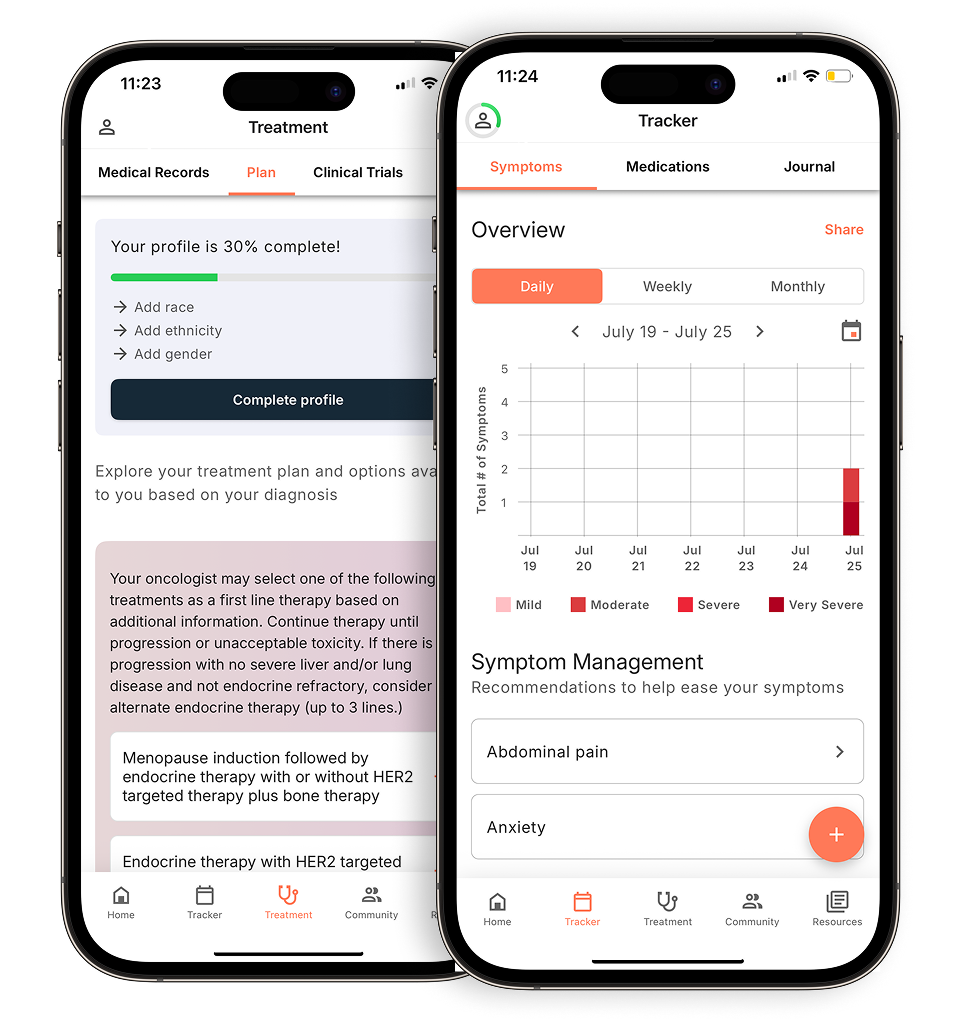
Practical ways to stay safe during flu season
1. Stay up to date on vaccinations
For many cancer patients, the annual flu vaccine is one of the most effective tools for preventing serious illness. It helps your immune system recognize and respond to the virus more quickly if you’re exposed.
- Talk with your oncology team about when to get vaccinated, as timing can matter depending on your treatment.
- Encourage close family members and caregivers to get vaccinated, too. This adds an extra layer of protection.
2. Be mindful about exposure
You don’t need to isolate completely, but being intentional can make a difference.
- Avoid close contact with people who are sick.
- Wear a mask in crowded indoor spaces during peak flu season.
- Consider spacing out social plans if flu cases are high in your community.
Small adjustments can significantly reduce your risk.
3. Practice strong hand and respiratory hygiene
Viruses spread easily through touch and shared surfaces. Wipe down frequently touched surfaces often and make handwashing with soap and water a consistent habit. Be sure to wash your hands for at least 20 seconds or use hand sanitizer when washing isn’t an option.
Avoid touching your face, especially your eyes, nose, and mouth. These simple habits can make a big difference in protecting yourself during this time.
4. Support your immune system through daily habits
While no food or supplement can “boost” immunity overnight, healthy routines can help support your body’s defenses:
- Nutrition: Aim for balanced meals with protein, fruits, vegetables, and whole grains when possible.
- Hydration: Staying well-hydrated helps your body function at its best.
- Sleep: Quality rest supports immune recovery and overall resilience.
- Movement: Gentle activity, as tolerated, can support circulation and well-being.
Always check with your care team before starting supplements, as some may interfere with treatment.
5. Have a plan if you feel sick
Acting early matters. Call your care team immediately if you develop flu-like symptoms such as fever, chills, cough, or body aches. Keep emergency contact numbers handy and ask your doctor ahead of time what symptoms should prompt an urgent call or visit.
Knowing what to do in advance can reduce stress and help you get care quickly if needed.
Why immune support is about more than avoiding illness
Supporting your immune system during flu season isn’t just about avoiding the flu—it’s about protecting your ability to stay on track with treatment, maintain energy, and focus on healing. Every step you take to reduce infection risk is a way of advocating for your health.
Tools like Outcomes4Me can help you stay informed, track symptoms, and access trusted guidance.
Personalized support for real care decisions
Understand your diagnosis, explore clinical trials, and track symptoms--all in one place.
Get started
Compare treatments, prepare for appointments, and track side effects—all in the app
Built for your diagnosis, Outcomes4Me gives you the tools to make confident, informed decisions—right when you need them.
Continue in app