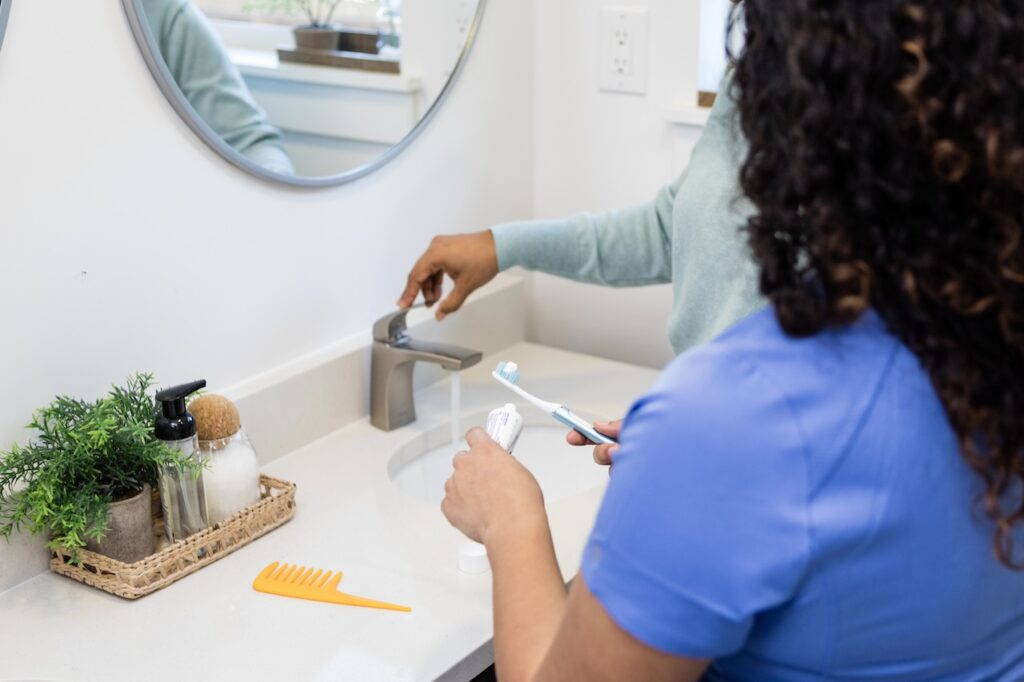
If you’re receiving treatment for non-small cell lung cancer (NSCLC), especially chemotherapy or immunotherapy, you may find yourself dealing with painful mouth sores. These aren’t just annoying, small canker sores. They’re a painful, but common, side effect known medically as oral mucositis. This side effect can make eating, drinking, talking, and swallowing uncomfortable or even painful.
What do mouth sores look like?
Mouth sores from cancer treatment come in many different forms, and can appear both in the soft tissue of the mouth and in the throat:
- Red, swollen areas on the tongue, gums, or inner cheeks
- Blisters, cracks, or open ulcers
- Pain, burning, or sensitivity to temperature and certain foods
- Dryness or a raw feeling in the mouth
What causes mouth sores during NSCLC cancer treatment?
1. Cancer therapies target quickly growing cells
Chemotherapy and some targeted therapies work by stopping fast-growing cancer cells. Unfortunately, the cells lining the inside of your mouth also grow quickly. When treatment damages these healthy cells in the mouth, the mouth lining becomes fragile, inflamed, and more prone to sores.
2. Changes in saliva and bacteria
Cancer treatment can change how much saliva your mouth makes and disrupt the balance of bacteria. This dry mouth and imbalance make your mouth tissues more irritable and vulnerable to irritation and infection.
3. Weakened immune system
During cancer treatment, your body’s ability to fight infection can be weakened. That means even tiny breaks in the mouth lining can lead to painful sores that are slow to heal.
How to manage and cope with mouth sores
Mouth sores make daily life uncomfortable, and can add to an already stressful period during your NSCLC treatment. But, there are practical and simple steps you can take to avoid mouth sores or successfully manage the pain they cause.
Oral hygiene:
Keeping your mouth clean is one of the most important things you can do:
- Brush gently with a soft toothbrush after eating and before bed.
- Rinse your mouth often with a mild, alcohol-free rinse — or a homemade mix of salt + baking soda + warm water.
- Don’t use mouthwash with alcohol — it dries and irritates the tissues.
Eat well:
- Choose soft, moist foods like smoothies, yogurt, mashed potatoes, soups, and ice cream.
- Avoid acidic, spicy, and crunchy foods (chips, citrus fruits, hot sauces) that can sting sore areas. Try a smoothie or milkshake.
- Using a straw can help liquids bypass sore parts of your mouth.
Hydrate:
- Sip water frequently to keep your mouth moist.
- Use lip balm so your lips don’t dry and crack.
- Chew sugar-free gum or suck on ice chips if your care team agrees — the cold can help reduce inflammation in some cases.
Medical interventions:
- Your doctor may prescribe a medicinal rinse often called “magic mouthwash” or other pain-relieving rinses.
- Over-the-counter topical gels can also numb painful spots (check with your care team first).
If mouth sores are making it hard to eat or drink enough, talk to your care team — you may need nutritional support, changes in your regimen, or specific medication to help.
Mouth sores from NSCLC treatment can be tough — physically and emotionally. They often start a few days after treatment and usually improve with time and good care. Remember there are lots of strategies (and people who understand!) that can help you cope. And the best progress comes from working closely with your health care team to tailor a plan that’s right for you.
You’re not alone. Join the Outcomes4Me Community for a safe space to share your story and connect with others who share your diagnosis.