Sarcopenia is a condition where the body experiences progressive loss of muscle mass and strength. Although sarcopenia is often associated with aging, it’s a common and often overlooked complication in people with hepatocellular carcinoma (HCC), a form of liver cancer. Nearly 42% of patients with HCC experience sarcopenia, making it one of the most prevalent conditions affecting physical function, treatment tolerance, and survival.
Ongoing research highlights the importance of lifestyle interventions, specifically exercise, to help combat this side effect.
Why is sarcopenia so common in HCC?
Several factors increase the risk of muscle loss. Treatment side effects, including fatigue and pain can often lead to reduced physical activity, accelerating muscle breakdown. A lack of appetite can also lead to muscle loss.
Biology also plays a role. Research suggests a complex liver–muscle interaction in HCC, where inflammatory signaling and metabolic changes promote muscle wasting. Sarcopenic patients show increased expression of CHI3L1 in skeletal muscle, which activates inflammatory pathways and may contribute to both muscle loss and cancer progression.
Why sarcopenia affects outcomes in HCC
Sarcopenia is a strong predictor of prognosis in hepatocellular carcinoma. Studies show it is associated with lower survival rates after surgery, higher complication rates, increased hospitalizations, and shorter progression-free survival. Sarcopenia has also been linked to reduced response to treatments such as immunotherapy, underscoring its clinical importance.
Despite these risks, sarcopenia is not routinely assessed or incorporated into supportive care plans for people with liver cancer.
How exercise helps people with liver cancer
Exercise is one of the most effective interventions for addressing sarcopenia and physical deconditioning in HCC. Clinical studies show that physical activity can help preserve muscle mass, improve strength and endurance, enhance quality of life, and improve metabolic health. Exercise has also been associated with reductions in hepatic venous pressure and improvements in cardiopulmonary fitness.
Importantly, exercise influences systemic metabolism and immune function, which may support better treatment tolerance and recovery.
Reframing exercise as part of liver cancer care
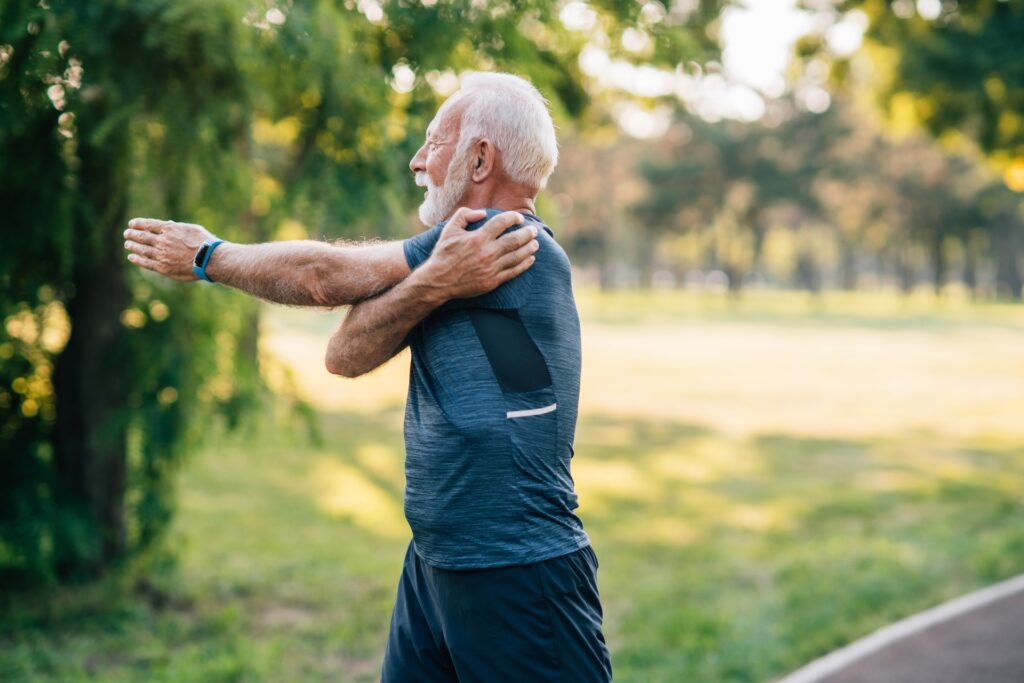
For people with HCC, exercise is not about pushing limits or training like an athlete. Even some physical activity, such as walking, resistance exercises with light weights, or supervised rehabilitation programs, can make a meaningful difference.
What this means for you
As research continues to highlight the strong link between sarcopenia and survival in HCC, exercise can be a key supportive therapy.
Addressing sarcopenia early through physical activity, nutritional support, and regular assessment has the potential to improve quality of life and clinical outcomes for people living with HCC. When discussing your overall HCC treatment plan, be sure to ask your care team if there are exercise and nutritional programs that can support you.
You’re not alone. Join the Outcomes4Me Community for a safe space to share your story and connect with others who share your diagnosis.
Personalized support for real care decisions
Understand your diagnosis, explore clinical trials, and track symptoms--all in one place.
Get started
Compare treatments, prepare for appointments, and track side effects—all in the app
Built for your diagnosis, Outcomes4Me gives you the tools to make confident, informed decisions—right when you need them.
Continue in app