Endometrial (uterine) cancer care is evolving. Beyond stage and grade, doctors are using molecular information to understand how a tumor behaves and how best to treat it. As treatment becomes more personalized, researchers are looking for better ways to monitor disease.
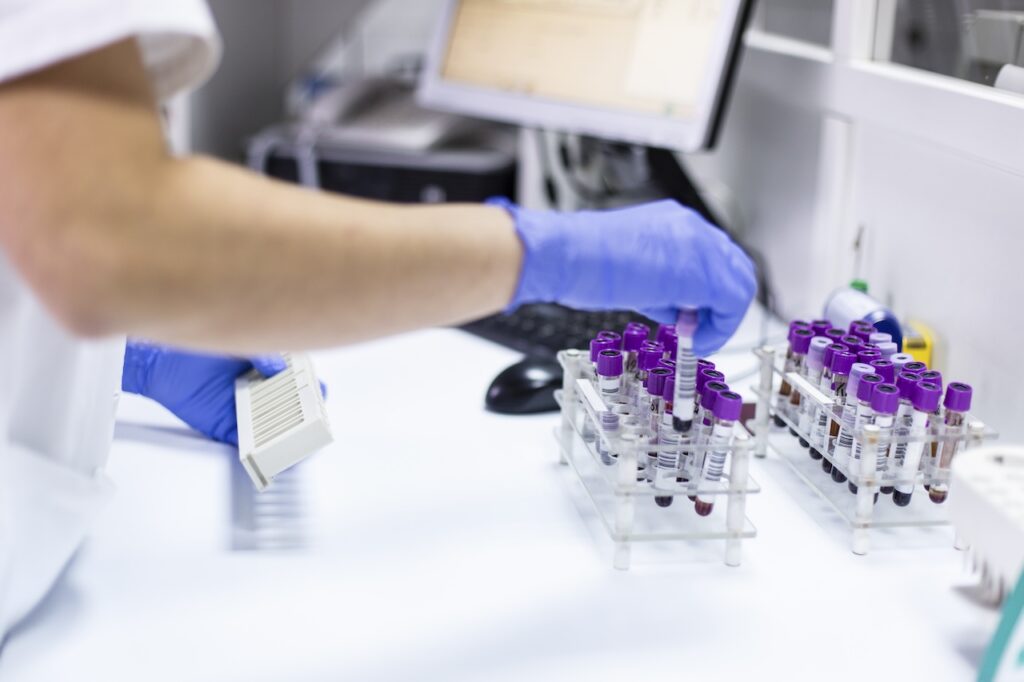
One promising area of research is circulating tumor DNA (ctDNA). ctDNA consists of tiny fragments of cancer-related DNA that tumors release into the bloodstream and can sometimes be detected through a simple blood test. While ctDNA is already being studied and used in other cancer types, its role in endometrial cancer is still emerging. Early research suggests it may offer valuable insight into tumor aggressiveness, treatment response, and the risk of recurrence, raising the possibility of more tailored care with fewer side effects.
Looking at ctDNA after surgery
Unlike other markers, ctDNA has a very short lifespan in the bloodstream. ctDNA can disappear from the blood within about one week after surgery if all visible cancer has been removed. This means testing ctDNA 4 to 8 weeks after surgery may help reveal something imaging can’t always see, like cancer cells that remain hidden in the body.
Patients with detectable ctDNA after treatment have been shown to have a higher risk of recurrence in early studies.
A potential early warning system for recurrence
One of the most promising roles for ctDNA is in monitoring over time.
Some studies suggest ctDNA may detect recurrence earlier than scans or symptoms—and possibly earlier than traditional blood markers. This could allow doctors to act sooner, when treatment options may be more effective. While data comparing ctDNA directly to existing blood tests in endometrial cancer are still limited, early results are encouraging.
How ctDNA could shape more personalized treatment
Looking ahead, ctDNA may help tailor treatment in several ways:
- Escalating treatment if ctDNA remains detectable after surgery
- De-escalating treatment when ctDNA is absent, potentially reducing side effects
- Monitoring response during maintenance therapy
Tracking disease in recurrent or metastatic settings - Early detection for women with Lynch syndrome
This approach helps give the right amount of treatment to the right patient at the right time.
Important limitations to know about
Despite its promise, ctDNA is not yet standard of care in endometrial cancer.
There are real challenges, including:
- No standardized testing protocols
- Lower mutation levels in some tumors, making detection harder
- Tumor heterogeneity (not all cancer cells shed DNA the same way)
- Interference from normal DNA in the bloodstream
- High cost, especially for advanced sequencing tests
Researchers are actively working to make ctDNA testing more accurate, affordable, and accessible.
What this means for patients today
ctDNA represents an exciting step toward more precise, less invasive cancer care, but it’s still largely used in research settings for endometrial (uterine) cancer.
If you’re interested in ctDNA testing, it’s worth asking your care team whether:
- It’s being used in your specific cancer type or stage
- A clinical trial may be available
- Results would change treatment decisions
You’re not alone. Join the Outcomes4Me Community for a safe space to share your story and connect with others who share your diagnosis.
Personalized support for real care decisions
Understand your diagnosis, explore clinical trials, and track symptoms--all in one place.
Get started
Compare treatments, prepare for appointments, and track side effects—all in the app
Built for your diagnosis, Outcomes4Me gives you the tools to make confident, informed decisions—right when you need them.
Continue in app