
A cancer diagnosis doesn’t just happen to one person; it sends ripples through an entire family. As a caregiver, you face your own unique set of challenges and fears. It’s easy to feel like you have to be the strong one all the time, but you deserve a space to be vulnerable, too. But where do you find that? This guide is about more than just finding online cancer support; it’s about learning how to participate in trusted online cancer communities for caregivers. We’ll help you find a safe place to connect with others who understand the journey, on your own terms.
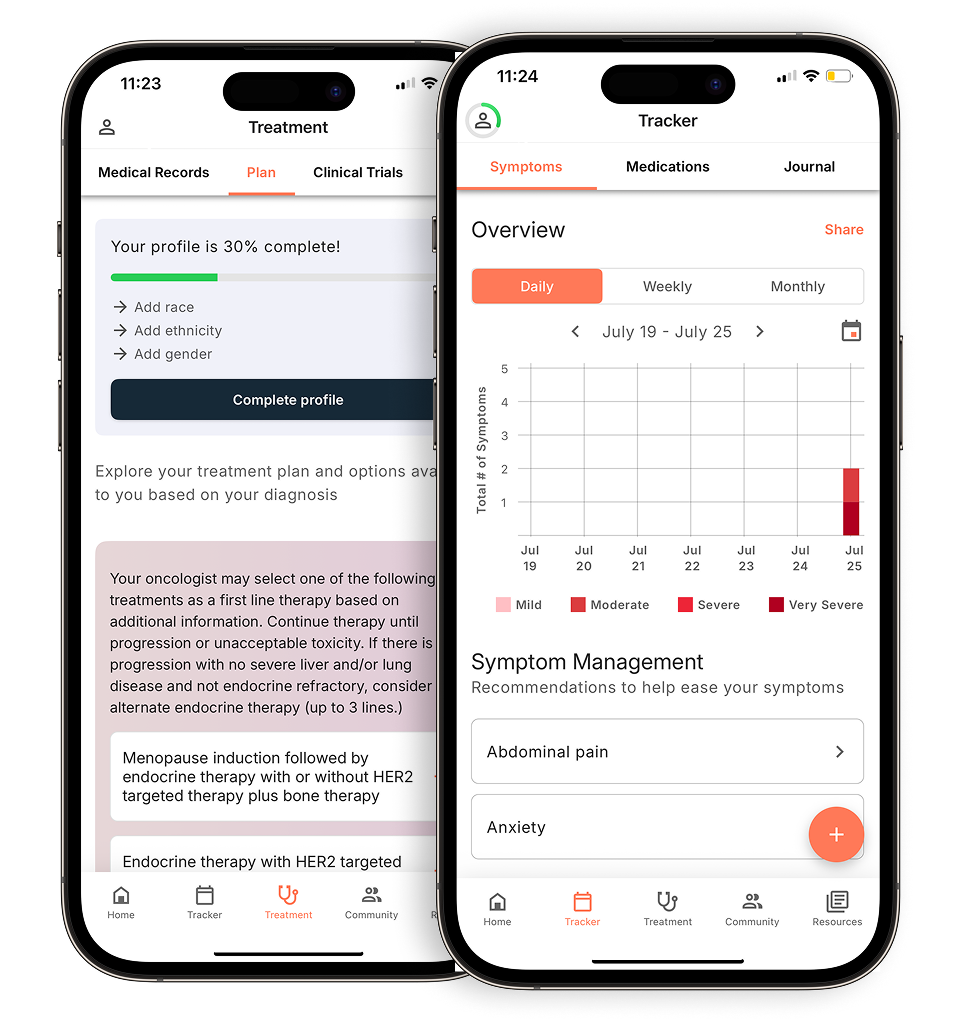
View your personalized treatment plan in the Outcomes4Me app
Use your diagnosis to unlock personalized NCCN Guidelines®-aligned recommendations.
Key Takeaways
- Find your people by choosing a specific group: You don’t have to settle for a general forum. Look for communities dedicated to your specific diagnosis, age group, or even for caregivers to connect with others on a similar path.
- Get more than just emotional support: While feeling less alone is a huge benefit, these groups are also a great place to exchange practical, real-world tips for managing the daily challenges of living with cancer.
- Go at your own pace and prioritize safety: There’s no pressure to share right away—it’s okay to just listen in. Remember to treat these groups as a source of community support and always bring medical questions to your healthcare team.
Understanding the role of a cancer caregiver
Stepping into the role of a caregiver can feel like starting a new job you never applied for. It’s a position filled with love and purpose, but it also comes with a steep learning curve and a long list of responsibilities that can change from one day to the next. Whether you’re a partner, family member, or close friend, understanding the scope of this role is the first step toward managing it without losing yourself in the process. It’s not just about showing up; it’s about learning how to provide meaningful support while also taking care of your own well-being. This journey is a marathon, not a sprint, and knowing what to expect can make all the difference.
What does a caregiver do?
At its core, a caregiver is someone who provides unpaid physical and emotional support to a person with cancer. This can look different for everyone. One day, you might be a chauffeur, driving to and from appointments. The next, you might be a personal chef, preparing meals that are easy on the stomach. You could also be a financial administrator, helping to sort through medical bills, or a communications director, updating friends and family. Beyond these practical tasks, you are a source of emotional stability—a hand to hold, an ear to listen, and a shoulder to cry on. It’s a role that requires immense flexibility and compassion, often all at once.
Setting limits and managing responsibilities
Caregiving is a big job, and as the Canadian Cancer Society notes, it’s usually not something you plan for. Because it can last for months or even years, it’s essential to be honest with yourself about what you can realistically handle. Burnout is a real risk when you’re pouring so much of yourself into someone else. Take a moment to think about your own limits. Are you comfortable helping with personal care? How much time can you commit without it affecting your job or other family duties? Setting boundaries isn’t selfish; it’s a necessary step to ensure you can provide sustainable, long-term support without sacrificing your own health.
Different ways to provide care
Remember, you don’t have to do this alone. Think about building a caregiving team. You can share duties with other family members or friends, letting each person contribute based on their strengths. Maybe your sister is great at organizing paperwork, while a neighbor is happy to help with grocery shopping. This approach, sometimes called shared caregiving, makes the workload more manageable for everyone. You can also look into professional home care services. A visiting nurse or support worker can help with tasks like giving medications or bathing, and they can also teach you how to handle certain caregiving duties safely and confidently.
How does online cancer support actually work?
Finding your footing in an online support group can feel a little uncertain at first, but most are designed to be welcoming and easy to join. Think of them as dedicated spaces where you can connect with others who truly get it, all from the comfort of your own home. These communities work by creating a safe environment for sharing experiences, asking questions, and offering mutual support. Whether you’re looking for practical advice on managing side effects or just need to talk to someone who understands, these groups provide a valuable connection. They operate on different platforms—from private social media groups to dedicated message boards—but the goal is always the same: to help you feel less alone on your cancer journey.
What it’s like to join an online support group
When you join an online support group, you’ll likely find a community that communicates through a message board or forum rather than a live chat. This format gives you the space to read and respond on your own time, without the pressure of an instant conversation. Many groups are password-protected to ensure privacy and are often guided by professionals, like oncology social workers, who help facilitate supportive and helpful discussions. You can expect to find conversations on a wide range of topics, from treatment experiences and symptom management to the emotional ups and downs of living with cancer. It’s a place to both receive and offer support.
How to join in on your own terms
There’s no right or wrong way to engage in an online support group. It’s perfectly okay to just read posts for a while until you feel comfortable sharing. When you’re ready, you can introduce yourself, ask a question, or respond to someone else’s post. The key is to participate at your own pace. You decide what you want to share and when. Remember, your presence alone is a contribution to the community. Taking that first step to join an online group can be a powerful way to connect with others who share similar experiences, helping you feel understood and supported.
Clearing up common myths about online support
One common myth is that online groups are only for emotional support. While they are a wonderful place to share feelings, they are also valuable sources of practical information and shared knowledge. Members often exchange tips on everything from coping with treatment side effects to communicating with their care team. Another concern is the reliability of information. While it’s true you should be cautious about online cancer advice, reputable groups are often moderated by professionals who ensure discussions are safe and accurate. These communities are built on shared experience, not unqualified medical advice.
What kinds of online cancer support can you find?
The great thing about online support is the variety. You can find a community that feels just right for you, no matter your diagnosis, background, or role in the cancer journey. It’s all about finding a space where you feel seen and understood. From groups focused on a specific type of cancer to communities for caregivers, there are many ways to connect with people who just get it. Let’s look at some of the different kinds of support you can find online.
Connecting with others who share your diagnosis
Connecting with people who have the same diagnosis can be incredibly comforting. They understand the specific treatments, side effects, and emotional ups and downs you might be experiencing. Many organizations offer dedicated spaces for different cancer types, such as breast cancer, lung cancer, or blood cancers. These groups provide a place to share experiences and practical tips with others on a similar path. For example, CancerCare offers support groups that are tailored to specific diagnoses, helping you find people who truly understand what you’re going through. It’s a chance to ask questions and share stories in a safe, supportive environment.
Finding support as a caregiver or family member
Being a caregiver, family member, or friend of someone with cancer comes with its own unique challenges. Your feelings and needs are valid, and you deserve support, too. Many online communities are created specifically for the people who make up a patient’s support system. You can find groups for spouses and partners, parents caring for an adult child, or young adult caregivers. These spaces offer a chance to connect with others who understand the caregiver role. It’s a place to share your own experiences, learn coping strategies, and find strength without feeling like you’re taking the spotlight away from your loved one.
A space for young adults with cancer to connect
A cancer diagnosis can feel particularly isolating when you’re a young adult. You might be dealing with concerns about your career, relationships, or future plans that feel different from those of older patients. That’s why finding a community of your peers is so important. There are online cancer support groups designed specifically for young adults, creating a space where you can talk openly about the issues that matter most to you. Connecting with others who are at a similar life stage can help you feel less alone and more empowered as you handle treatment and life after.
Finding culturally specific and multilingual support
Feeling truly understood sometimes means connecting with people who share your cultural background or speak your language. Support is most effective when you can be your authentic self. Recognizing this, some organizations offer culturally specific or multilingual support groups. For instance, you can find groups conducted entirely in Spanish or communities designed for specific cultural groups, like LGBTQ+ individuals. These tailored spaces ensure that you can express yourself freely and receive support that resonates with your personal experiences and values. It’s about finding a community where you feel completely at home.
Choosing between peer-led and professional-led groups
As you look for a group, you’ll notice that some are led by peers while others are guided by professionals. Neither one is better—it just depends on what you’re looking for. Peer-led groups offer a casual environment to connect with others who have firsthand experience with cancer. In contrast, many organizations offer free professional support where groups are led by trained oncology social workers, nurses, or health educators. These leaders can provide expert guidance, facilitate conversations, and ensure the information shared is reliable. Think about whether you’d prefer a structured, professionally guided conversation or a more informal chat with peers.
Specific examples of online support platforms
Now that you know what to look for, where can you find these communities? Several trusted organizations offer free, high-quality online support. These platforms are designed to connect you with others who understand the cancer journey, whether you’re a patient, caregiver, or loved one. Each one has a slightly different focus, so you can find the one that feels like the best fit for you. Here are a few well-regarded options to get you started.
American Cancer Society (ACS)
The American Cancer Society is a great starting point for anyone affected by cancer. They offer a wide range of services that provide not just information but also crucial emotional support for patients, survivors, and their families. Their online communities are designed to help you connect with others who are going through similar experiences. Whether you’re looking for a place to ask questions, share your story, or simply listen, the ACS provides a safe and supportive environment to help you feel less isolated on your journey.
Cancer Support Community
The Cancer Support Community hosts a free platform called MyLifeLine, which is an online community for anyone touched by cancer, including patients, caregivers, and loved ones. The main goal of this platform is to create connections that can help reduce the stress, anxiety, and loneliness that often come with a diagnosis. It’s a space where you can build your own support network and share your journey with people who truly understand. By fostering these connections, MyLifeLine aims to make the cancer experience feel more manageable and less isolating for everyone involved.
CancerCare
If you’re looking for a more structured support system, CancerCare offers support groups led by trained oncology social workers. This professional guidance ensures that conversations are supportive, safe, and helpful. They have groups for people with specific cancer diagnoses, for caregivers, and even for those who are grieving the loss of a loved one. Having an expert facilitator can be incredibly reassuring, as they can help guide discussions and provide reliable support. It’s a great option if you prefer a professionally-led environment for sharing and learning.
Other digital tools for caregivers
Beyond discussion forums and support groups, there are many other digital tools that can make the day-to-day logistics of caregiving a little easier. These resources are designed to help you communicate with your support network, organize practical help, and access reliable information on the go. Managing care involves a lot of moving parts, and these tools can help you streamline tasks so you can focus more on your loved one. Let’s look at a few practical digital aids that can support you in your caregiving role.
Personal web pages for updates
Keeping friends and family in the loop can be emotionally draining. Instead of sending individual texts and emails, you can use a free tool like CaringBridge to create a personal, private web page. This allows you to post health updates in one central place for everyone to see. It’s a simple way to share information on your own terms and receive messages of support without feeling overwhelmed by constant communication. The American Cancer Society even partners with them, highlighting how useful these sites can be for staying connected with your support system.
Mobile apps for information and support
Mobile apps put information and support right at your fingertips. For example, the American Cancer Society’s ACS CARES app provides personalized resources and programs for patients and caregivers. Similarly, the Outcomes4Me app helps you make sense of complex medical information by providing personalized treatment options based on your specific diagnosis, all aligned with expert NCCN Guidelines®. Having access to evidence-based, easy-to-understand information can empower you to have more informed conversations with your care team and feel more in control of the journey.
Practical help calendars
When people ask, “How can I help?” it can be hard to know what to say. Digital calendars can make it easy to organize practical support. For instance, the MyLifeLine platform from the Cancer Support Community includes a ‘Helping Calendar’ feature. You can use it to schedule volunteers for specific tasks like bringing over a meal, providing a ride to an appointment, or helping with childcare. This takes the guesswork out of asking for and receiving help, allowing your friends and family to sign up for tasks that work for them. It’s a simple way to coordinate the practical support you need.
Who can join an online cancer support group?
If you’ve been affected by cancer, chances are there’s an online support group for you. These communities are designed to be inclusive spaces for people from all walks of life who share a common experience. You don’t need a special referral or qualification to join; the main requirement is a desire to connect with others who understand. Whether you are the person with the diagnosis, a close family member, or a friend providing support, these groups are built to welcome you.
The beauty of online support is its flexibility. It removes many of the barriers that can make it hard to get help, like distance, transportation, or a demanding schedule. You can find groups that are open to anyone impacted by cancer, as well as more specific communities tailored to a certain diagnosis, age group, or role (like a caregiver or a spouse). The goal is to help you find a place where you feel seen and understood. Most groups have clear guidelines to ensure conversations are respectful and private, creating a safe environment for you to share and listen.
Are these groups for patients, families, or both?
The short answer is: both. While many groups are created specifically for people with a cancer diagnosis, the circle of support extends much further. A diagnosis can impact entire families and friend groups, which is why you’ll find many communities dedicated to caregivers, spouses, children, and loved ones. These groups provide a much-needed space for them to share their own unique challenges and feelings.
Some groups are mixed, allowing patients and their families to join together, while others are separate to allow for more focused conversations. Organizations recognize how crucial support for caregivers is, and they create resources specifically for them. No matter your relationship to cancer, you can find a community of people who share your experience.
The flexibility of joining from anywhere, anytime
One of the biggest advantages of online support is that it meets you where you are. You can participate from the comfort of your own home—or anywhere you have an internet connection. This accessibility is especially helpful when you’re managing treatment side effects, feeling fatigued, or simply don’t have the energy to travel to an in-person meeting.
Online support groups are often available around the clock, so you can log in whenever it works for you, whether that’s early in the morning or late at night. This flexibility allows you to seek connection on your own terms and schedule, ensuring that support is always within reach when you need it most, without adding another appointment to your calendar.
How your privacy is protected in online groups
It’s completely normal to have questions about privacy when thinking about joining an online group. Reputable organizations take this very seriously and have measures in place to create a safe and confidential environment. Unlike public social media platforms, these groups are typically hosted on private, password-protected websites or forums. This means only registered members can access the conversations.
Many of these private online communities are also moderated by trained professionals, like oncology social workers, who ensure that discussions remain supportive and respectful. You are always in control of how much you share. You can choose to listen, read along, or participate actively when you feel ready. The goal is to provide a secure space where you can connect with others without worrying about your privacy.
How can an online support group help?
When you’re going through cancer, it’s natural to lean on friends and family. But sometimes, the most meaningful support comes from people who have walked a similar path. This is where an online support group can make a real difference. It’s a space to connect with others who truly understand the day-to-day realities of a cancer diagnosis, from managing treatment side effects to handling the emotional ups and downs.
These groups are much more than just a place to talk about feelings. They are active communities where people share practical advice, exchange helpful resources, and offer encouragement. Whether you’re looking for tips on what to eat when you have no appetite, wondering how others told their kids about their diagnosis, or just need to vent on a tough day, a support group provides a safe and understanding audience. It’s a way to build a new circle of support that complements the care you receive from your medical team and loved ones, helping you feel more empowered and less alone on your journey.
Finding an emotional connection so you feel less alone
One of the biggest challenges of a cancer diagnosis can be the feeling of isolation. Even with a loving support system, it can feel like no one truly understands what you’re experiencing. An online support group changes that. It connects you with people who get it—the waiting for test results, the anxiety before a scan, and the unique physical and emotional toll of treatment.
Sharing your story in a safe space with others who have similar experiences can be incredibly validating. It reminds you that you aren’t the only one feeling this way. This shared understanding builds a powerful sense of community and can help you develop resilience as you move through your treatment and beyond.
Sharing helpful information and coping strategies
While your medical team is your go-to for medical advice, fellow patients can be an amazing source of practical, lived experience. Online support groups are often a place where members share tips and strategies for coping with the daily challenges of cancer. You might learn about ways to manage nausea, find recommendations for comfortable clothing after surgery, or get ideas for talking with your employer about your needs.
These groups meet important informational needs alongside providing emotional comfort. Hearing how others have handled specific situations can give you new ideas to try and help you feel more in control. It’s a way to gather collective wisdom that can make your own journey a little smoother.
Learn from others who understand what you’re going through
There is a unique comfort in learning from someone who has been where you are now. In an online support group, you can hear from people at all different stages of their cancer experience. Someone who has completed a treatment you’re about to start can offer a realistic preview of what to expect, while someone newly diagnosed might ask a question you’ve also been wondering about.
Many online cancer communities are guided by trained professionals, like oncology social workers, who help ensure the conversation is supportive and constructive. This structure allows you to learn from the personal stories of others in a safe and well-managed environment, giving you perspective and hope.
Making support fit into your life
Life with cancer is often unpredictable and exhausting. Between appointments, treatment, and managing side effects, finding the time and energy for an in-person meeting can be difficult. Online support groups offer incredible flexibility, allowing you to connect whenever and wherever works for you.
You can log on late at night when you can’t sleep, check in from the waiting room during an appointment, or read through messages on a day you don’t feel well enough to leave the house. This 24/7 accessibility means that support is always available, fitting into your life instead of requiring you to schedule your life around it.
A dedicated space for caregivers and family to connect
Cancer doesn’t just affect the person who is diagnosed; it impacts everyone who loves them. Caregivers, partners, and family members face their own unique set of challenges, from emotional stress to the logistics of managing care. Many online platforms have dedicated support communities for caregivers where they can connect with others in the same role.
These groups provide a much-needed outlet for caregivers to share their own fears and frustrations without feeling like they are burdening their loved one. It’s a place for them to ask for advice, learn from the experiences of other caregivers, and find the strength they need to continue providing support.
Financial support for home care
Arranging for care at home can bring peace of mind, but it also brings up practical questions about cost. It’s completely normal to be concerned about how to pay for these services. The good news is that you don’t have to figure it all out on your own. There are several avenues for financial assistance that can help make home care more manageable. Understanding your options, from federal programs to private insurance, is the first step toward getting the support you need without adding financial strain. Let’s start by looking at one of the most common resources: Medicare.
Understanding Medicare coverage
If you have Medicare, you may be able to get help paying for certain types of home health care. Medicare is the federal health insurance program for people who are 65 or older, as well as for some younger individuals with disabilities. Both Medicare Part A and Part B can cover specific home health care services that are considered medically necessary to treat your illness or injury. The goal of this coverage is to support your recovery, help you manage symptoms, and improve your quality of life while you remain in the comfort of your own home. However, there are specific rules about who qualifies and what services are included.
Eligibility rules for home health care
To use Medicare benefits for home health care, you need to meet a few key requirements. First, your doctor must determine that you need medical care at home and create an official plan of care for you. Second, you must be considered “homebound,” which means it is extremely difficult for you to leave your home without help because of your illness or injury. This doesn’t mean you can never leave, but trips should be infrequent and require assistance. Finally, the care you need must be skilled, part-time care, meaning it requires the skills of a qualified health professional like a nurse or therapist.
What Medicare does and does not cover
It’s important to know exactly what services Medicare will and will not pay for. Covered services typically include part-time skilled nursing care, physical therapy, occupational therapy, and speech-language pathology. It may also cover home health aide services, like help with bathing and dressing, but only if you are also receiving skilled care. What Medicare generally does not cover is 24-hour-a-day care at home, meal delivery services, or homemaker services like cleaning and shopping. Understanding these distinctions can help you plan more effectively for any additional support you might need.
How to feel comfortable and safe in an online group
Joining an online community can feel like walking into a room full of strangers. It’s natural to feel a little hesitant, especially when you’re sharing something as personal as your experience with cancer. The good news is that these groups are designed to be welcoming spaces. With a few simple strategies, you can find a community where you feel secure, understood, and ready to connect with others who get it. The key is to move at your own pace and find a group that aligns with your needs for privacy, connection, and reliable support.
Feeling nervous? Here’s how to take the first step
It’s completely normal to feel a bit anxious before your first post or comment. Remember, there’s no pressure to share everything at once, or even to share at all right away. A great way to start is by simply observing. Spend some time reading through the posts and conversations to get a feel for the community’s tone and dynamic. You might find that just reading other people’s stories helps you feel less alone. When you’re ready, you can start with a small step, like reacting to a post or leaving a short, supportive comment for someone else. Taking that first step to join an online support group can be a valuable part of your journey.
How to know if the information you’re reading is reliable
Online groups are incredible for emotional support and sharing personal experiences, but they aren’t a substitute for professional medical advice. You’ll find a lot of information and personal anecdotes, and it’s important to approach them thoughtfully. Not all online cancer advice is safe, and misinformation can cause unnecessary stress. A good rule of thumb is to use the group for community and connection, but always rely on your healthcare team for accurate medical information. If you read about a treatment, a side effect management tip, or a clinical trial that interests you, bring it to your doctor to discuss if it’s right for you.
How to find a group that feels right for you
Just like in real life, different groups have different personalities. Finding one where you feel comfortable is key to having a positive experience. Some groups are large and active, while others are smaller and more intimate. You might look for a community dedicated to your specific diagnosis, age group, or background. Don’t be discouraged if the first group you join doesn’t feel quite right. It’s perfectly okay to explore a few different options until you find the right group that feels like home. The goal is to find a space where you feel seen, heard, and supported.
A simple checklist for joining your first group safely
Your privacy and safety are top priorities. Reputable online support groups understand this and have measures in place to protect their members. Many communities use password-protected platforms and are led by professional moderators, like oncology social workers, who ensure conversations remain respectful and supportive. When you create your profile, consider using a username that doesn’t include your full name or other identifying information. As you begin to share, be mindful of the personal details you disclose. You are always in control of how much or how little you want to share with the group.
How to invite a hesitant loved one to join
If you have a family member or friend who you think could benefit from a support group, it can be hard to know how to bring it up. They might be feeling overwhelmed or private about their experience. The best approach is a gentle one. You can explain that support groups meet regularly to bring together people with common concerns, offering a sense of community and comfort. Share a link to a group you think might be a good fit and let them know you’re there to talk about it, without any pressure. The decision to join is theirs, but knowing they have your support can make all the difference.
Related Articles
- Safely join online cancer discussions: a guide
- Cancer support group online chat: a 2026 guide
- Support groups for coping with a parent’s cancer diagnosis | Outcomes4Me Community
View your personalized treatment plan in the Outcomes4Me app
Use your diagnosis to unlock personalized NCCN Guidelines®-aligned recommendations.
Frequently Asked Questions
How do I find a reputable online support group? A great place to start is by asking your hospital’s oncology social worker or nurse navigator for recommendations. They often have a list of trusted resources. You can also look at the websites of major cancer organizations, as many of them host their own private and professionally moderated online communities for patients and caregivers.
Do I have to share my own story to participate? Not at all. It is perfectly fine to join a group and simply read the conversations for as long as you like. Many people find comfort just by seeing that others have similar questions and feelings. There is no pressure to share until you feel ready, and your presence alone contributes to the community.
Are online support groups the same as therapy? While they can be very therapeutic, online support groups are not a replacement for professional therapy. These groups are centered on peer support and shared experiences, connecting you with others who understand your journey. Therapy, on the other hand, is a clinical relationship with a licensed mental health professional who can help you work through specific emotional and psychological challenges. The two can work very well together.
What if I join a group and it doesn’t feel like the right fit for me? It’s completely okay if the first group you try isn’t the perfect match. Every community has its own unique dynamic and personality. If a group doesn’t feel supportive or comfortable for you, don’t be discouraged. You can simply leave that group and explore other options until you find a community where you feel truly at home.
How much does it cost to join an online support group? Many of the best online support groups are offered completely free of charge. Non-profit organizations, cancer centers, and advocacy groups often provide these communities as part of their mission to support patients and their families. You should not have to pay to find a safe and supportive place to connect with others.