
A breast cancer diagnosis can make you feel like a passenger in your own life, with so much happening so quickly. But being an active, informed participant in your care is one of the most powerful things you can do. Your phone, an object you already carry everywhere, can become your greatest tool for self-advocacy. It can help you log symptoms to share with your doctor, understand your treatment options, and keep your questions organized for your next appointment. Finding the right app to manage breast cancer treatment is about more than just convenience; it’s about empowering yourself with information and tools to feel more in command of your health journey.
View your personalized treatment plan in the Outcomes4Me app
Use your diagnosis to unlock personalized NCCN Guidelines®-aligned recommendations.
Key Takeaways
- Organize Everything in One Place: Use an app to track appointments, medications, and symptoms. This simplifies your routine, frees up mental energy, and helps you feel more prepared for conversations with your doctor.
- Choose Apps with Tailored, Trustworthy Info: The best apps provide guidance specific to your diagnosis and treatment stage. This empowers you to understand your options and have more confident discussions with your care team.
- Don’t Overlook Emotional Support: A cancer journey is more than just medical logistics. Look for an app that offers a supportive community or resources to help you manage the emotional side of your experience.
The Best Apps for Managing Breast Cancer
When you’re dealing with a breast cancer diagnosis, it can feel like you’re juggling a million things at once. From tracking appointments and medications to understanding your treatment options and managing side effects, staying organized is a huge challenge. It’s completely normal to feel overwhelmed by the sheer volume of information and tasks that suddenly become part of your daily life. This is where technology can be a genuinely helpful ally. Your phone, something you already use every day, can become a powerful tool to help you manage it all and feel more in control.
The right app can bring clarity and a sense of command back into your hands. Instead of relying on scattered notes or memory alone, you can have a centralized place to keep everything organized. These apps are designed to reduce your mental load, allowing you to focus more of your energy on your health and well-being. They can help you remember to take your medications on time, keep a log of your symptoms to share with your doctor, and access reliable information when you need it most. Think of them as a digital support system, available 24/7, that helps you become a more active participant in your own care. Here are some of the best apps designed to support you, each with a unique focus to fit your specific needs during your treatment journey.
Outcomes4Me: For Personalized, AI-Powered Guidance
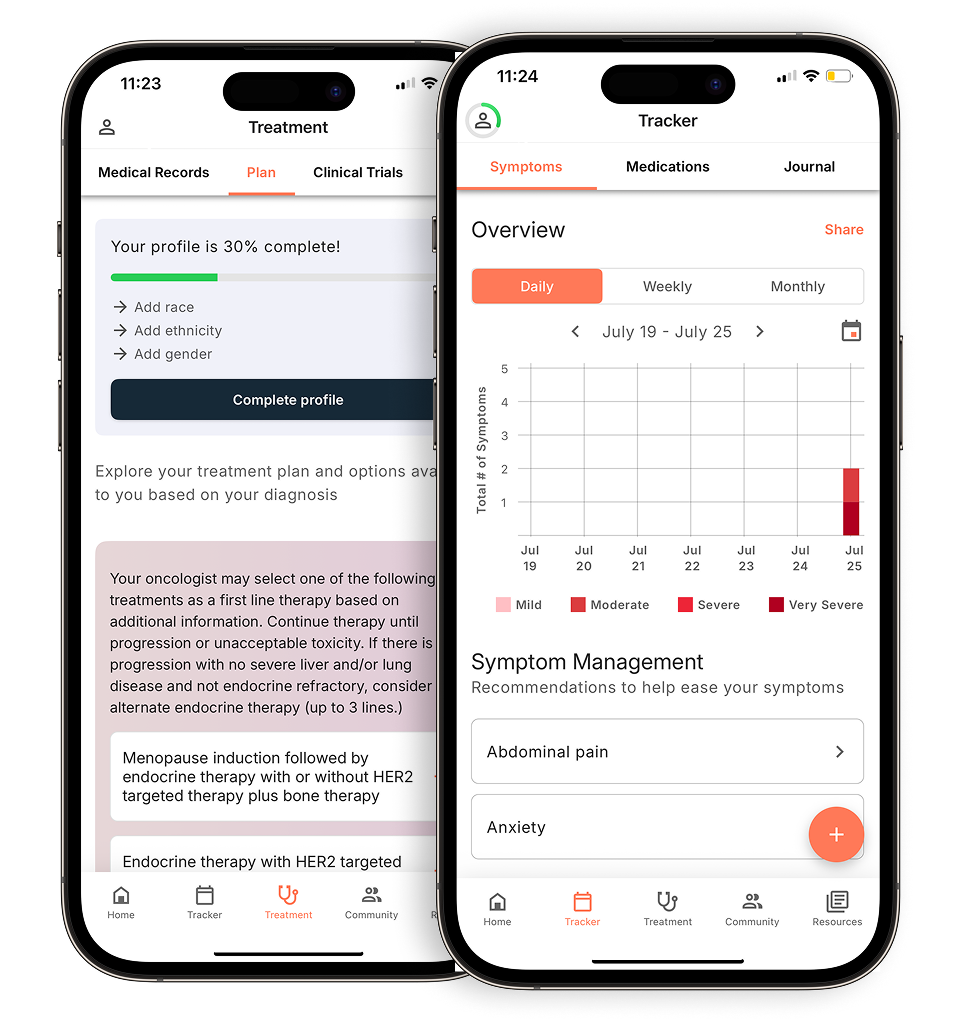
If you’re looking for guidance that’s tailored specifically to you, the Outcomes4Me app is an incredible resource. It uses your unique medical records to provide personalized information about your diagnosis, including potential treatment options, clinical trials you may be eligible for, and relevant genetic testing. The platform helps you understand the latest evidence-based guidelines so you can have more informed conversations with your care team. Think of it as a smart, supportive partner that helps you make sense of your options and feel more empowered at every step of your treatment.
Breast Advocate® App: For Surgery and Reconstruction Support
Making decisions about surgery and reconstruction can be one of the most complex parts of the breast cancer journey. The Breast Advocate® App was created by doctors and patients to give you clear, reliable information for these specific choices. It offers personalized advice to help you understand your surgical options and what to expect with breast reconstruction. The app acts as a guide, providing the information you need to feel confident when discussing plans with your surgeon. It’s a free tool designed to ensure you have access to expert knowledge when you need it most.
Dr. K’s Breast Checker: To Track Self-Exams
Regular self-exams are a key part of breast health, both during and after treatment. It’s easy to forget, but consistency is important. Dr. K’s Breast Checker is a simple yet effective tool designed to help you stay on track. The app sends you monthly reminders to perform a self-exam and gives you a place to log any changes or concerns you notice. This makes it easier to monitor your health and provides you with a clear record to share with your doctor if anything seems different.
Med Helper-Pro Pill Reminder: To Manage Medications
A typical treatment plan involves multiple medications, each with its own schedule. The Med Helper-Pro Pill Reminder app helps you manage this complexity. You can input all your prescriptions, and it will send you reminders when it’s time to take a dose. It also tracks your supply and lets you know when you’re running low so you can get refills on time. Beyond medications, you can add your doctor’s appointments to the calendar, keeping all your essential health-related tasks organized in one convenient place.
Becca by Breast Cancer Now: For All-Around Support
Life with and after breast cancer brings its own set of challenges, and having a source of trusted support can make all the difference. Becca, an app from Breast Cancer Now, is designed to provide just that. It offers a steady stream of reliable information, practical tips, and personal stories to help you adjust to life after a primary breast cancer diagnosis. Whether you’re looking for information on diet and exercise, managing side effects, or simply want to read about others’ experiences, Becca provides a supportive space to find what you need.
ACS CARES® App: To Connect with Professionals
A cancer journey often means you need access to a wide range of resources, from information to emotional support. The ACS CARES® app from the American Cancer Society connects you with personalized resources and support systems. The app helps you find information relevant to your situation and can connect you with trained cancer specialists and community programs. It’s a great tool for getting your questions answered by credible sources and finding the practical and emotional support you need to manage your experience with confidence.
What to Look for in a Breast Cancer App
With so many apps available, it can be tough to figure out which one will actually make a difference in your day-to-day life. The best apps go beyond simple information and become a true partner in your care. They help you stay organized, feel informed, and connect with others who understand what you’re going through. When you’re evaluating your options, think about what you need most right now. Is it help with managing your medication schedule? A place to track symptoms? Or maybe a connection to a community that gets it? The goal is to find a tool that simplifies your routine and gives you a greater sense of control over your health journey, not one that adds another task to your plate. Look for an app that feels like it was designed with you in mind, offering features that truly support you where you are.
Personalized Treatment Info and Clinical Trial Matches
Your breast cancer journey is unique to you, so the information you receive should be, too. A top-tier app won’t just give you generic articles; it will provide guidance tailored to your specific diagnosis, stage, and treatment history. Some apps use your health information to offer personalized resources, including potential treatment options and even matches to clinical trials you may be eligible for. This level of personalization can help you have more informed conversations with your doctor and feel confident that you’re exploring every available path. It’s like having a smart, supportive guide right in your pocket, helping you make sense of the complex information coming your way.
Medication and Side Effect Trackers
Managing medications, appointments, and treatment schedules can feel like a full-time job. A great app can act as your personal assistant, helping you keep everything straight. Look for features that let you set reminders for when to take your pills and when you need refills. The ability to track side effects is just as important. By noting when a side effect occurs and its severity, you create a valuable log to share with your healthcare team. This helps them understand how the treatment is affecting you and make adjustments if needed. Having a reliable system to manage your medicines can reduce a major source of stress and help you stay on track with your care plan.
A Place to Log Symptoms and Health Data
Some days are better than others, and keeping a record of how you’re feeling is incredibly useful. An app with a symptom logger allows you to track everything from fatigue and nausea to your mood and energy levels. This isn’t just for your own reference; it’s powerful data to bring to your next doctor’s appointment. Instead of trying to remember how you felt three weeks ago, you can show your doctor a clear record. This helps you communicate more effectively about your experience and can reveal patterns that might otherwise go unnoticed. It’s a simple way to take an active role in your care and ensure your concerns are heard.
Trustworthy Educational Resources
When you have questions about your diagnosis or treatment, you need answers you can trust. The internet is full of information, but not all of it is accurate or relevant to your situation. A high-quality breast cancer app will provide a library of reliable, expert-vetted educational materials. This means you can find information about managing side effects, understanding test results, or exploring wellness strategies without worrying about misinformation. Look for apps that source their content from reputable organizations like the National Cancer Institute. Having a go-to source for credible information can reduce anxiety and help you feel more knowledgeable about your health.
A Supportive Community
You don’t have to go through this alone. While friends and family are essential, there’s a unique comfort in connecting with people who truly understand what you’re experiencing. Many apps offer a community feature where you can share stories, ask questions, and offer support to others on a similar path. Some even connect you with trained volunteers who have been through a cancer diagnosis themselves. Finding your people can make a world of difference in your emotional well-being. These support systems provide a safe space to be vulnerable, celebrate small wins, and find strength in shared experiences.
Strong Privacy and Data Security
Your health information is incredibly personal, and it’s essential to know it’s being protected. Before you start entering your medical history into an app, take a moment to understand its privacy policy. A trustworthy app will be transparent about how it collects, uses, and secures your data. Look for clear statements about data encryption and whether your information will be shared with third parties. You should feel confident that your sensitive details are safe. Protecting your digital health privacy is just as important as protecting your physical health, so choose an app that takes this responsibility seriously.
How an App Can Improve Your Treatment Experience
Going through breast cancer treatment involves juggling countless details, from appointment schedules to medication logs and symptom tracking. It’s a lot to handle on top of everything else you’re feeling. The right app can act as a digital assistant, helping you keep everything in one place and giving you a greater sense of control over your care. Instead of adding to your mental load, these tools are designed to lighten it, making your treatment journey feel more manageable. They can help you organize information, communicate more effectively with your doctors, and find support when you need it most.
Organize Your Medical Info and Appointments
A breast cancer diagnosis comes with a mountain of new information. You suddenly have multiple doctors, appointments, prescriptions, and test results to keep track of. An app can serve as a central hub for all this vital data. Instead of relying on scattered notes or a packed binder, you can log everything in one secure place on your phone. Some apps, like Med Helper-Pro, are specifically designed to help you manage your medications and appointments. This not only helps you stay organized but also ensures you have every important detail at your fingertips for your next doctor’s visit, reducing stress and helping you feel more prepared.
Communicate Better with Your Healthcare Team
Clear communication with your doctors and nurses is essential, but it can be tough to remember every question or concern during an appointment. Using an app to log your symptoms, side effects, and questions as they arise creates a reliable record you can share with your care team. This detailed information helps them get a fuller picture of your experience between visits. Some apps even provide direct lines of communication. For example, the ACS CARES app allows you to connect with cancer information specialists anytime, offering a valuable resource for getting answers to your questions when you need them.
Stick to Your Treatment Plan with Reminders
Your treatment plan is designed specifically for you, and following it closely is crucial for the best possible outcome. However, “chemo brain” is real, and it’s easy to forget a dose of medication or a scheduled self-exam. Many apps offer simple but effective reminder features to help you stay on track. You can set up alerts for taking pills, prompts for monthly breast self-exams, or notifications for upcoming appointments. These gentle nudges can make a huge difference in maintaining your routine and ensuring you’re consistently following your doctor’s recommendations without having to rely solely on your memory.
Get Treatment Guidance That’s Right for You
Sifting through information online can be overwhelming and, at times, misleading. A good breast cancer app cuts through the noise by providing trustworthy, evidence-based information tailored to your situation. Apps like Becca by Breast Cancer Now offer reliable content to help you understand your diagnosis and manage side effects. The best apps go a step further by offering personalized guidance based on your specific diagnosis and treatment stage. This ensures the information you receive is not just accurate but also relevant to your unique journey, empowering you to have more informed conversations with your doctor about your care.
Find Emotional Support and Ways to Reduce Stress
Managing the emotional side of a cancer diagnosis is just as important as managing the physical aspects. You are not alone in this, and many apps are built to connect you with a community of people who understand what you’re going through. They can provide a safe space to share experiences, ask questions, and find encouragement from others on a similar path. Beyond community features, many apps also offer resources for managing stress and anxiety, such as guided meditations, articles on coping strategies, and tools to help you process your feelings. This built-in support can be a lifeline on difficult days.
Manage Symptoms and Side Effects More Easily
Tracking your symptoms and side effects is critical for your care team to understand how you’re responding to treatment. An app makes it simple to log how you’re feeling each day, noting everything from fatigue and nausea to pain levels. This creates a detailed, long-term record that is far more accurate than trying to recall weeks of information during a short appointment. Having this data allows your doctor to make timely adjustments to your treatment plan to better manage your side effects. It also helps you identify patterns and triggers, giving you more insight into your own body and how to best care for yourself throughout treatment.
How to Choose the Right App for You
With so many options available, finding the right app can feel like another task on an already long to-do list. The key is to focus on what will genuinely make your life easier and support your well-being. Think of an app as a digital member of your support team—it should be reliable, helpful, and tailored to your specific needs. By considering a few key factors, you can confidently choose a tool that helps you feel more in control of your health journey.
First, Identify Your Main Goals
Before you even start browsing the app store, take a moment to think about what you hope to gain. Are you looking for a way to track symptoms and medications? Do you need help organizing your appointments? Or are you seeking emotional support and a connection with others who understand what you’re going through? Apps can offer a wealth of support and information, but they excel in different areas. Pinpointing your primary needs will help you narrow down the options and find an app that provides the right tools for you, right now.
Match App Features to Your Treatment Stage
Your needs will change as you move through different phases of diagnosis, treatment, and survivorship. An app that’s perfect for managing chemotherapy side effects might not be as useful once you’ve completed active treatment. Some apps, like Becca, are designed to help you adjust to life after cancer by focusing on healthy living and emotional well-being. When evaluating an app, look at its features and consider if they align with where you are in your journey. A good app will meet you where you are and provide relevant support for your current situation.
Check for Ease of Use
The last thing you need is a complicated app that adds more stress to your day. The best tools are intuitive and simple to use, allowing you to find what you need without a lot of effort. A well-designed app should help you manage your cancer journey by making information accessible and easy to organize. Before committing to an app, read about its user interface or look for screenshots. If an app seems confusing or overwhelming from the start, it’s probably not the right fit for you. Your goal is to simplify, not complicate.
See if It Connects with Your Doctor’s System
While not always possible, an app that can integrate with your medical records or allows you to easily share data with your healthcare team is a huge plus. This streamlines communication and ensures everyone is on the same page. Some apps provide personalized resources based on your specific diagnosis and treatment plan, which you can then discuss with your oncologist. Having your health data organized in one place makes your appointments more productive and helps you advocate for your care more effectively.
Read Reviews from Other Patients
Patient reviews are an invaluable resource. They offer honest, real-world feedback on how an app functions day-to-day. Reading about other people’s experiences can give you a clear picture of an app’s pros and cons, beyond what the marketing description tells you. You can learn about specific features that others found helpful or discover potential glitches to watch out for. Reviews also help you find a community; seeing what works for others who are also finding their ‘new normal’ can help you feel less alone and more confident in your choice.
Confirm Its Privacy and Data Policies
Your health information is incredibly personal, so it’s essential to choose an app that takes your privacy seriously. Before downloading and entering your data, take a few minutes to review the app’s privacy policy. Look for clear information on how your data is stored, used, and protected. A trustworthy app will be transparent about its security measures. You should feel confident that your sensitive information is safe and that the app is designed to provide tailored support without compromising your privacy.
Why Patient Reviews Matter
When you’re looking for an app to help manage your breast cancer treatment, the marketing descriptions and feature lists only tell you part of the story. To get the full picture, you need to hear from the people who are actually using it. Patient reviews are an invaluable resource because they offer honest, unfiltered feedback from others who understand what you’re going through. Think of them as advice from a friend who’s a few steps ahead of you on a similar path. These aren’t just star ratings; they are real-world stories that reveal how an app performs when life gets complicated.
Does it crash? Is it easy to use during a chemo brain fog? Does it genuinely help organize complex treatment schedules? Reading through customer testimonials can give you a gut feeling about whether an app will reduce your stress or add to it. They provide a layer of social proof and human experience that a company’s website simply can’t replicate. While a developer can tell you what an app is supposed to do, only another patient can tell you how it feels to use it. This insight is crucial for making a choice that feels supportive, reliable, and right for you.
They Build Trust Through Shared Experiences
There’s a unique comfort in knowing you’re not alone. When you read a review from another patient, you’re not just learning about an app—you’re connecting with a shared experience. They understand the challenges of remembering medication schedules, tracking symptoms for your oncologist, and searching for reliable information. This shared perspective builds a powerful sense of trust. Seeing how an app has genuinely helped someone else manage their treatment can give you the confidence that it might work for you, too. It turns an abstract list of features into a tangible tool that real people rely on for support.
They Show You the Real-World Pros and Cons
No app is perfect, and patient reviews are great for showing you both sides of the coin. While a company will highlight its best features, reviews often point out the practical, day-to-day realities. You might learn that an app has an amazing symptom tracker but that its community feature is hard to use. This kind of honest feedback is gold. It helps you weigh the pros and cons based on what matters most to you. A review that highlights specific features or benefits is far more useful than a generic “it’s great,” because it gives you a clear, balanced picture to inform your decision.
They Help You Find an App That Fits Your Needs
Your cancer journey is unique, and the right app for you will depend on your specific needs at this moment. Patient reviews act like a filter, helping you find the perfect match. Someone might share how an app helped them find a clinical trial for their specific diagnosis, while another might praise its resources for navigating life after treatment. These personal stories can increase your trustworthiness in an app’s ability to meet your needs. By reading about how others have used the app, you can more easily see if it aligns with your own goals, whether that’s managing side effects, organizing appointments, or finding emotional support.
They Highlight the Most Helpful Features
An app’s description might list dozens of features, but which ones will you actually use? Patient reviews cut through the noise and spotlight the features that truly make a difference. You might discover that a simple, well-designed medication reminder is the most beloved feature of an app, or that its ability to export health data for doctor visits is a game-changer for other patients. These insights are incredibly valuable because they come from a user’s perspective. They show you which tools provide the most significant support and help you focus on the features that will have the most positive impact on your treatment experience.
Related Articles
- Top 5 Apps for Breast Cancer Symptom Tracking
- 5 Best Apps for Managing Cancer Symptoms in 2025
- 5 Best Apps for Breast Cancer Patients (2025)
- The 5 Best Oncologist-Approved Cancer Apps
- Top 6 Cancer Treatment & Symptom Tracker Apps
View your personalized treatment plan in the Outcomes4Me app
Use your diagnosis to unlock personalized NCCN Guidelines®-aligned recommendations.
Frequently Asked Questions
Are most of these breast cancer apps free to use? Yes, many of the most helpful apps, including the ones mentioned in this post, are available for free. Their goal is to provide support and resources to as many people as possible. Some apps might offer optional in-app purchases or premium subscriptions for advanced features, but their core functions are typically available at no cost. It’s always a good idea to check the details in the app store before you download.
Is it safe to put my personal health information into an app? This is an excellent and important question. Reputable health apps take your privacy very seriously and use security measures like encryption to protect your data. Before you enter any personal information, take a moment to read the app’s privacy policy. A trustworthy app will be transparent about how it stores and uses your information, giving you the confidence that your sensitive health details are being handled responsibly.
Should I use more than one app to manage my care? You certainly can, but you don’t have to. The best approach is to start with the one app that addresses your most pressing need right now. For example, if organizing your prescriptions is your biggest challenge, begin with a medication reminder app. You might find that one comprehensive app meets all your needs, or you might prefer to use a couple of different apps for their specific strengths. The goal is to make your life easier, not to add more digital clutter.
How can I share the information I’m tracking with my doctor? Most apps designed for health tracking make it easy to share your data. Look for an option to export your symptom logs or medication schedules as a PDF or report that you can email or print. If that feature isn’t available, simply having the app open during your appointment can be incredibly helpful. You can show your doctor the graphs or notes directly from your phone, which helps you have a more detailed and productive conversation about how you’ve been feeling.
What if I’m not very comfortable with technology? That’s completely understandable, and you’re not alone. Many of these apps are designed with simplicity in mind, featuring clear instructions and intuitive layouts. A great way to start is by choosing an app with a single, straightforward function, like a pill reminder. Don’t hesitate to ask a tech-savvy friend or family member to help you with the initial download and setup. Once you get the hang of one, you’ll likely feel more confident exploring others.