Is it possible for your non-small cell lung cancer to be ALK-positive and have a ROS1 fusion? Georgetown University’s Lombardi Comprehensive Cancer Center’s Dr. Stephen V. Liu explains how this could happen with on-target resistance and the potential treatment paths your care team may recommend in this scenario in this Precision Minute recap.
Transcript
The transcript has been lightly edited for grammatical purposes.
Can you have a ROS1 fusion and be ALK-positive?
Dr. Stephen Liu: For the most part, these genomic alterations, these driver alterations, are mutually exclusive. If we start off with an ALK fusion–positive lung cancer, it’s unlikely we would also see a ROS1 fusion. It tends to be one or the other.
Now, there are no absolutes. It’s certainly possible that two populations could coexist. We could have two different cancers happen at the same time, and sometimes, we can acquire these alterations over time. If we start off with a ROS1 fusion and we block that ROS1 signal, and we do a very good job of that, we get a response. The cancer shrinks. The drug is working. While we celebrate that, we also know the drug won’t work forever. At some point, the cancer figures out what we’re doing. We call that resistance, specifically, acquired resistance. When we see an initial response, it may hopefully work for a long time, but eventually, the cancer stumbles upon some way to survive.
That’s because these cancers are unstable. They’re constantly mutating, trying to develop new ways to bypass treatment. They might eventually stumble upon a path that allows them to survive, even though we’ve taken away the ROS1 signal.
Sometimes, that happens through new mutations within ROS1 that prevent the original drug from working. That’s what we call on-target resistance. Other times, the cancer activates a completely separate pathway. For example, we might have a ROS1-positive lung cancer, we shut down ROS1 completely, and then maybe that cancer stumbles upon a way to turn on ALK. We could end up with an acquired ALK fusion that wasn’t there in the beginning. Over time, the cancer develops this ALK fusion as a way to bypass ROS1, so even though we’re still blocking ROS1, now it’s using ALK instead.
When that happens, could we combine an ALK inhibitor and a ROS1 inhibitor? Or use a drug that blocks both, like crizotinib? Maybe. That’s very individual and something we’re still actively researching. How these cancer cells evolve over time is a major area of ongoing study. But to have multiple driver alterations right at the beginning? That’s relatively uncommon
Learn more about ALK+ and ROS1 NSCLC from Dr. Liu in the full video here.
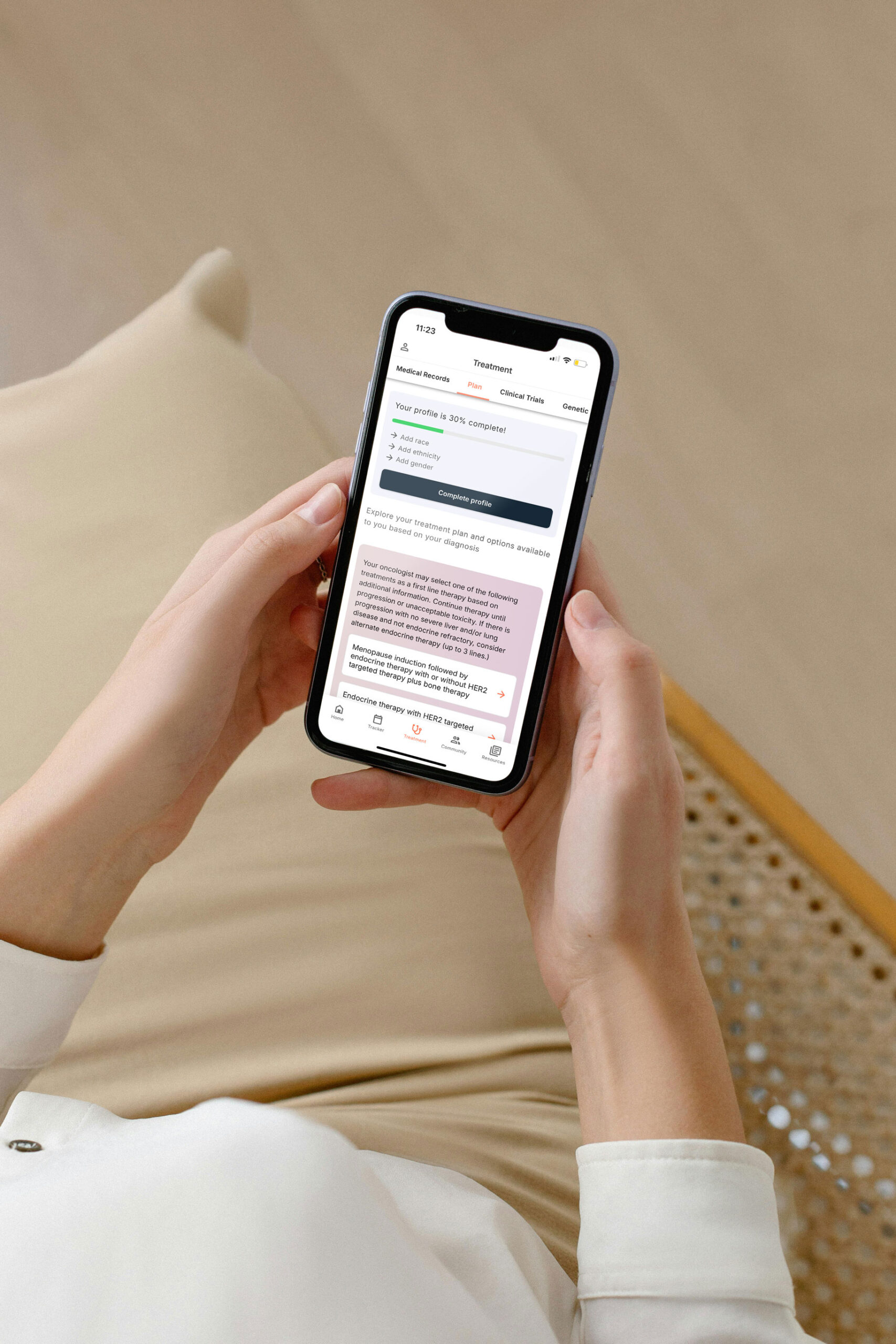
Personalized support for real care decisions
Understand your diagnosis, explore clinical trials, and track symptoms--all in one place.
Get started
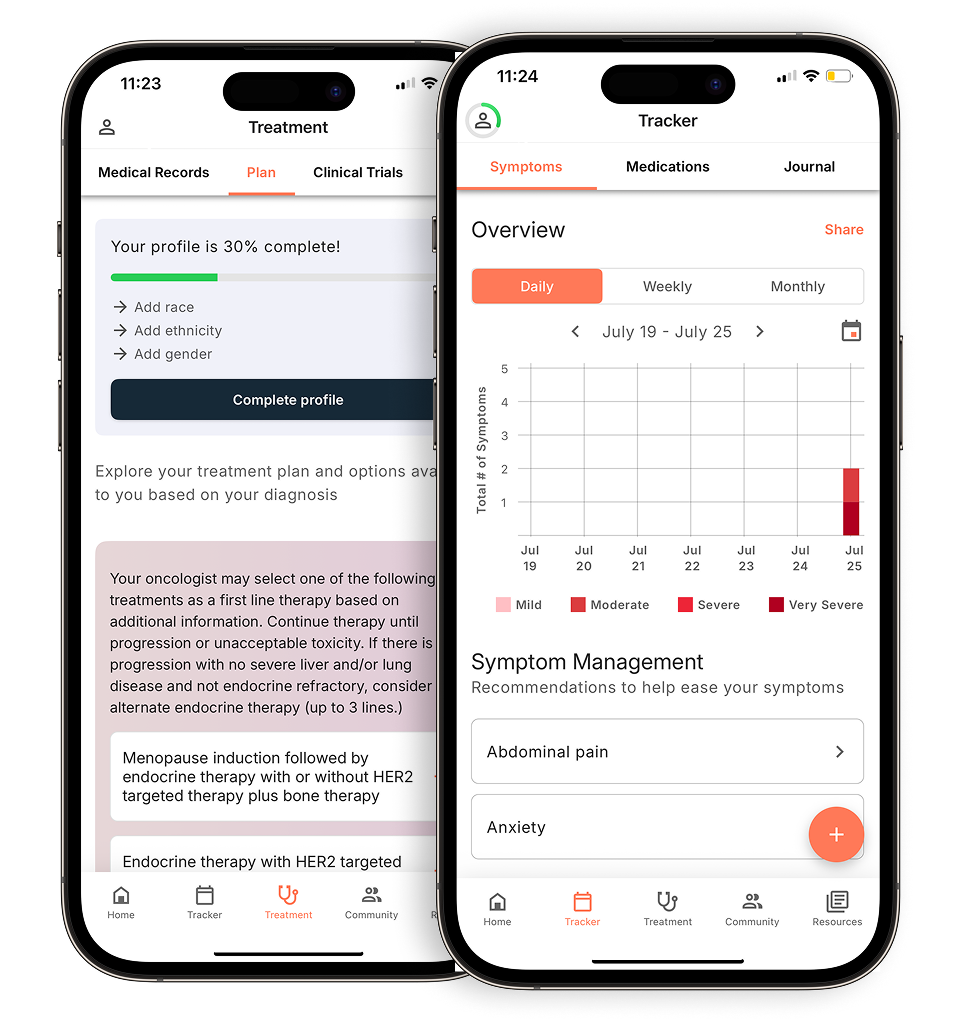
Compare treatments, prepare for appointments, and track side effects—all in the app
Built for your diagnosis, Outcomes4Me gives you the tools to make confident, informed decisions—right when you need them.
Continue in app