When you’re diagnosed with lung cancer, managing your health goes beyond the clinical treatments. Additional lifestyle factors, including nutrition, movement, and mental health, are key components to help you feel your best during this challenging time. For tips on how to navigate these areas, we spoke with leading experts Dr. Martin Dietrich, a medical oncologist at the University of Central Florida, and Dr. Stephen Liu, a thoracic oncologist at Georgetown University. Both emphasize that while therapies are critical, day-to-day lifestyle choices around eating, exercise, and community support can make a meaningful difference in how you feel and respond to treatment.
Eating well during lung cancer treatment
When undergoing lung cancer treatment, both Dr. Dietrich and Dr. Liu agree that it’s “very important” that patients meet their caloric needs to maintain energy. For Dr. Dietrich, having a stable weight and maintaining hydration are two things he wants his patients to focus on. Dr. Dietrich adds that nutritional consults are often recommended because it can be difficult for patients to eat enough. Treatment side effects can affect your taste and appetite, making meals less enjoyable. Working with a registered dietitian can help you navigate those challenges.
Evidence-based guidance powered by NCCN Guidelines®
Personalized treatment plans shaped by the latest oncology standards—tailored to your diagnosis.
Get started
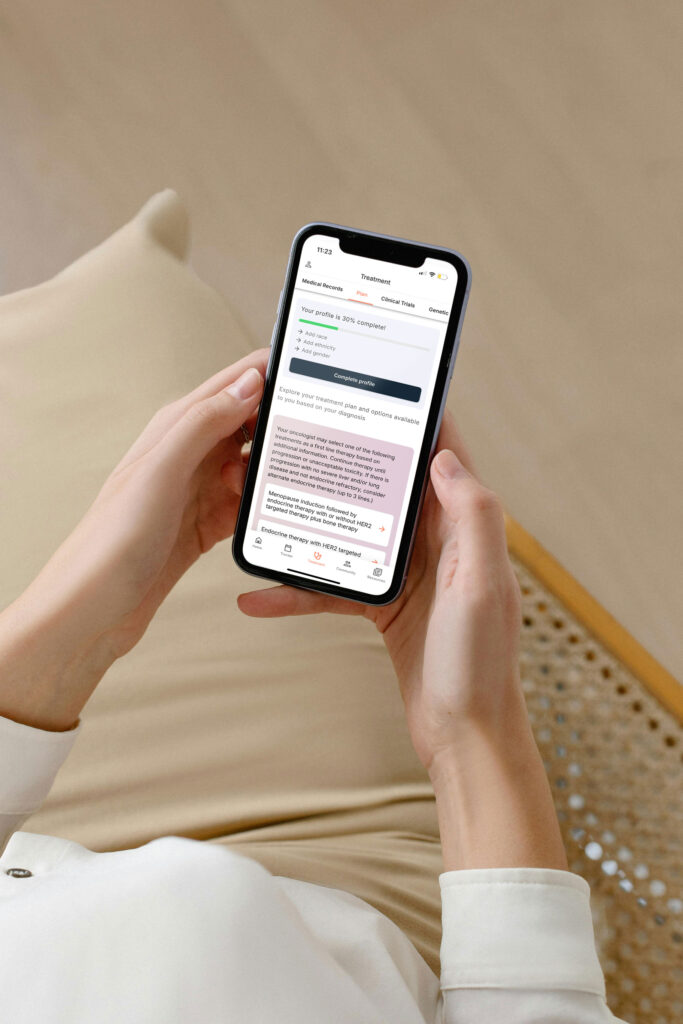
View your personalized treatment plan in the Outcomes4Me app
Use your diagnosis to unlock personalized NCCN Guidelines®-aligned recommendations.
Continue in app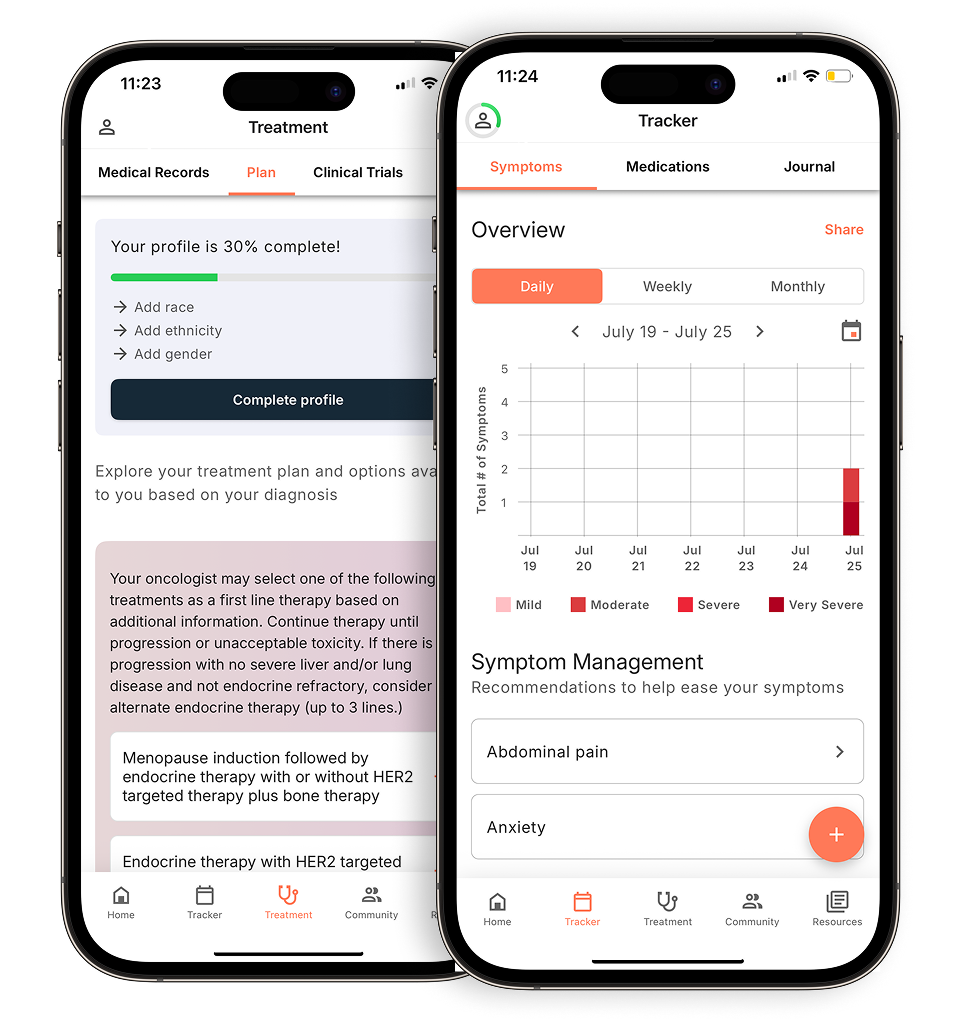
When we asked about whether sugar feeds cancer, Dr. Dietrich answered, “That’s not the case. We’ve seen this in patients with diabetes where the blood sugar at baseline is quite a bit higher. It’s important to not be overly concerned about that. Obviously, I don’t want you to eat unhealthy food; I wouldn’t recommend that to any other patient.”
The big takeaway? Make sure you’re eating enough, try to get a variety of foods, and stay hydrated.
Exercise and staying active
New research suggests exercise may play an even bigger role in treatment and recovery than previously recognized. Dr. Liu says, “[Physical] activity is our friend. I’m a big believer in exercise as an important part of the cancer treatment regimen. While it can be difficult to study the impact that exercise has, there have been studies showing that in other cancers, using exercise routinely can help with cancer-specific outcomes.”
He adds that exercise is especially helpful for patients experiencing fatigue as a treatment side effect. Working with your care team to design an exercise program that fits your personal needs not only helps you feel better, but Dr. Liu emphasizes that it can help you tolerate therapies better for a longer period of time.
The role of friends, family, and support groups
Your support system matters after a cancer diagnosis. “A lot of the cancer-related side effects [like] fatigue, low energy, mood, and depression are helped by social interactions, friends, and family,” says Dr. Dietrich. “The worst thing you can do is to be withdrawn and overthink, on the couch with your laptop, looking for symptoms,” he continues. If you find yourself going down rabbit holes and doomscrolling on your diagnosis, having good company can uplift your spirits and help you feel more grounded.
Social support goes beyond combating cancer treatment side effects, too. Dr. Liu says, “A non-clinical support system is really critical to optimizing outcomes and to providing the best possible care.” Since some targeted therapies have more subtle side effects that can be hard for you to notice, Dr. Liu finds it helpful when loved ones pick up on changes in cognition, memory, or behavior. The extra information and context can provide your care team with more insights into how you’re tolerating your treatment.
In addition to support from friends and family, Dr. Liu notes that support groups can be a powerful tool for patients. “There are many virtual support groups that can allow patients who are going through similar things to come together to share their experiences. That sense of community, I think, is also very important.”
Watch the full video from Dr. Stephen Liu to explore how non-clinical resources can help optimize treatment outcomes.
Personalized support for real care decisions
Understand your diagnosis, explore clinical trials, and track symptoms--all in one place.
Get started
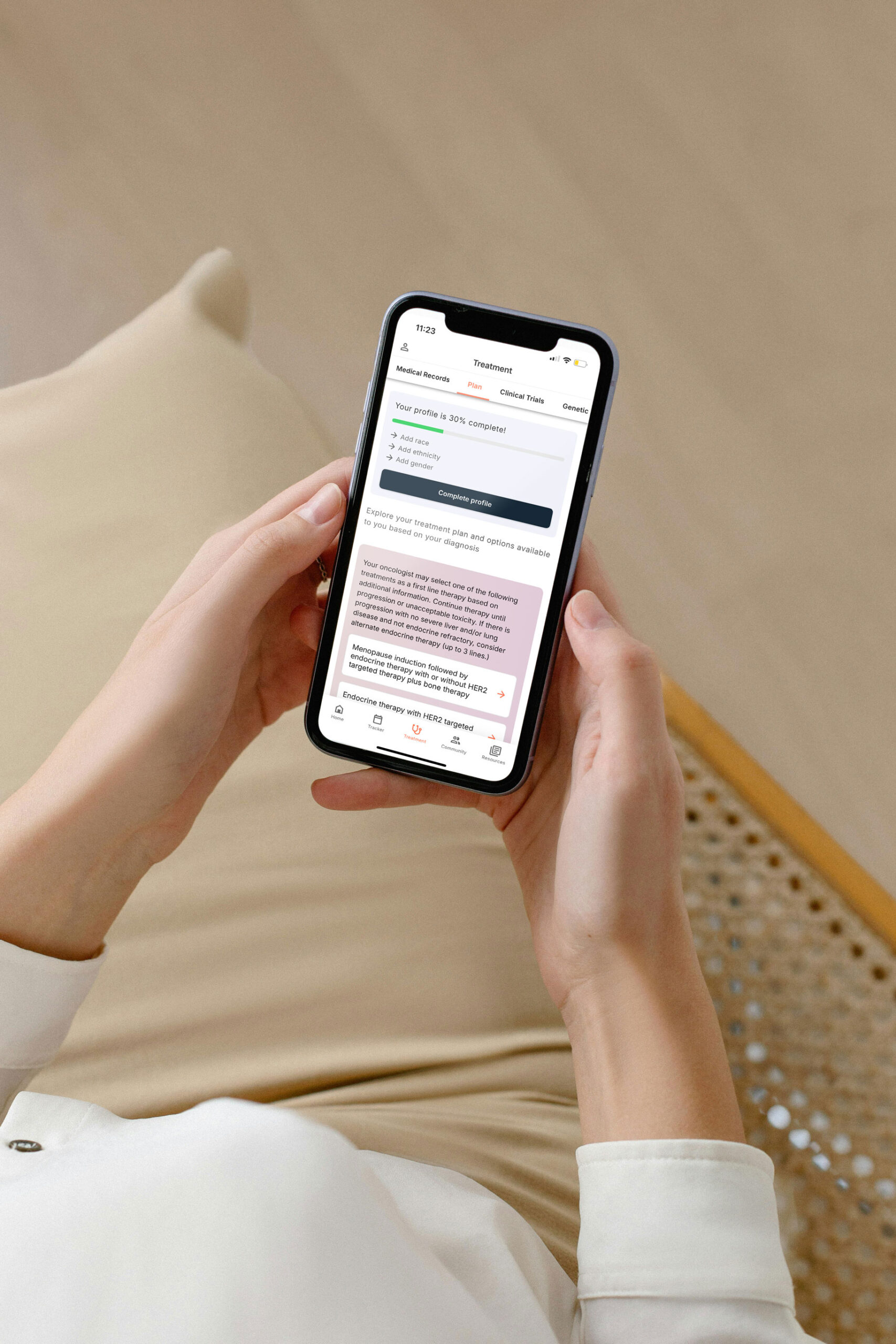
Compare treatments, prepare for appointments, and track side effects—all in the app
Built for your diagnosis, Outcomes4Me gives you the tools to make confident, informed decisions—right when you need them.
Continue in app