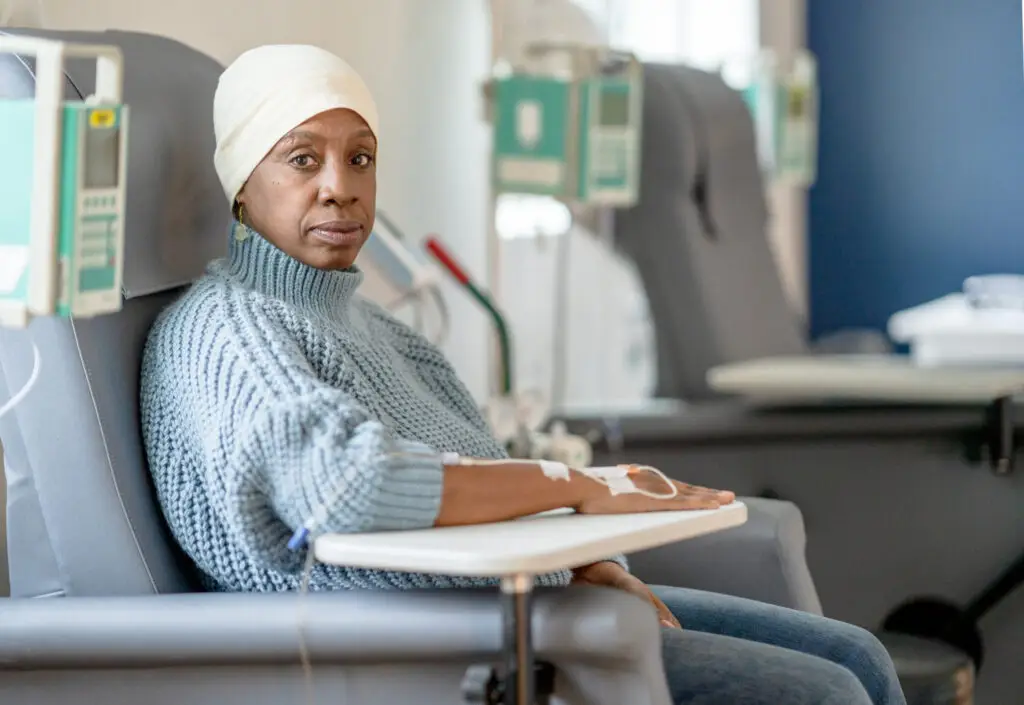
The symptoms, side effects, and general stress from cancer can often be overwhelming, painful, and uncomfortable. If you’re looking for a non-pharmaceutical way to help manage some of the discomfort, there are alternative forms of therapy that can sometimes bring relief, including the practice of reflexology.
As we recognize World Reflexology Week starting Semptember 23rd, we’re spotlighting how this therapy can offer comfort and work on a parallel path to cancer treatment for physical and emotional relief.
What is reflexology?
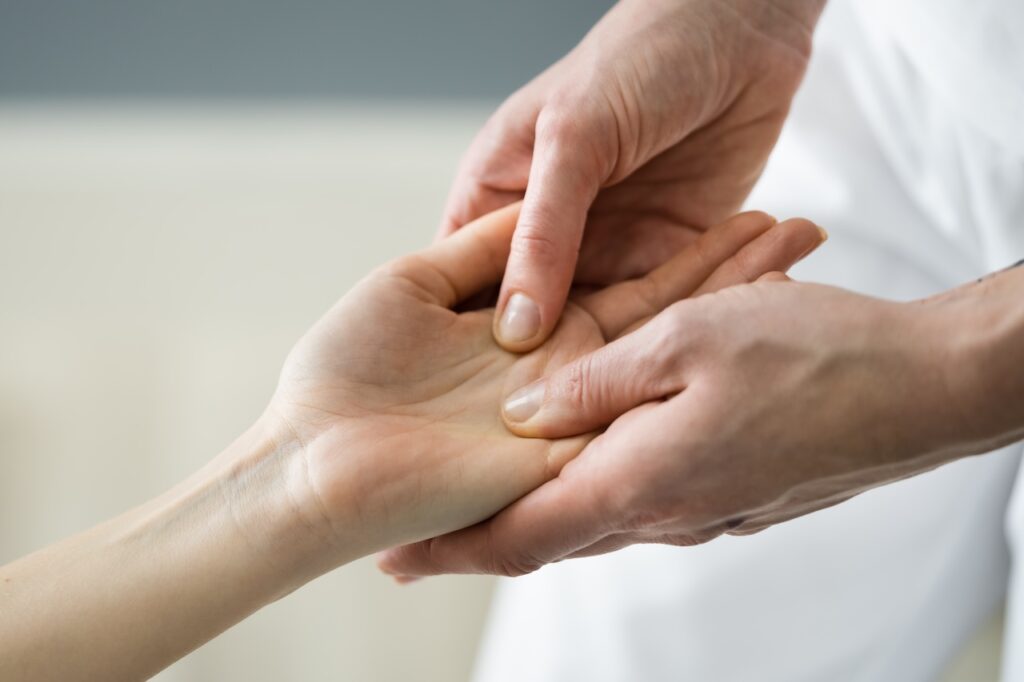
Reflexology is a form of therapy where pressure is applied to specific points on the feet, hands, and ears to stimulate nerve pathways to help you relax. This ancient practice is now utilized globally as an integrative therapy and is sometimes recommended to combat symptoms such as pain, anxiety, and overall fatigue.
While reflexology is not a treatment or a cure for cancer, it can help you manage some of the side effects that might be affecting your quality of life. If you’re experiencing chemotherapy-induced peripheral neuropathy (CIPN), reflexology could be especially beneficial. City of Hope’s integrative hematologist and oncologist, Dr. Krisstina Gowin says, “In our [integrative] pain guidelines, there’s a special call out for CIPN. The two recommendations are acupuncture as well as reflexology, so those are the most evidence-based ways to approach CIPN.”
Is reflexology the same as massage?
While reflexology and massage share a focus on relaxation, they’re distinct therapies. Massage typically involves working on muscles and tissues to relieve tension, improve circulation, and reduce pain. Reflexology, on the other hand, targets specific points that correspond to nerve pathways in the body. This approach can help other areas of the body relax and can be a suitable alternative for patients who prefer less direct or full-body touch. Many cancer centers offer both therapies, and they can be used together depending on your preferences and needs.
How can it help relieve my symptoms from cancer?
How you feel after a reflexology session will be personal to you and the symptoms you’re experiencing. In general, many patients report feeling less stressed, anxious, and fatigued, which in turn can help improve sleep. For some, reflexology helped reduce nausea and pain. Practitioners at Dana-Farber Cancer Institute believe that reflexology is effective because by addressing one symptom or promoting deep relaxation, it can create a positive ripple effect, helping patients feel better overall and potentially easing other related symptoms. A small improvement in one area can lead to broader benefits for both physical comfort and emotional well-being.
Are there any reasons I shouldn’t try reflexology?
Talk to your care team first to find out if you’re a good candidate for reflexology, and if they recommend that you give it a try. If you have gout, issues with circulation, thyroid problems, or infections, make sure to tell your care team and your reflexology therapist if you choose to make an appointment because they might want to avoid certain areas of your body during your therapy.
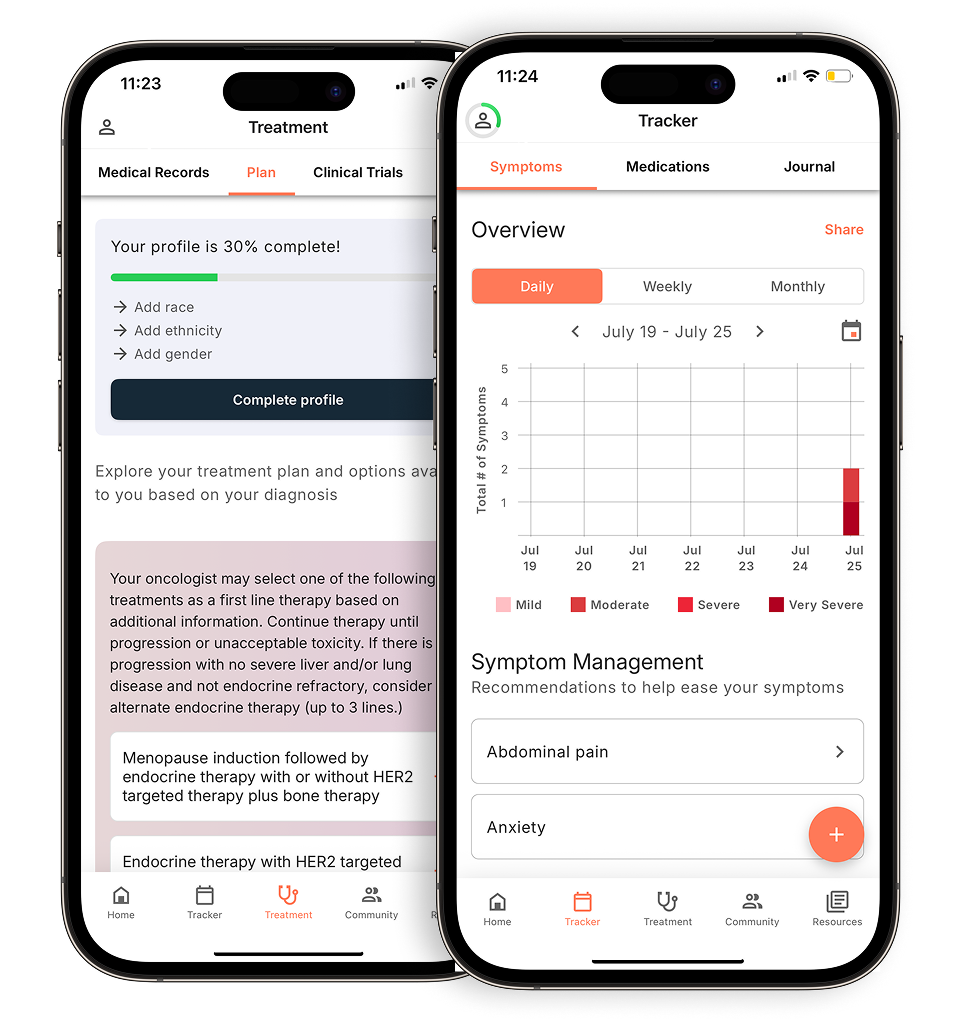
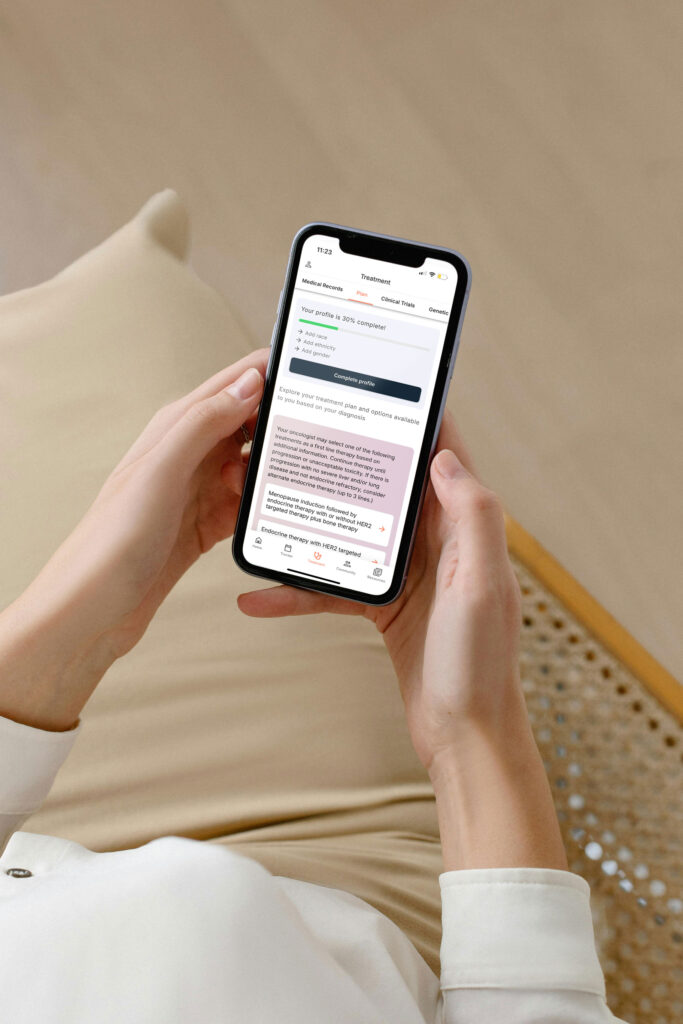
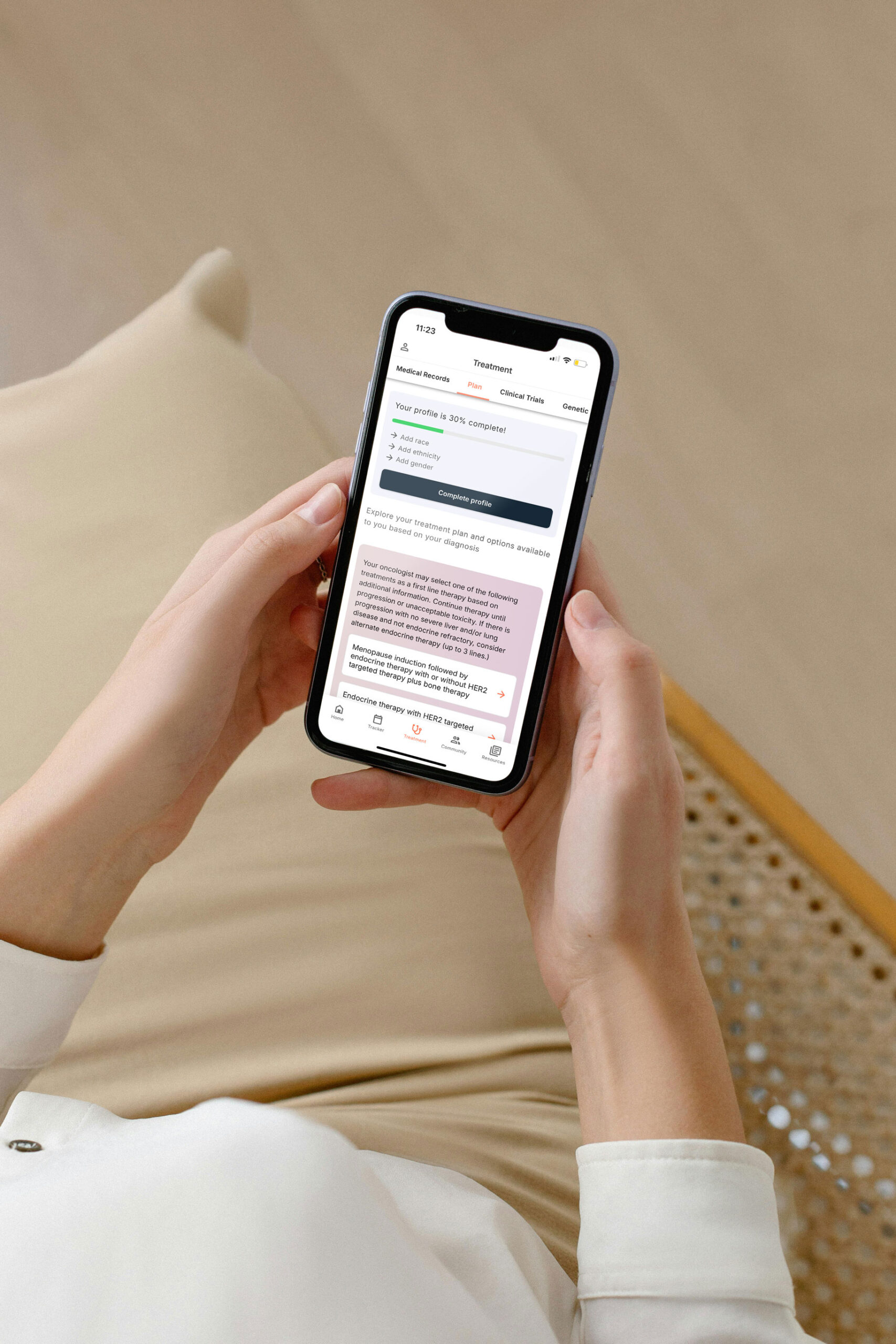
As always, if you would like to connect with an Outcomes4Me oncology nurse practitioner at no charge through the Outcomes4Me app, just use the “Ask Outcomes4Me” button.
Personalized support for real care decisions
Understand your diagnosis, explore clinical trials, and track symptoms--all in one place.
Get started
Compare treatments, prepare for appointments, and track side effects—all in the app
Built for your diagnosis, Outcomes4Me gives you the tools to make confident, informed decisions—right when you need them.
Continue in app