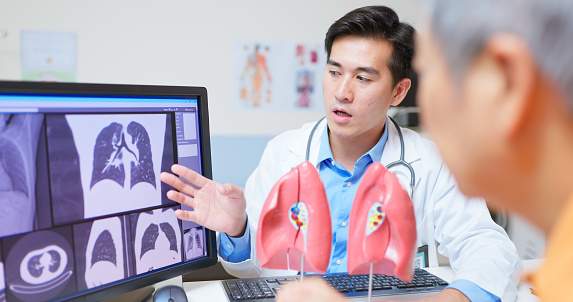
What Is Lung Cancer?
Lung cancer occurs when cells in the lungs grow out of control, leading to masses or tumors that impair breathing. It’s broadly classified into two main types: non‑small cell lung cancer (NSCLC), which accounts for about 85% of cases, and small cell lung cancer (SCLC), a more aggressive but less common form. Common risk factors include tobacco smoking, exposure to radon or asbestos, and certain genetic mutations. Early detection often involves low‑dose CT scans for high‑risk individuals. Advances in diagnosis and treatment have steadily improved outcomes.
How Long Can You Live After Being Diagnosed with Lung Cancer?
Life expectancy after a lung cancer diagnosis depends heavily on type and stage. Untreated advanced NSCLC may lead to survival ranging from 2 to 8 months, while treated cases can extend significantly longer. Some stage IV patients live 6 to 12 months median, and a smaller percentage surpass the five‑year mark with modern therapies. Individual outcomes depend on overall health, treatment response, and biomarker status.
Evidence-based guidance powered by NCCN Guidelines®
Personalized treatment plans shaped by the latest oncology standards—tailored to your diagnosis.
Get started
View your personalized treatment plan in the Outcomes4Me app
Use your diagnosis to unlock personalized NCCN Guidelines®-aligned recommendations.
Continue in app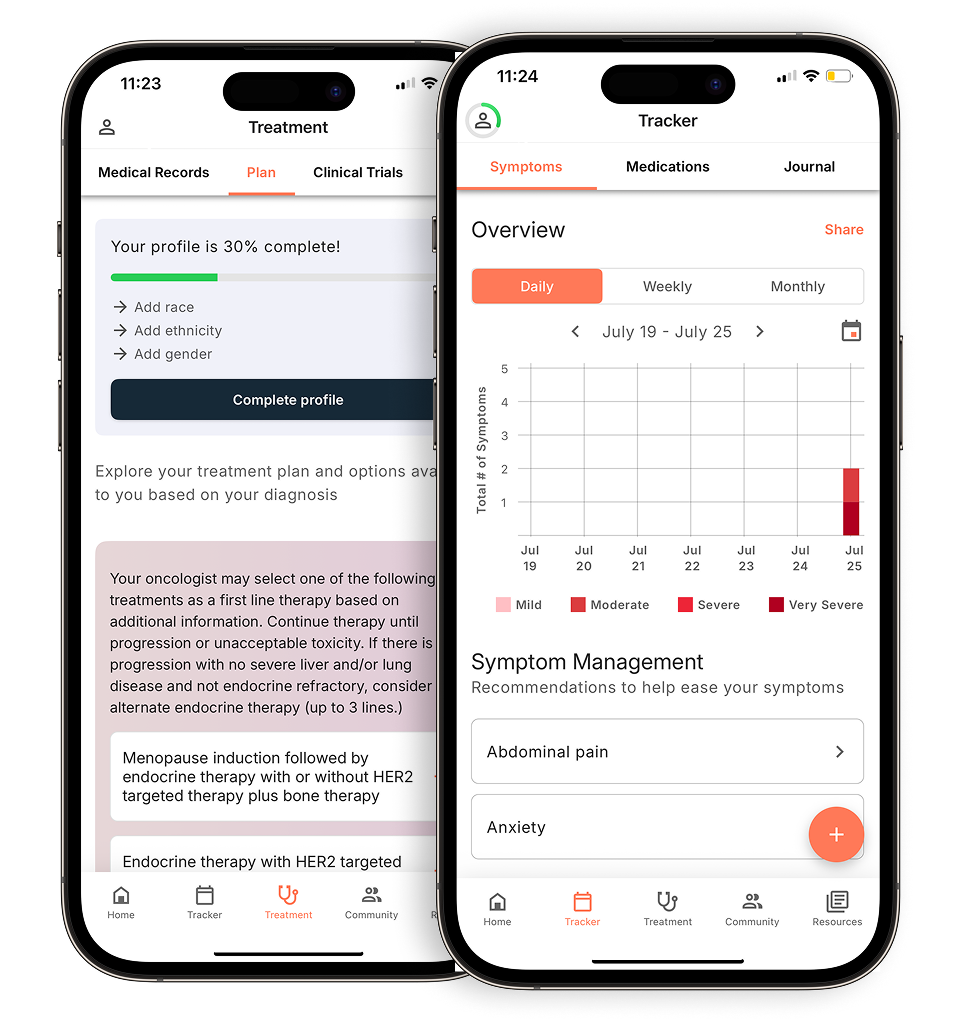
What Is a 5‑Year Relative Survival Rate?
The 5‑year relative survival rate compares survival of lung cancer patients to the general population, adjusting for age and other factors. It reflects how many people are expected to live at least five years after diagnosis, regardless of cause of death. For lung cancer overall, the rate is around 19% in many countries. The meaning is: if diagnosed today, about 19% of patients might still be alive in five years.
What Factors Influence Your Lung Cancer Survival Rate?
Several factors shape survival outcomes:
Cancer stage and type: NSCLC generally has better outcomes than SCLC. Early-stage detection vastly improves prognosis.
Biomarkers & mutations: Presence of targetable mutations (e.g., EGFR, ALK, KRAS) often opens doors to effective targeted therapies like sotorasib or crizotinib.
Patient health: Younger age, good fitness, non-smoking status, and fewer comorbidities support better treatment tolerance and outcomes.
Response to treatment: Patients who respond well to chemotherapy, immunotherapy, or targeted agents tend to live longer.
Lung Cancer Survival by Stage
Stage I‑II (localized): 5‑year survival roughly 55–65% for NSCLC; often treated with surgery.
Stage III: 5‑year survival drops to approximately 11–30%, depending on nodal involvement and treatment.
Stage IV (metastatic): 5‑year survival around 5% for NSCLC and about 3% for SCLC; median survival with treatment generally falls between 6–12 months.
What Are Recent Advancements in Lung Cancer Treatment?
New treatment options have begun shifting the prognosis for advanced lung cancer:
Immunotherapy, including checkpoint inhibitors like pembrolizumab and nivolumab, boost response rates and extend survival for advanced NSCLC.
Targeted therapy, such as sotorasib targeting KRAS mutations or EGFR/ALK inhibitors, brings powerful personalized options to subsets of patients.
Liquid biopsies and AI-powered tools are enhancing early detection and prognostic accuracy, optimizing treatment tailoring and disease monitoring.
Lung Cancer Survival Statistics: What You Should Know
Overall, lung cancer has about a 19% 5‑year survival rate across all stages.
Gender differences: Women often fare slightly better—around 22% vs 16% for men—potentially due to biological and exposure differences.
Survival rates vary widely by stage: early detection offers the best chances, while late-stage disease presents much lower long-term survival rates. Advances in treatment and early screening help improve these stats over time.
How Often Does Lung Cancer Come Back?
Recurrence risk depends on stage and treatment: early-stage cancers that undergo surgery still carry a risk of returning, sometimes months or years later. Advanced-stage cancers are more likely to recur or progress despite treatment. Predictive tools combining imaging and genomics are improving attempts to forecast which cases are more likely to recur after initial response. Close follow-up—imaging, biomarker testing, clinical exams—helps detect recurrence early and guide timely intervention.
🔗 Additional Resources from Outcomes4Me
For a deeper look at life expectancy with Stage 4 lung cancer, see Outcomes4Me’s article: Understanding Life Expectancy with Stage 4 Lung Cancer (published March 12, 2024).
For insights on Stage 4 NSCLC life expectancy with and without treatment, Outcomes4Me offers detailed info in posts from June 2024.
Personalized support for real care decisions
Understand your diagnosis, explore clinical trials, and track symptoms--all in one place.
Get started
Compare treatments, prepare for appointments, and track side effects—all in the app
Built for your diagnosis, Outcomes4Me gives you the tools to make confident, informed decisions—right when you need them.
Continue in app