There is no single “right” choice when deciding whether to have breast reconstruction or to go flat (choose flat closure). Whether you’ve been diagnosed with breast cancer or are considered genetically high-risk and choose to have a mastectomy, the decision is deeply personal and can be emotional. While your care team can help you understand the potential benefits and considerations of each option, ultimately, there isn’t a one-size-fits-all approach. The choice should reflect what feels most comfortable and empowering for you.
Many women—including public figures like Olivia Munn, Jenna Fischer, and Sheryl Crow—have shared their experiences, helping to normalize the discussion around these decisions.
Recently, professional organizer and Get Organized with The Home Edit host Clea Shearer shared her experience with breast reconstruction following her 2022 diagnosis and double mastectomy. She has undergone multiple surgeries and continues to experience complications related to her implants. As she explains, her decision was driven largely by emotional needs: “For me, there’s a real need to put my body back together. It’s an emotional need more than a physical one.”
Other women choose to go flat, which is also called an aesthetic flat closure. This approach, which has gained visibility through the Going Flat Movement, began in 2016. It involves opting out of reconstruction after a mastectomy and having the surgeon create a smooth, symmetrical chest. Many women find that going flat can lead to faster recovery, fewer surgeries, and less risk of future medical complications. Some describe it as a way to honor their bodies without attempting to replicate what existed before surgery.
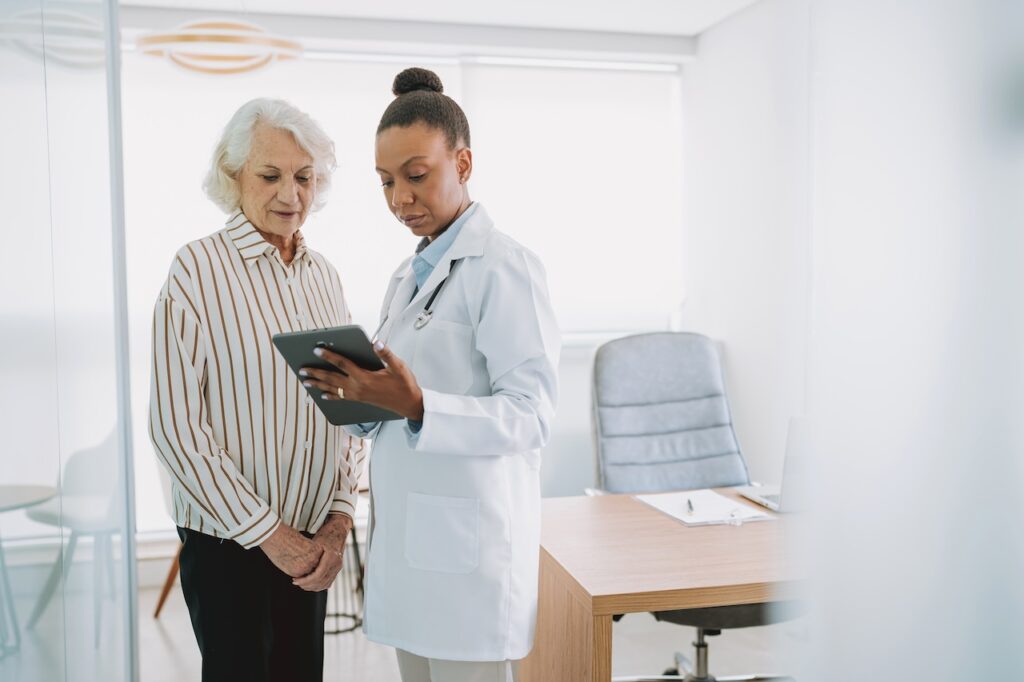
If you’re unsure which path is right for you, it can help to discuss your options with your care team and, if possible, connect with other breast cancer survivors who are willing to share their experiences. Consider what will feel most comfortable and authentic for you at this stage in your life.
It’s normal to feel scared, vulnerable, or reflective during this process. There are resources available to support you before and after surgery, including:
- Flat Closure NOW: An advocacy group supporting women who choose to go flat.
- Living Beyond Breast Cancer (LBBC): A community sharing stories of survivorship post-mastectomy, including flat closure experiences.
- Breastcancer.org: Educational resources for both flat closure and breast reconstruction.
- Susan G. Komen: A breast cancer organization offering stories and guidance on decision-making and self-advocacy.
- For the Breast of Us: A community focused on empowering women of color with breast cancer through education and advocacy.
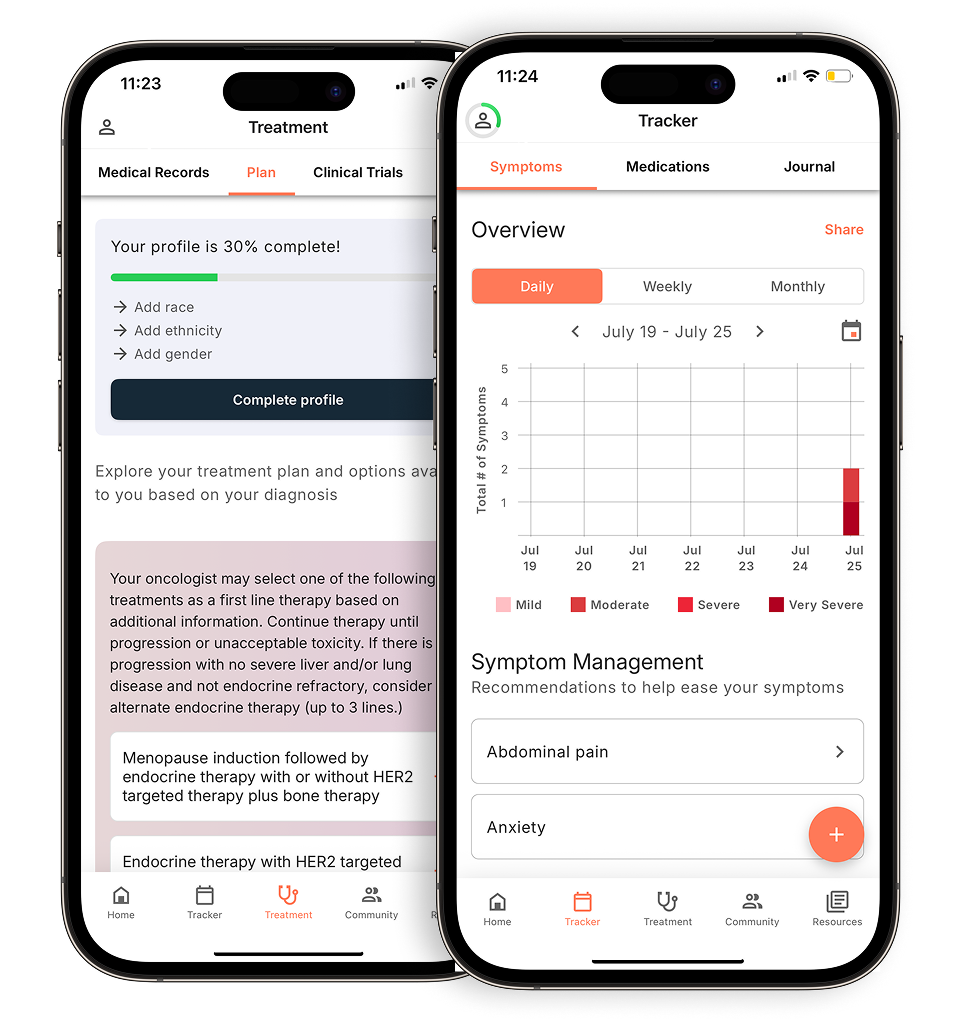
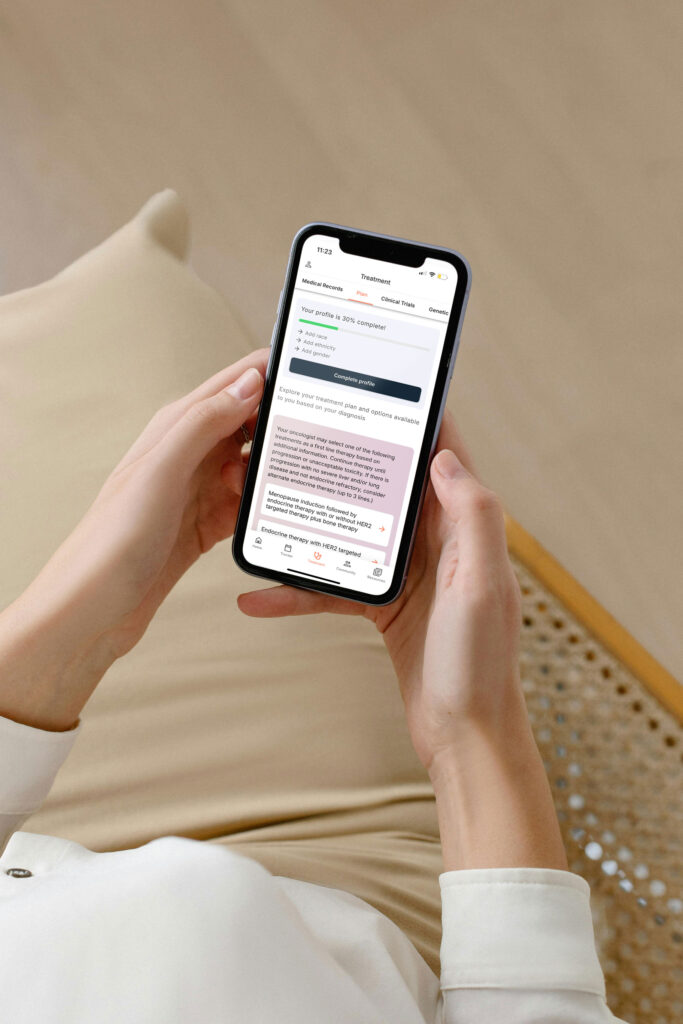
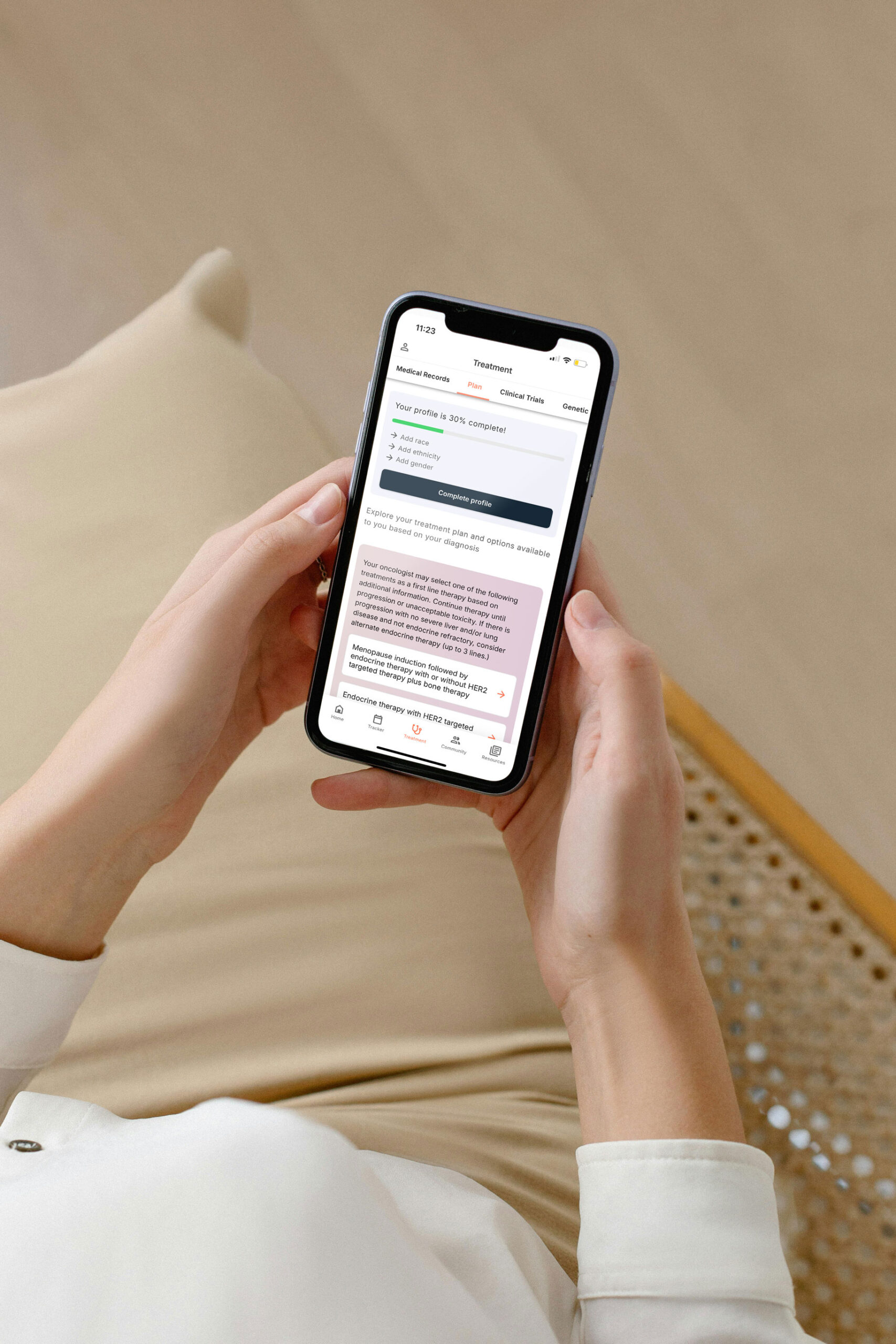
As always, if you would like to connect with an Outcomes4Me oncology nurse practitioner at no charge through the Outcomes4Me app, just use the “Ask Outcomes4Me” button.
Personalized support for real care decisions
Understand your diagnosis, explore clinical trials, and track symptoms--all in one place.
Get started
Compare treatments, prepare for appointments, and track side effects—all in the app
Built for your diagnosis, Outcomes4Me gives you the tools to make confident, informed decisions—right when you need them.
Continue in app