
Prostate cancer is one of the most common cancers affecting men worldwide. Because it often develops slowly, many men may not notice symptoms until the disease has progressed. Understanding the warning signs of prostate cancer can make a significant difference in catching the disease early, when treatment is most effective.
This article will cover what prostate cancer is, the most important prostate cancer warning signs, how to recognize the early warning signs of prostate cancer, advanced symptoms, and steps you can take to lower your risk.
What Is Prostate Cancer?
The prostate is a small gland located below the bladder and in front of the rectum. It produces seminal fluid that nourishes and transports sperm. Prostate cancer occurs when abnormal cells in the prostate begin to grow uncontrollably.
Not all prostate cancers behave the same way. Some grow slowly and may not pose a serious threat, while others are aggressive and can spread quickly. Detecting the symptoms of prostate cancer early gives patients more options for effective treatment and better long-term outcomes.
Common Warning Signs of Prostate Cancer
The warning signs of prostate cancer often overlap with other prostate conditions, such as benign prostatic hyperplasia (BPH) or prostatitis. However, paying attention to persistent or unusual changes in urinary or sexual health can be crucial.
Some of the most common prostate cancer symptoms include:
Difficulty starting or stopping urination
Weak or interrupted urine flow
Evidence-based guidance powered by NCCN Guidelines®
Personalized treatment plans shaped by the latest oncology standards—tailored to your diagnosis.
Get started
View your personalized treatment plan in the Outcomes4Me app
Use your diagnosis to unlock personalized NCCN Guidelines®-aligned recommendations.
Continue in app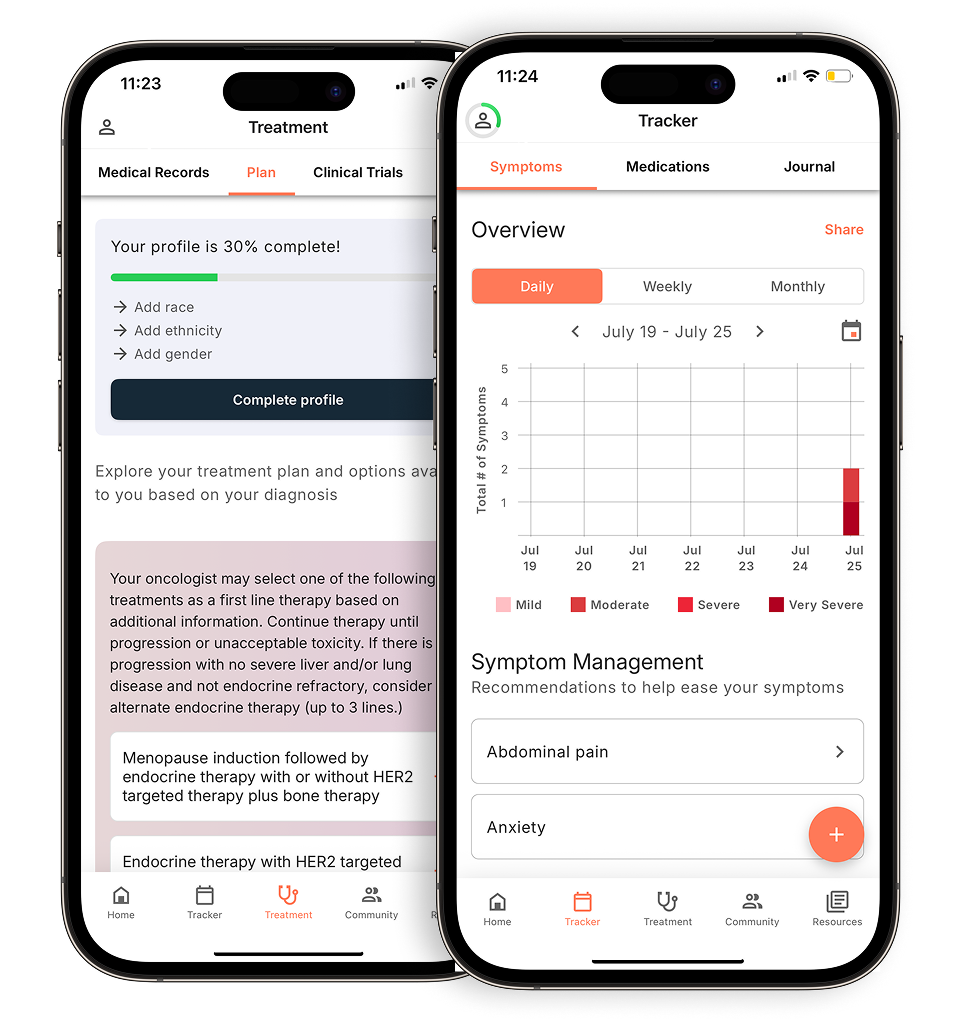
Frequent urination, especially at night
Pain or burning during urination
Blood in urine (hematuria) or semen
Erectile dysfunction or reduced sexual function
Because these symptoms may also be caused by noncancerous conditions, they should not be ignored. A healthcare provider can determine whether they are linked to prostate cancer warning signs or another cause.
Early Warning Signs of Prostate Cancer
In its earliest stages, prostate cancer may cause very few noticeable symptoms, which is why routine screening can be important for men at higher risk. However, some early warning signs of prostate cancer can include:
Subtle changes in urination habits, such as increased frequency or urgency
Weak urine stream or difficulty completely emptying the bladder
Discomfort in the pelvic area, lower back, or hips
Unexplained pain during ejaculation
Persistent feeling that the bladder is not fully emptied
Recognizing these early warning signs of prostate cancer and speaking with a doctor can allow for prompt testing, such as a prostate-specific antigen (PSA) blood test or a digital rectal exam (DRE).
Advanced Symptoms of Prostate Cancer
If prostate cancer spreads beyond the prostate gland, more serious symptoms of prostate cancer may appear. These advanced signs can affect other parts of the body, including bones and lymph nodes.
Advanced prostate cancer symptoms may include:
Bone pain, often in the spine, hips, or ribs
Swelling in the legs due to lymph node involvement
Unexplained weight loss or fatigue
Loss of bladder or bowel control in severe cases
Shortness of breath if cancer spreads to the lungs
At this stage, treatment may become more complex. Recognizing earlier prostate cancer warning signs can help avoid reaching this advanced phase.
What Risk Factors Increase Your Risk of Prostate Cancer?
Several factors can increase a man’s likelihood of developing prostate cancer. Understanding these risks helps guide screening and lifestyle decisions.
Age: Risk increases significantly after age 50.
Family history: Having a father or brother with prostate cancer doubles the risk.
Race and ethnicity: African American men face a higher risk and often develop more aggressive forms.
Genetics: Certain inherited mutations (such as BRCA1 and BRCA2) can increase risk.
Diet and lifestyle: Diets high in red meat and low in fruits and vegetables may contribute.
Knowing your risk profile allows you to be more proactive about monitoring for prostate cancer symptoms.
How Can I Lower My Risk of Prostate Cancer?
Although there is no guaranteed way to prevent prostate cancer, lifestyle choices may reduce risk and improve overall prostate health.
Maintain a healthy diet: Focus on fruits, vegetables, whole grains, and lean proteins.
Exercise regularly: Physical activity supports hormone balance and immune function.
Limit red meat and processed foods: These may be linked to higher prostate cancer risk.
Maintain a healthy weight: Obesity is associated with more aggressive prostate cancers.
Get regular screenings: Especially important for men with higher risk factors.
Making these changes can help lower your chances of developing prostate cancer symptoms later in life.
When to Consult a Doctor
You should contact a healthcare provider if you notice any persistent prostate cancer symptoms, including urinary changes, pelvic pain, or blood in urine or semen. Even if the cause is not cancer, these issues may point to other treatable prostate conditions.
Men over 50—or over 40 for those with higher risk factors—should discuss screening options with their doctor. Early detection of the warning signs of prostate cancer allows for more treatment choices and can improve survival rates.
Conclusion
Being informed about the warning signs of prostate cancer is one of the most powerful tools men have in protecting their health. From subtle early warning signs of prostate cancer like urinary changes to more advanced prostate cancer symptoms such as bone pain or weight loss, awareness can drive earlier diagnosis and intervention.
If you experience any concerning symptoms of prostate cancer, don’t delay in reaching out to a healthcare provider. Regular checkups, healthy lifestyle choices, and open communication with your doctor can all play a role in reducing your risk and improving outcomes.
Related Topics
Personalized support for real care decisions
Understand your diagnosis, explore clinical trials, and track symptoms--all in one place.
Get started
Compare treatments, prepare for appointments, and track side effects—all in the app
Built for your diagnosis, Outcomes4Me gives you the tools to make confident, informed decisions—right when you need them.
Continue in app