The 2025 San Antonio Breast Cancer Symposium (SABCS) showcased several exciting advances in triple-negative breast cancer (TNBC). Researchers presented promising data on new treatment options, including preventive and therapeutic vaccines, targeted antibody-drug conjugates, and more. These new findings offer hope for more effective and personalized care for patients living with TNBC. See some of the highlights below.
Researchers shared final results from a Phase I trial of an experimental vaccine designed to prevent triple-negative breast cancer from coming back. The vaccine targets alpha-lactalbumin, a protein commonly found in TNBC tumors but not in normal breast tissue. 74% of participants developed a measurable immune response, and there were no serious side effects, with mild injection-site reactions like redness or swelling being the most common.
The data were presented by investigators from the Cleveland Clinic, in collaboration with Anixa Biosciences, and based on these encouraging results, a larger Phase II trial at multiple sites across the U.S. is planned!
2) Encouraging new trial data for patients with metastatic TNBC
Early trial results show that the investigational drug datopotamab deruxtecan (Dato-DXd) may offer a new treatment option for people with metastatic TNBC who’ve already tried other therapies. In this Phase I study, about one-third of patients responded to the treatment, and many others saw their disease stabilize. While more research is needed, these findings are encouraging and support moving forward with larger Phase III trials.
3) Anti-body drug conjugate (ADC) offers a stronger quality of life for patients with advanced TNBC
New research shows that sacituzumab govitecan helps patients with advanced TNBC maintain their quality of life better than standard chemotherapy, even though it may cause more digestive side effects. Patients were able to keep up their physical functioning over 25 weeks. These findings are significant because this ADC could become a first treatment option for patients who aren’t eligible for immunotherapy.
4) Triple-negative early breast cancer (TNBC): chemo “recipes” keep evolving
In the CITRINE study, researchers added carboplatin after surgery for people with higher-risk triple-negative breast cancer to see if it could give them a stronger safety net and it worked! About 7 to 10 percent more patients stayed free of recurrence or serious complications compared with those who received the usual treatment. Pooled data and new analyses show that in higher-risk patients adding carboplatin to standard pre-surgery chemo in TNBC can improve the chance of a complete response and may improve long-term outcomes.
5) Study highlights benefits of acupuncture for cancer-related brain fog
A new clinical trial shows that acupuncture, both real and sham (where the needles don’t penetrate the skin), helped breast cancer survivors feel noticeable improvement in “chemo brain” symptoms compared with usual care. Real acupuncture went a step further and also improved measurable cognitive skills like memory and attention. Cancer-related brain fog affects over 40% of survivors, and these findings offer an encouraging non-drug option for survivors to manage daily cognitive challenges.
Staying informed can help you ask better questions, understand your options as they change, and feel more confident navigating care over time. Outcomes4Me is here to help bring the latest research into clear, patient-centered language and offer support when you need it.
Personalized support for real care decisions
Understand your diagnosis, explore clinical trials, and track symptoms--all in one place.
Get started
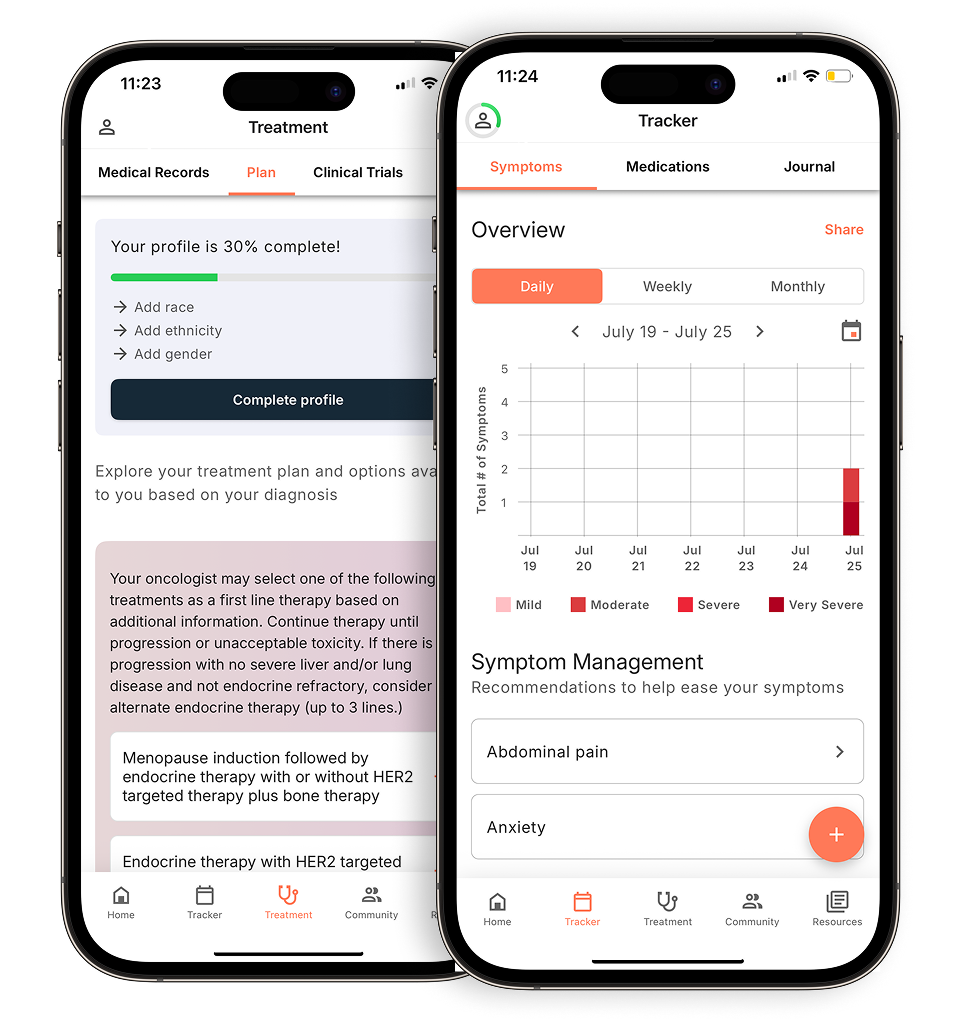
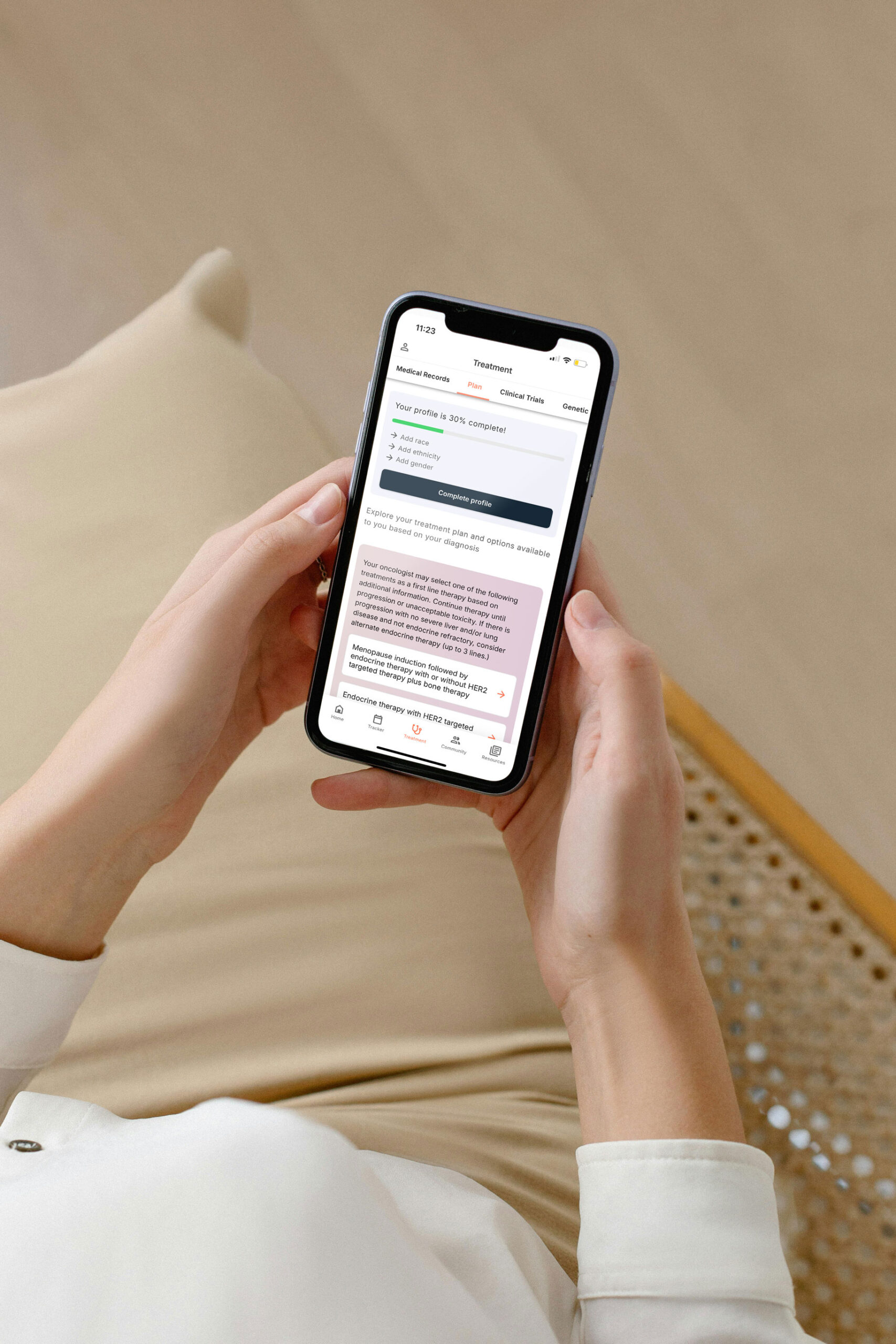
Compare treatments, prepare for appointments, and track side effects—all in the app
Built for your diagnosis, Outcomes4Me gives you the tools to make confident, informed decisions—right when you need them.
Continue in app