
Being an active partner in your own healthcare is one of the most powerful things you can do, but it requires access to clear, trustworthy information. After a lung cancer diagnosis, you need answers that are relevant to you—not generic articles from a confusing web search. A high-quality lung cancer support app acts as your personal health advocate, translating complex medical guidelines into understandable insights. It can provide personalized treatment options, suggest relevant clinical trials, and give you the evidence-based knowledge you need to have more confident, informed discussions with your oncologist about the path forward.
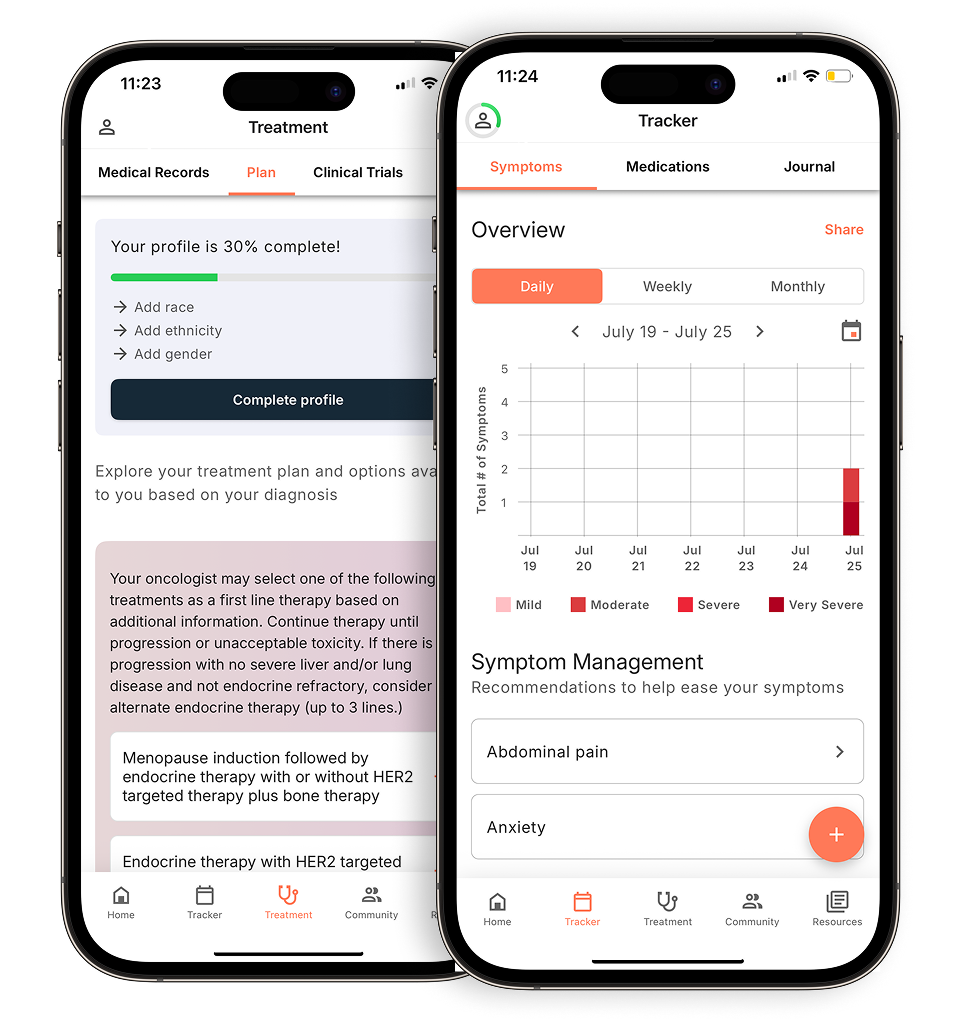
View your personalized treatment plan in the Outcomes4Me app
Use your diagnosis to unlock personalized NCCN Guidelines®-aligned recommendations.
Key Takeaways
- Streamline Your Health Information: Use a support app to centralize your medical details—from symptom logs to appointment notes—giving you a clear, organized record to share with your doctor and feel more in control.
- Seek Out Personalized, Evidence-Based Insights: The best apps offer treatment options and clinical trial information based on your specific diagnosis and established medical guidelines, empowering you to have more informed discussions about your care.
- Vet Your App Before You Download: Always check for a clear privacy policy, user-friendly design, and medically accurate content to ensure the tool you choose is trustworthy and genuinely helpful.
What is a Lung Cancer Support App?
When you’re dealing with a lung cancer diagnosis, managing all the information, appointments, and symptoms can feel like a full-time job. A lung cancer support app is a tool on your phone or tablet designed to make that job easier. Think of it as a digital partner that helps you organize the complexities of your care journey, putting essential resources right at your fingertips. These apps are built to assist both patients and their caregivers, offering a centralized place to track everything from medications to side effects, while also providing a source of reliable information and emotional support when you need it most.
Your Digital Partner in Cancer Care
A good support app acts as your personal health organizer. Instead of juggling notebooks, folders, and scattered papers, you can keep everything in one secure place. These apps can help you manage different parts of living with cancer, from keeping a log of your medications and appointments to storing important documents and test results. Whether you need a simple tool for medication reminders or a comprehensive platform that does it all, the goal is to lighten your mental load. By centralizing your health information, you can feel more in control and prepared for every conversation with your care team.
What These Apps Actually Do
So, what can you expect from a lung cancer support app? Their features are designed to address the practical and emotional challenges of a diagnosis. Key functions often include educational resources to help you understand your condition and treatment options, tools for self-management like symptom trackers, and features that help coordinate your care. Many apps provide a space to log how you’re feeling each day, which can reveal patterns that are helpful to share with your doctor. The aim is to give you the tools for self-management that empower you to take an active role in your own care.
Connecting with Your Care Team
One of the most valuable features of a support app is its ability to strengthen the connection between you and your healthcare providers. These apps can make it easier to communicate important details, share symptom logs in real time, and receive guidance from your medical team between appointments. Some apps also help you find a wider support network. For example, certain platforms allow you to connect with trained community volunteers or cancer information specialists who can answer questions and provide an extra layer of support. This helps ensure you never feel like you’re going through this alone.
Key Features to Look For in an App
With so many apps available, it can be tough to figure out which one will actually make a difference in your day-to-day life. The best apps go beyond just providing information; they become an active part of your support system. They help you organize the complexities of your care, understand your options, and feel more in control. When you’re evaluating different lung cancer apps, think about how they handle a few key areas. A great app should feel like a knowledgeable, organized, and supportive friend in your pocket—one that’s available 24/7. Look for tools that are not only packed with useful features but are also easy to use, especially on days when you’re not feeling your best. The goal is to find a digital partner that reduces your stress, not adds to it.
Personalized Treatment Options and Clinical Trials
A truly helpful app provides information that’s relevant to you. Instead of generic articles, look for an app that can process your specific diagnosis, cancer stage, and health history to offer personalized guidance. The most advanced apps can present you with up-to-date treatment options and even suggest clinical trials you might be eligible for. This feature turns the app from a simple library into a dynamic tool for your care. It helps you have more informed conversations with your oncologist about the path forward. An app that allows you to log and track your treatments can also provide a clear picture of your cancer journey, all in one place.
Symptom and Medication Tracking
Managing symptoms and medications is a daily reality when you’re living with lung cancer. An app with a robust tracking feature can be incredibly valuable. Studies show that using an app to monitor symptoms and medications helps patients stay informed and on top of their care plan. By logging how you feel each day, you create a detailed record that you can share with your doctor. This data can help your care team understand how your treatment is affecting you and make timely adjustments to manage side effects, ensuring you have the best possible quality of life throughout your treatment.
Easy Communication with Your Doctors
Clear and consistent communication with your healthcare team is essential. While an app won’t replace your doctor, it can certainly make your interactions more effective. Look for features that help you prepare for appointments, like a place to jot down questions as they come to you. Some apps even offer tools to help you connect with specialists. The ability to organize your medical information, track your symptoms, and have your questions ready can make every doctor’s visit more productive, ensuring you and your provider are always on the same page.
Trusted Medical Information and Guidelines
When you have questions about your health, you need answers you can trust. The best cancer apps provide educational resources that are medically vetted and easy to understand. It’s critical to choose an app that bases its information on established, evidence-based sources, such as the NCCN Clinical Practice Guidelines in Oncology (NCCN Guidelines®). This ensures the information you’re receiving about treatments, side effects, and self-care is accurate and reliable. An app that empowers you with trustworthy knowledge can help you feel more confident in the decisions you make with your care team.
A Supportive Community
You don’t have to go through this alone. Living with lung cancer has its own unique challenges, and connecting with others who truly understand can make a world of difference. Many apps include a community feature where you can share experiences, ask for advice, and find emotional support from fellow patients and survivors. Some apps even help you manage your personal support network, making it easier to ask friends and family for practical help, like a ride to an appointment. Finding your support system is a powerful part of the healing process, and a good app can help you build those connections.
The Best Lung Cancer Apps to Download
With so many options out there, finding the right app can feel like another task on your to-do list. To make it easier, I’ve gathered five of the best lung cancer support apps that offer reliable information, helpful tools, and a sense of community. Each one has unique strengths, so you can find the one that fits your specific needs and helps you feel more in control of your care journey.
Outcomes4Me
The Outcomes4Me Cancer Care app is designed to give you clear, evidence-based information to help you understand your treatment options. It’s like having a digital health advocate in your pocket. The app takes your specific diagnosis and provides personalized guidance based on the latest NCCN Clinical Practice Guidelines in Oncology (NCCN Guidelines®), which are the recognized standard for clinical direction in cancer care. This means you get access to information on treatment options, potential clinical trials, and genetic testing that is relevant to you. It currently supports people with breast cancer and lung cancer, helping you feel more informed and confident when you talk with your care team.
Cancer.Net Mobile App
If you’re looking for a single place to keep everything organized, the Cancer.Net Mobile app is a fantastic all-in-one tool. Developed by the American Society of Clinical Oncology (ASCO), this app helps you manage the practical side of your cancer care. You can track your appointments, log your medications, and record symptoms and side effects over time. There’s even a feature to jot down questions for your doctor so you don’t forget anything during your visits. By keeping all this information in one place, the app can help you and your care team see trends and make more informed decisions about your treatment plan.
ACS CARES™
From the American Cancer Society, the ACS CARES™ app (Community Access to Resources, Education, and Support) is a free resource for anyone affected by cancer, including patients, families, and caregivers. The app focuses on connecting you with personalized support and reliable information to guide you through your cancer journey. You can find local and national resources, get tips for managing side effects, and access educational materials. It’s a great tool for finding the support you need beyond your medical treatment, helping you feel less alone and more connected to a community that understands what you’re going through.
BELONG Beating Cancer Together
The BELONG Beating Cancer Together app is all about community and shared experience. It provides a social network for people with cancer and their families, offering a safe space to connect with others who are on a similar path. You can join support groups, ask questions, and share your story with a supportive community. Beyond the social features, the app also offers practical tools, like access to leading medical professionals who can answer your questions, a clinical trial matching service, and a digital binder to organize all your medical records in one secure place. It’s a powerful combination of peer support and practical assistance.
LUNGevity Foundation App
Specifically designed for the lung cancer community, the Lung Cancer Navigator app from the LUNGevity Foundation is an essential resource. This app helps you understand and manage your diagnosis by providing the latest medical and treatment information tailored to your specific type of lung cancer. It offers educational content, resources for finding support, and tools to help you manage your care. Because it’s created by an organization dedicated solely to lung cancer, you can trust that the information is both current and highly relevant. It’s an excellent choice for anyone who wants to stay informed about the latest advancements in lung cancer treatment and research.
How an App Can Help You Day-to-Day
Living with a lung cancer diagnosis involves managing a lot of new information, appointments, and emotions. It can feel like a full-time job. A support app on your phone acts like a personal assistant, helping you organize the logistics of your care so you can focus more of your energy on your well-being. These tools are designed to put critical resources right at your fingertips, breaking down overwhelming tasks into simple, manageable actions you can take each day. From tracking how you feel to preparing for your next oncology visit, an app can become a reliable partner in your care journey.
Making Sense of Medical Information
After a diagnosis, you’re suddenly faced with a whole new vocabulary of medical terms, treatment options, and clinical data. It’s a lot to process. A good support app can act as your translator, turning complex information into clear, understandable language. Instead of getting lost in confusing search results, you can access curated, evidence-based articles and resources tailored to your specific diagnosis. Some apps even integrate with official guidelines to provide you with personalized treatment information. This empowers you to have more confident and informed conversations with your care team, making you an active partner in your own cancer care.
Keeping a Record of Your Symptoms
How you feel between appointments is one of the most important pieces of information for your doctors. But trying to remember if your fatigue was worse on Tuesday or Thursday can be tough. An app with a symptom tracker provides a simple way to log your symptoms, side effects, and overall mood each day. This creates a detailed record that you can share with your care team, giving them a clear picture of your experience with treatment. As noted by the National Foundation for Cancer Research, this log facilitates better communication and helps your doctor make timely adjustments to your care plan to manage side effects more effectively.
Organizing Your Appointments and Care
The sheer number of appointments, scans, and lab tests can be dizzying. A support app helps you keep everything in one organized place. You can use it to track upcoming appointments, set reminders, and even store important documents like test results or insurance information. Many apps also include a feature for taking notes, which is perfect for jotting down questions you want to ask your doctor during your next visit. Having a central hub for all your medical logistics reduces stress and ensures you never miss an important detail. This kind of organization helps you feel more in control of your cancer journey.
Finding People Who Understand
While friends and family are an incredible source of support, it can be hard for them to truly understand what you’re going through. Connecting with others who have a shared experience can be incredibly validating and comforting. Many cancer support apps include built-in communities or forums where you can connect with other lung cancer patients and caregivers. It’s a safe space to ask questions, share advice, and find encouragement from people who get it. These support networks can help you feel less isolated and remind you that you are not alone.
Staying on Top of Medications
Managing your medications is a critical part of your treatment plan, but it can get complicated, especially if you’re taking multiple pills at different times of the day. A support app can take the guesswork out of your medication schedule. You can set up customized reminders for each prescription, track when you’ve taken your doses, and even log any side effects you experience. This simple tool helps ensure you stick to your treatment plan as prescribed by your doctor, which is essential for achieving the best possible outcomes. It’s a small daily habit that makes a big difference in your overall medication management.
How to Choose the Right App for You
With so many options available, finding the app that fits your life and your needs is what matters most. The best tool is the one you’ll actually use, so think about what’s most important to you. Is it tracking symptoms, understanding treatment options, or connecting with others? As you explore different apps, keep these key factors in mind to find a digital partner that truly supports you on your cancer journey.
Check for Privacy and Data Security
Your health information is incredibly personal, so the first thing you should always verify is an app’s commitment to privacy. Look for a clear privacy policy that explains how your data is collected, stored, and used. Some apps may have limitations or could even be harmful if they don’t properly secure your information. A trustworthy app will be transparent about its security measures, ensuring your sensitive health details are protected. Before you download, take a moment to read through the app’s privacy statement on its website or in the app store listing.
Look for Medically Accurate Content
The information you use to make decisions about your health should be reliable and evidence-based. The best cancer apps provide educational resources that help you understand your diagnosis and manage your care. When evaluating an app, check where its information comes from. Does it reference established sources like the National Comprehensive Cancer Network (NCCN) or information from leading cancer research institutions? An app that is developed with input from oncologists and medical experts is more likely to provide you with the accurate, up-to-date guidance you need.
Make Sure It’s Easy to Use
When you’re managing your health, the last thing you need is a complicated app that adds more stress to your day. A good app should have a simple, intuitive design that makes it easy to find what you need. Studies on mobile health technologies have shown that user-friendly apps can improve the well-being of people with lung cancer. Look at screenshots, read user reviews, and see if the app offers a tutorial. If an app feels confusing or overwhelming from the start, it’s probably not the right fit for you.
See How It Works with Your Care Team
A support app should be a bridge to your healthcare team, not a barrier. The goal is to make communication smoother and your appointments more productive. Look for features that help you share information with your doctor, such as the ability to export your symptom log or medication list. Research has shown that cancer apps can facilitate better connections with providers. An app that helps you organize your questions and track your progress can turn your office visits into more focused, collaborative conversations about your care.
Understand Any Costs Involved
Many excellent cancer support apps are free, but some may offer premium features through a subscription or one-time purchase. These advanced tools, sometimes called digital therapeutics, can provide highly personalized self-care programs that have been proven to support cancer treatment. Before you commit to an app, make sure you understand its pricing model. Check for any in-app purchases or hidden fees. A reputable app will be upfront about any costs, allowing you to decide if the features are worth it for your specific needs.
Related Articles
- Recommended Support Apps? | Outcomes4Me Community
- Exercise during lung cancer treatment – 4 tips for patients
- Lung Cancer Diet Tips: Foods To Avoid For Patients
- 5 Nonprofit Lung Cancer Organizations For Lung Cancer Patients
- Top 5 reasons to consider supportive (palliative) care for lung cancer – Outcomes4Me
View your personalized treatment plan in the Outcomes4Me app
Use your diagnosis to unlock personalized NCCN Guidelines®-aligned recommendations.
Frequently Asked Questions
Can a support app replace advice from my doctor? Absolutely not. Think of a support app as a powerful tool in your toolkit, not as a replacement for your oncologist or care team. Its purpose is to help you organize your health information, track your symptoms, and understand your diagnosis better. This allows you to have more informed and productive conversations with your doctor, ensuring you can ask the right questions and share a clear picture of how you’re feeling between visits.
Is it safe to put my personal medical information into an app? This is a really important question. Your privacy is paramount, and reputable health apps are built with this in mind. Before downloading, always look for a clear privacy policy that explains how your data is protected. The best apps use strong security measures to keep your information confidential. They are designed to be a secure place for your health journey, but it’s always smart to do a quick check on their privacy practices first.
With so much information online, how can I trust what these apps tell me? This is exactly why choosing the right app is so critical. Unlike a random internet search, the best cancer support apps source their information from trusted, evidence-based medical guidelines, like the NCCN Guidelines®. They are often developed with input from oncologists and medical experts to ensure the information you receive is accurate, current, and relevant to your care.
What if I’m not very comfortable with technology? Are these apps difficult to use? You don’t need to be a tech expert to use these tools. Most support apps are designed with a focus on simplicity and ease of use, especially since they know users might be dealing with fatigue or other side effects. They typically feature clear layouts and straightforward functions. My advice is to start small—try using just one feature, like the medication reminder or symptom tracker, until you feel comfortable exploring more.
Do I have to pay to use these lung cancer support apps? Many high-quality cancer support apps, including the ones mentioned in this post, are available for free. They are often supported by foundations or healthcare organizations. Some apps might offer optional premium features for a fee, but the core functions for tracking symptoms, accessing information, and finding community are usually available at no cost. Always check the app’s description in the app store to understand if there are any costs involved.