
You know your body better than anyone. You know when an ache is just an ache, and when something feels different. But what happens when the signals your body sends are confusing? Lung cancer doesn’t always show up as a cough or shortness of breath. Sometimes, the first signs are things you’d never think to connect to your lungs, like unexplained weight loss, persistent headaches, or even changes in your personality. These unusual lung cancer symptoms can be easy to dismiss or attribute to stress or aging. Understanding that these seemingly random issues can be connected is a crucial step in advocating for your health and getting the answers you need sooner rather than later.
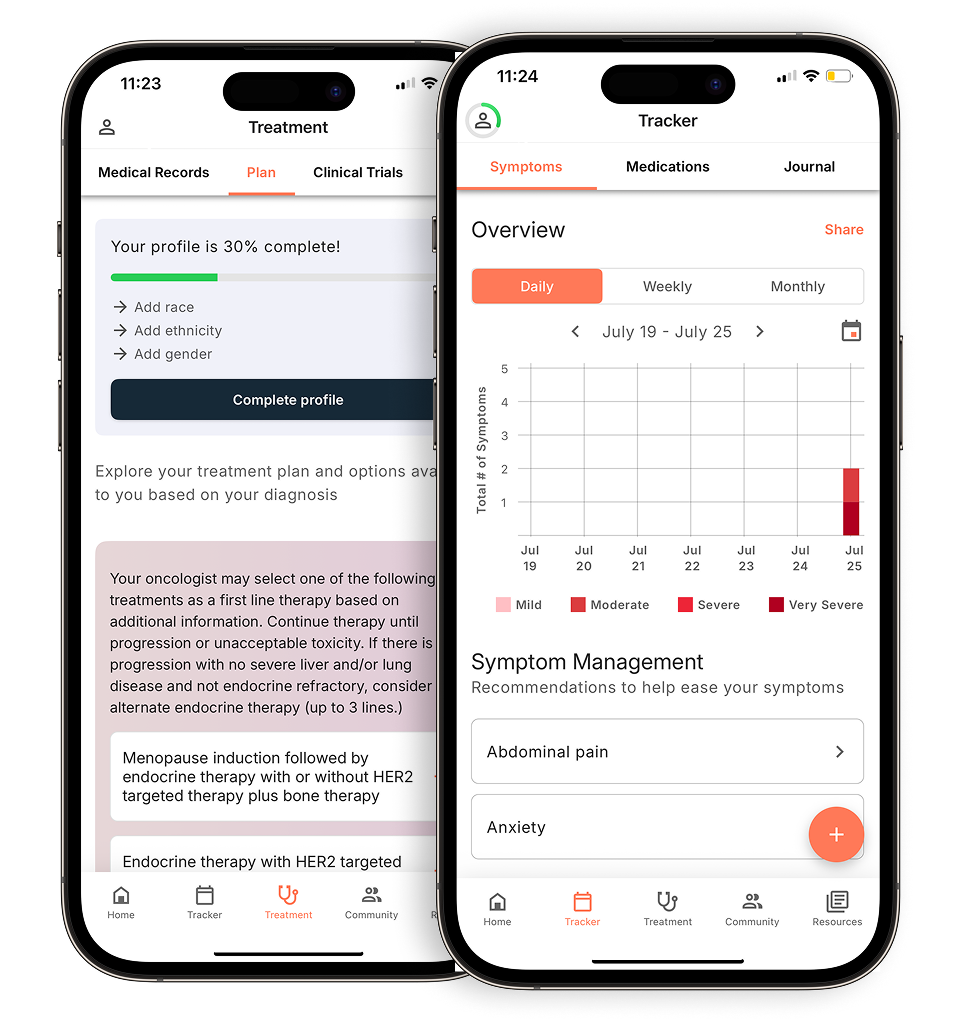
View your personalized treatment plan in the Outcomes4Me app
Use your diagnosis to unlock personalized NCCN Guidelines®-aligned recommendations.
Key Takeaways
- Recognize that symptoms go beyond the lungs: While a persistent cough is a classic sign, lung cancer can also cause unexpected issues like headaches, finger clubbing, or extreme fatigue, making it crucial to pay attention to your whole body.
- Understand the “why” behind unusual signs: Seemingly random symptoms are often caused by a tumor’s specific location pressing on nerves, the cancer spreading to other areas, or the body’s hormonal reaction to the cancer.
- Trust your intuition and talk to your doctor: You are the expert on your own body. If any symptom—common or unusual—feels persistent or unexplained, it’s time to schedule an appointment and share your concerns.
Common vs. Unexpected Lung Cancer Symptoms
When you think of lung cancer, a persistent cough is probably the first thing that comes to mind. And while that’s certainly a key symptom to watch for, it’s far from the only one. Lung cancer can show up in ways that seem completely unrelated to your lungs, making it easy to dismiss or misattribute to something else.
Understanding the full range of possible symptoms—both the common and the unexpected—is one of the most powerful things you can do for your health. It’s about learning to listen to your body and recognizing when something feels off. Often, lung cancer doesn’t cause any noticeable signs in its early stages, so symptoms may only appear as the condition progresses. Knowing what to look for can help you have more informed conversations with your doctor and advocate for the care you need.
Know the Typical Warning Signs
Let’s start with the basics. The most widely recognized symptoms of lung cancer are directly related to the lungs and airways. You might experience a new cough that just won’t go away after a few weeks or a change in a chronic cough you’ve had for years. Other classic signs include recurring chest infections like bronchitis or pneumonia, coughing up blood (even a small amount), and feeling a constant ache or pain in your chest or shoulder. You might also notice you’re more breathless than usual or that your voice has become hoarse. These are the red flags most people are familiar with, and they should always prompt a visit to your doctor.
Why Do Unusual Symptoms Happen?
So, why would lung cancer cause symptoms like finger clubbing or extreme thirst? It often comes down to one of two things: the tumor’s location or hormones. Some tumors can press on nearby nerves or blood vessels, leading to issues like shoulder pain or swelling in the face and neck. In other cases, the cancer cells themselves produce hormone-like substances that disrupt your body’s normal chemistry. This is known as a paraneoplastic syndrome. These syndromes can cause a wide array of symptoms, from high calcium levels in the blood (hypercalcemia) leading to nausea and confusion, to other hormonal imbalances that result in unexplained weight changes or muscle weakness.
Unexpected Neurological Symptoms
When you think of lung cancer, symptoms like coughing or chest pain probably come to mind first. But the disease can also cause changes in your brain and nervous system that might seem completely unrelated. These neurological symptoms can happen for a couple of key reasons. First, cancer can spread, or metastasize, from the lungs to the brain or spinal cord, where tumors can press on sensitive tissue and disrupt normal function. Second, some lung cancers produce hormone-like substances that travel through the bloodstream and interfere with nerve and brain function. This is known as a paraneoplastic syndrome, and it can trigger symptoms in parts of the body far from the actual tumor. It’s a bit like the cancer is sending out confusing signals that throw your body’s communication systems off-balance. Understanding that these symptoms can be linked to lung cancer is crucial because it can lead to an earlier diagnosis or help your care team better manage your treatment plan. Because these signs can be subtle or easily mistaken for other conditions, it’s important to pay attention to any new or unusual neurological changes and discuss them with your healthcare team.
Headaches and Confusion
Persistent headaches that don’t seem to have a clear cause can be a warning sign. Sometimes, a lung tumor can press on a major blood vessel called the superior vena cava, increasing pressure in your head and causing pain. Headaches can also be a result of high calcium levels in the blood, a condition called hypercalcemia, which is sometimes linked to lung cancer. This can also lead to feelings of confusion or brain fog, making it hard to think clearly. If you’re experiencing new, severe, or ongoing headaches, it’s worth discussing with your doctor to figure out the underlying cause.
Memory Problems and Personality Changes
It can be unsettling to notice changes in your memory or personality, or for loved ones to point them out. Lung cancer can sometimes cause the body’s sodium levels to drop, a condition known as hyponatremia. According to Cancer Research UK, this imbalance can lead to confusion, significant personality shifts, and memory issues. These aren’t just minor mood swings; they can be noticeable changes in how you think, feel, and interact with others. If you or someone close to you observes these kinds of changes, it’s a signal to seek medical advice right away, as managing the underlying cause is key.
Seizures and Issues with Coordination
Feeling dizzy, unsteady on your feet, or experiencing unexplained falls can be alarming. These issues with balance and coordination can sometimes be related to lung cancer. A tumor might press on a nerve, or the cancer could lead to anemia, making you feel weak and off-balance. In some cases, lung cancer can spread to the brain, which may cause more severe symptoms like seizures. While this is less common, a seizure is a critical symptom that requires immediate medical attention. Any new trouble with coordination or balance should never be ignored, so be sure to bring it up with your doctor.
Unexplained Physical Changes
Sometimes, the first signs of lung cancer have nothing to do with coughing or chest pain. Instead, they appear as surprising changes in your physical appearance or overall energy levels. These symptoms can be easy to dismiss as signs of aging, stress, or another less serious condition. However, they can also be your body’s way of signaling that something is wrong internally.
Cancer can disrupt the body’s normal processes in complex ways. It might alter your metabolism, affect hormone production, or trigger widespread inflammation. These systemic effects can lead to noticeable changes that seem completely unrelated to your lungs. Paying attention to these shifts is crucial because they can provide early clues. Understanding what to look for can empower you to have a more informed conversation with your doctor and get the answers you need sooner. From sudden weight fluctuations to changes in your fingertips, these physical signs are worth noting.
Sudden, Unintentional Weight Loss
Losing weight without changing your diet or exercise routine can be a red flag. While some people might welcome unexpected weight loss, it’s important to understand why it’s happening. Certain lung cancers can cause your body to produce hormones that disrupt your metabolism. For example, some tumors can lead to high calcium levels in your blood, which can kill your appetite and cause you to eat less, leading to weight loss. On the other hand, some cancers can cause fluid retention and weight gain. Any significant, unexplained change in your weight—up or down—is a valid reason to check in with your doctor.
Extreme Fatigue That Rest Doesn’t Help
This isn’t just feeling tired after a long week. Cancer-related fatigue is a profound sense of exhaustion that a good night’s sleep or a restful weekend can’t fix. It’s a persistent, draining lack of energy that can interfere with your daily life. This happens because cancer cells compete with healthy cells for nutrients and energy. Lung cancer can also impair lung function, meaning your body has to work harder to get the oxygen it needs, which is incredibly draining. If you feel overwhelmingly tired for weeks on end without a clear reason, it’s time to speak with a healthcare professional.
Clubbed Fingers or Nail Changes
One of the more unusual signs of lung cancer can appear at your fingertips. “Finger clubbing” is when the tips of your fingers become larger and the nails curve around them. This happens because some tumors release chemicals and hormones that encourage fluid and tissue to build up in the fingertips. According to the NHS, these changes can include the base of the nail feeling soft or the skin next to the nail bed becoming shiny. In some cases, the nails may also curve inward like a spoon. While other conditions can cause clubbing, it’s a known symptom of lung cancer that shouldn’t be overlooked.
Hormonal and Metabolic Changes
Sometimes, lung cancer can disrupt your body’s internal chemistry. This happens because certain tumors can release hormone-like substances that throw your metabolism off balance. These disruptions are part of a group of conditions called paraneoplastic syndromes, where the cancer causes unusual symptoms in parts of the body far from the tumor itself.
These hormonal shifts can lead to a cascade of changes, from how your body processes minerals like calcium to how it regulates fluids and energy. It’s a complex process, but understanding it can help you connect seemingly random symptoms—like feeling constantly thirsty or noticing sudden weight changes—back to a potential underlying cause. Recognizing these metabolic signals is another important way to stay attuned to what your body is telling you. These symptoms can be confusing, but they provide valuable clues for your healthcare team.
Excessive Thirst and Frequent Urination
If you find yourself constantly reaching for a glass of water and making more trips to the bathroom than usual, it could be more than just dehydration. In some cases of lung cancer, tumors can release a substance that raises the calcium levels in your blood. This condition, known as hypercalcemia, can make you feel extremely thirsty and cause you to urinate frequently as your kidneys work overtime to filter the excess calcium. While many things can cause these symptoms, it’s a notable sign that shouldn’t be overlooked, especially if it appears alongside other changes in your health.
Muscle Weakness and Bone Pain
A deep, persistent ache in your bones—especially in your back, pelvis, or the large bones in your arms and legs—can be a sign that lung cancer has spread. This type of pain often feels worse at night or when you’re moving around. You might also experience a general feeling of muscle weakness, which can be related to high calcium levels or the overall toll the cancer is taking on your body. It’s easy to dismiss this as a normal part of aging or a minor injury, but if the pain is persistent and doesn’t have a clear cause, it’s crucial to discuss it with your doctor.
Shifts in Blood Sugar Levels
Your metabolism is a delicate balancing act, and lung cancer can sometimes disrupt it, leading to confusing shifts in weight and appetite. Certain tumors can produce hormones that cause your body to retain fluid and gain weight, even if you aren’t eating more. On the other hand, the high calcium levels we mentioned earlier can suppress your appetite, leading to unintentional weight loss. These contradictory effects highlight how different types of lung cancer can impact the body’s hormonal systems in unique ways. Any significant, unexplained change in your weight or appetite is worth investigating with your healthcare team.
Heart and Circulation Warning Signs
It might seem strange to connect lung cancer with your heart or circulation, but the two systems are closely linked. A tumor in the chest can physically press on major blood vessels, while the cancer itself can cause chemical changes in your body that affect your blood and heart function. These symptoms can be subtle and may not immediately point to a lung issue, which is why it’s so important to be aware of them. Paying attention to changes in swelling, your heartbeat, or any signs of blood clots can provide crucial clues about what’s happening inside your body. If you notice any of these signs, it’s a signal to connect with your healthcare team.
Swelling in the Face, Neck, or Arms
Waking up with a puffy face or noticing that your necklaces or shirt collars feel tighter can be more than just a minor annoyance. When a lung tumor, particularly one in the upper part of the lungs, grows large enough, it can press on a major blood vessel called the superior vena cava. This vein is responsible for carrying blood from your head, neck, and arms back to your heart. If it gets compressed, blood can back up, causing swelling in these areas. You might also notice a bluish-red tint to your skin. This condition, known as superior vena cava syndrome, requires prompt medical attention.
Unexpected Blood Clots
Having cancer can unfortunately increase the risk of developing blood clots. This happens because cancer can trigger inflammation throughout the body, making your blood more likely to form clots, especially in the deep veins of your legs or arms. A clot in your leg might cause pain, swelling, redness, and warmth in the affected area. If a piece of that clot breaks off and travels to your lungs, it can cause a life-threatening pulmonary embolism, with symptoms like sudden shortness of breath and sharp chest pain. Because people with lung cancer are more susceptible to blood clots, it’s vital to recognize the signs and seek immediate medical help if you suspect one.
Irregular Heart Rhythms
Feeling like your heart is fluttering, racing, or skipping a beat can be unsettling. While many things can cause an irregular heartbeat, it can sometimes be linked to lung cancer. Certain types of lung cancer can disrupt your body’s normal calcium levels, leading to a condition called hypercalcemia. Very high calcium levels can interfere with your heart’s electrical signals, causing palpitations or a rapid heartbeat. Anemia, another common issue for people with cancer, can also force your heart to work harder and beat faster to circulate oxygen. If you experience a new or persistent irregular heartbeat, especially alongside other symptoms, be sure to discuss it with your doctor.
Bone, Muscle, and Pain-Related Symptoms
When you think of lung cancer, aches and pains might not be the first thing that comes to mind. However, discomfort in your bones, muscles, and joints can sometimes be an early signal. This type of pain can happen when a growing tumor presses on nearby nerves or when cancer has spread to the bones, a process known as metastasis. While many things can cause body aches, persistent and unexplained pain is always worth discussing with your doctor. Understanding these less-common symptoms can help you advocate for your health and get answers sooner.
Shoulder and Arm Pain
If you’re experiencing nagging pain in your shoulder or down your arm without a clear cause, it’s important to pay attention. Sometimes, a tumor growing in the upper part of the lung, known as a Pancoast tumor, can put pressure on the nerves leading to your arm and shoulder. This can result in a persistent, sharp, or aching pain that isn’t related to any recent injury. While shoulder pain is common, pain that doesn’t improve with rest or typical remedies should be evaluated by a healthcare professional to rule out any serious underlying issues.
Joint Pain or Arthritis-Like Symptoms
Have you noticed new pain in your joints that feels a lot like arthritis? In some cases, lung cancer can cause these kinds of symptoms. When cancer spreads to the bones, it can lead to pain in the spine, pelvis, or the large bones in your arms and legs. This discomfort often feels different from typical muscle soreness—it might get worse when you move, intensify at night, or feel more severe when you’re lying down. Because these feelings can easily be mistaken for common arthritis, it’s crucial to mention any new or worsening joint pain to your doctor.
Unexplained Back Pain
Back pain is incredibly common, but when it’s persistent and you can’t pinpoint a reason for it, it could be a sign of something more. Unexplained back pain can be a symptom of lung cancer, particularly if a tumor is positioned in a way that it presses on nerves in your back. It can also occur if the cancer has spread to your spine. The pain might feel like a dull ache or a sharp sensation. If you have back pain that doesn’t get better over time or isn’t related to physical strain, bringing it up with your doctor is a proactive step for your health.
Voice and Breathing Changes (Besides a Cough)
When we think about lung cancer symptoms, a persistent cough is usually the first thing that comes to mind. But your body can send other signals related to your voice and breathing that are just as important to pay attention to. These changes can be subtle and easy to dismiss as something else, like allergies or getting older. However, understanding these less-common symptoms can help you advocate for your health and get the answers you need sooner. If a tumor develops in a certain location, it can press on nerves, block airways, or affect nearby structures like your esophagus, leading to some surprising changes. It’s about listening to your body and trusting that you know when something feels off, even if it doesn’t fit the classic description of a symptom. These signs are your body’s way of communicating, and learning to interpret them is a powerful tool for managing your health.
A Hoarse Voice
We all get a scratchy or hoarse voice from time to time, whether from a cold, cheering too loudly at a game, or talking all day. Usually, it gets better with a little rest and some tea. But if you notice a change in your voice that lasts for more than a couple of weeks and you can’t pinpoint a reason for it, it’s worth a conversation with your doctor. A tumor can sometimes press on or damage the nerves that control your voice box (larynx), leading to persistent hoarseness or a raspy quality to your voice. This is one of those symptoms that’s easy to ignore, but paying attention to a lasting change in your voice is a key part of monitoring your overall health.
Difficulty Swallowing
Feeling like food is getting stuck in your throat or experiencing pain when you swallow can be unsettling. This sensation, known as dysphagia, can be a less common but significant symptom of lung cancer. It can happen if a tumor grows near your esophagus—the tube that carries food from your throat to your stomach—and puts pressure on it. It might also occur if cancer spreads to the lymph nodes in your chest, causing them to swell and narrow the esophagus. If you find yourself changing your diet to softer foods or avoiding eating because it’s uncomfortable, don’t write it off. Trouble swallowing is always a reason to seek medical advice.
Shortness of Breath During Everyday Activities
It’s normal to feel winded after a strenuous workout, but feeling breathless during routine activities is a different story. If you find yourself struggling to catch your breath while walking to the mailbox, carrying groceries, or climbing a single flight of stairs, your body might be trying to tell you something. This type of shortness of breath, or dyspnea, can happen if a tumor is blocking a major airway or if fluid builds up around the lungs. While it’s a common symptom as lung cancer progresses, it can also be an early sign. It’s important to distinguish this from normal exertion and discuss any new or worsening shortness of breath with your healthcare provider.
Why Symptoms Vary From Person to Person
It’s important to remember that lung cancer presents differently in everyone. Some people don’t experience any noticeable signs in the early stages. When symptoms do appear, they can easily be mistaken for common illnesses like bronchitis or pneumonia, which can unfortunately delay a diagnosis. According to the NHS, symptoms often don’t become apparent until the cancer has advanced.
This variation happens for a few key reasons. The specific type of lung cancer, its location in the lungs, and whether it has spread to other parts of the body all play a major role in the symptoms you might experience. Additionally, some lung cancers can trigger complex hormonal and metabolic changes throughout the body, leading to symptoms that seem completely unrelated to your lungs. Understanding these factors can help you make sense of what you’re feeling and have a more informed conversation with your doctor.
What Influences Your Symptoms
Sometimes, lung cancer can cause symptoms that have nothing to do with breathing. This can happen when a tumor produces hormone-like substances that disrupt your body’s normal balance. For example, some lung cancers release a hormone that causes your body to retain fluid and gain weight. Others can lead to high calcium levels in the blood (hypercalcemia), which might cause you to lose your appetite, feel nauseous, or become constipated. These systemic effects, known as paraneoplastic syndromes, are your body’s reaction to the cancer and can be one of the first signs that something is wrong.
How Symptoms Differ by Cancer Type
The location of a tumor is a major factor in the kinds of symptoms you might notice. A tumor growing in a specific spot can press on nearby nerves, bones, or blood vessels, causing localized pain and other issues. For instance, a Pancoast tumor is a type of lung cancer that grows in the upper part of the lung. Because of its location, it can cause sharp pain in the shoulder blade, upper back, or arms, and may even lead to numbness or tingling in your hands. Similarly, if a tumor spreads to nerves in the neck, it can cause a condition called Horner Syndrome, which results in a droopy eyelid and reduced sweating on one side of the face.
When to Talk to Your Doctor
It’s easy to dismiss a new ache or a lingering cough as just a part of life. But you know your body best, and paying attention to its signals is one of the most important things you can do for your health. If something feels off, especially if it persists, it’s always worth talking to a professional. Getting answers can provide peace of mind and, if needed, get you on the right path to care as quickly as possible. Early detection often leads to more effective treatment, so speaking up about your concerns is a crucial first step.
Signs You Shouldn’t Ignore
If you experience any persistent, unexplained symptoms, it’s time to make an appointment. This includes common signs like a chronic cough or breathlessness, as well as any of the more unusual symptoms we’ve discussed. Pay close attention to things like unexplained weight loss, deep fatigue that doesn’t improve with rest, or several concerning symptoms that appear together. It’s important to remember that anyone can get lung cancer, whether you have a history of smoking or not. Finding lung cancer early and getting a prompt diagnosis can lead to better treatment results, so don’t wait for symptoms to become severe before seeking medical advice.
How to Prepare for Your Appointment
To make the most of your doctor’s visit, a little preparation goes a long way. Before you go, write down all your symptoms, noting when they started and what makes them better or worse. Be ready to discuss your full health history. If you have a history of smoking, you can ask your doctor about your eligibility for a lung cancer screening test. Be specific about what you’re experiencing, whether it’s a cough that won’t go away, chest pain, trouble breathing, or frequent lung infections. This information gives your doctor the clear picture they need to determine the next steps.
What Causes These Unexpected Symptoms?
It can feel confusing when you hear about lung cancer causing symptoms that seem completely unrelated to breathing, like shoulder pain or digestive issues. But there are clear reasons why this happens. The unexpected signs of lung cancer often stem from one of three main causes: the cancer spreading to other parts of the body, the body’s hormonal reaction to the cancer, or the specific location of the tumor within the chest.
Understanding the “why” behind these symptoms can help you connect the dots and feel more empowered in conversations with your healthcare team. Each of these causes creates a different set of signals, which is why one person’s experience with lung cancer can be so different from another’s. By looking at how the cancer is interacting with your body as a whole, these unusual symptoms start to make much more sense.
How Cancer Can Spread Beyond the Lungs
When cancer cells from the original tumor in the lung break away, they can travel through the bloodstream or lymphatic system to other areas of the body. This process is called metastasis. If lung cancer metastasizes, it can form new tumors in distant organs, leading to symptoms in those specific locations.
For example, if cancer spreads to the brain, it might cause headaches, dizziness, or seizures. If it reaches the bones, you might experience deep bone pain or fractures. Symptoms like jaundice (yellowing of the skin and eyes) can occur if the cancer has spread to the liver. These signs don’t seem connected to the lungs at first, but they are a direct result of the cancer’s growth in a new part of the body.
Paraneoplastic Syndromes and Hormonal Shifts
Sometimes, the body has a powerful reaction to the presence of cancer that causes its own set of symptoms. These are known as paraneoplastic syndromes. They happen when the cancer itself, or your immune system’s response to it, produces hormone-like substances that throw your body’s chemistry off balance.
For instance, some lung cancers release a substance that increases calcium levels in the blood, a condition called hypercalcemia. This can lead to frequent urination, excessive thirst, constipation, and nausea. Other tumors might produce a hormone called ACTH, causing fluid retention and weight gain. These hormonal shifts are not caused by the cancer spreading, but by the chemical changes the tumor triggers throughout your body.
How a Tumor’s Location Affects Symptoms
Even if the cancer hasn’t spread, the tumor’s exact location within the chest can cause surprising symptoms. A tumor can press on nearby nerves, blood vessels, or other structures, interfering with their normal function. For example, a Pancoast tumor, which grows at the very top of the lung, can press on nerves leading to the arm and shoulder. This can cause severe shoulder pain or numbness and tingling in the hands.
In other cases, a tumor might grow near the superior vena cava, a major vein that carries blood from the head and arms back to the heart. If the tumor presses on this vein, it can block blood flow, causing blood to back up. This leads to noticeable swelling in the face, neck, and arms, a condition known as superior vena cava syndrome.
Related Articles
- Is voice loss a symptom of lung cancer? | Outcomes4Me Community
- Metastatic Lung Cancer Symptoms: Red Flags & Early Warning Signs
- Is Shoulder Blade Pain a Sign of Lung Cancer? What It Feels Like
View your personalized treatment plan in the Outcomes4Me app
Use your diagnosis to unlock personalized NCCN Guidelines®-aligned recommendations.
Frequently Asked Questions
Why would lung cancer cause symptoms like dizziness or bone pain instead of just a cough? It really comes down to the cancer’s behavior and location. A tumor can grow in a spot where it presses on a nerve, leading to shoulder or arm pain. In other cases, cancer cells can travel to other parts of the body, like the brain or bones, causing symptoms there. Some tumors also release hormone-like substances that disrupt your body’s chemistry, leading to issues like fatigue or high calcium levels that seem completely unrelated to your lungs.
Is it possible to have lung cancer without any of the classic symptoms, like a persistent cough? Yes, it’s definitely possible. Some people, especially in the early stages, don’t have any noticeable symptoms at all. For others, the very first sign might be one of the more unexpected ones, like unexplained weight loss or a hoarse voice. This is why it’s so important to pay attention to any new or lasting changes in your body, even if they don’t seem to fit the typical picture.
If I have one of these unusual symptoms, does it automatically mean I have cancer? Not at all. Nearly all of the symptoms discussed can be caused by a wide range of other, more common health conditions. The goal isn’t to cause alarm, but to help you be more aware of your body. The key is to look for symptoms that are persistent, don’t have a clear explanation, or show up in combination with other changes. When in doubt, talking to your doctor is the best way to get clarity and peace of mind.
What’s the difference between symptoms caused by the cancer spreading and those from hormonal changes? Think of it as a direct versus an indirect effect. When cancer spreads, or metastasizes, it forms new tumors in other areas, causing direct symptoms in that location—like headaches if it spreads to the brain. Hormonal changes, known as paraneoplastic syndromes, are an indirect effect. This is when the lung tumor itself releases substances that travel through the bloodstream and disrupt your body’s systems, causing widespread issues like muscle weakness or excessive thirst.
Some of these symptoms seem minor. When should I actually be concerned enough to see a doctor? You are the best judge of what’s normal for your body. A good rule of thumb is to make an appointment for any new symptom that sticks around for more than a few weeks without a clear reason. If you feel a profound sense of fatigue that sleep doesn’t fix, notice you’re losing weight without trying, or have a nagging pain that won’t go away, it’s time to get it checked out. It’s always better to be proactive and get answers.