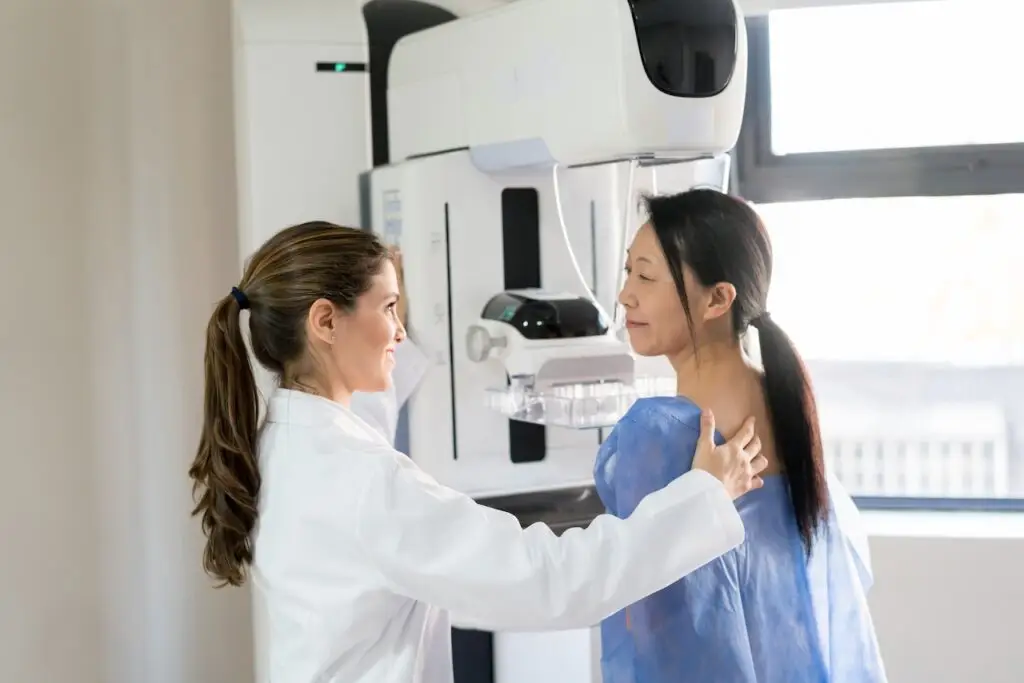
What is HR+ metastatic breast cancer?
When you hear the words hormone receptor-positive metastatic breast cancer (HR+ mBC), it can feel overwhelming. Let’s break that diagnosis down:
- Hormone Receptor-Positive (HR+) means that the breast cancer cells have receptors (like “docking stations”) for estrogen or progesterone — hormones that help the cancer grow.
- Metastatic means the cancer has spread beyond the breast and nearby lymph nodes to other parts of the body. This is also called Stage IV breast cancer.
While HR+ mBC isn’t considered curable, it’s treatable. Many people live for years with the right combination of treatment, monitoring, and support. Understanding how and where it spreads can help you take an active role in managing your health.
How breast cancer spreads
In metastatic cancer, cancer cells break away from the original tumor and travel through your bloodstream or lymphatic system. This allows them to settle and grow in other parts of your body. Even when the cancer spreads to another organ, it’s still the original (primary) cancer. For example, if breast cancer spreads to the bones, it’s still breast cancer, not bone cancer.
Where does HR+ breast cancer spread?
Every person’s experience is unique, but HR+ breast cancer tends to follow certain patterns when it spreads. Some of the common sites for mBC are:
Evidence-based guidance powered by NCCN Guidelines®
Personalized treatment plans shaped by the latest oncology standards—tailored to your diagnosis.
Get started
View your personalized treatment plan in the Outcomes4Me app
Use your diagnosis to unlock personalized NCCN Guidelines®-aligned recommendations.
Continue in app
1) Bones
The bones are the most common site for HR+ mBC. The spine, ribs, pelvis, hips, and long bones of the arms and legs are frequent locations. Common symptoms of bone metastases include aching or sharp pain, especially in the back, hips, or shoulders, along with swelling or tenderness over the bone. The pain may feel worse at night or when you move.
There are several ways your care team will monitor your bone health when you have breast cancer, including bone scans, X-rays, CT scans, MRI’s, and blood tests. Your care team may also treat you with bone-strengthening medications (such as bisphosphonates or denosumab) to help protect your bones.
2) Liver
The liver works to filter toxins and process nutrients, so when cancer spreads here it can impact digestion and energy. Symptoms of liver metastases include pain or discomfort in the upper right side of your abdomen, bloating, nausea, loss of appetite, unexplained weight loss, fatigue, and jaundice, which is the yellowing of your skin or eyes.
Blood tests can check how your liver is working, along with ultrasound, CT scans, or MRIs to check for liver metastases. Treatments for HR+ breast cancer that has moved to your liver include hormone therapy, targeted therapy, chemotherapy, or localized treatments directed at the tumors. Your care team may also recommend radiation therapy to reduce your symptoms and control the cancer’s growth.
3) Lungs
When breast cancer spreads to the lungs, it may not cause symptoms right away. As the disease progresses, you may develop breathing problems, persistent cough, or chest pain. To find and monitor your lungs, your doctor may recommend chest X-rays, CT scans, or PET scans. If breast cancer has metastasized to your lungs, treatments may include hormonal therapy, chemotherapy, or targeted therapy. Other options include radiation therapy or surgery to alleviate symptoms.
4) Brain
Symptoms of brain metastases include headache, dizziness and loss of balance, changes in speech, vision or memory, and nausea and vomiting. An MRI can detect brain metastases, though your care team may also recommend a CT or PET scan.
As with the metastatic sites described above, your oncology team may treat HR+ mBC brain metastases with hormonal therapy, chemotherapy, or targeted therapy, along with local therapies like radiation and surgery, to reduce symptoms and target tumors.
Other metastatic sites
HR+ breast cancer can also spread to other areas such as the skin, causing lumps or skin changes, and lymph nodes in other parts of the body. If you notice any new or unusual symptoms, it’s important to let your healthcare team know.
Coping with symptoms and staying supported
Living with metastatic breast cancer can feel physically and emotionally draining. You don’t have to face it alone. Here are some actions to help you:
1) Communicate symptoms to your care team: Don’t wait until your next scheduled visit if something feels “off.” Early reporting can lead to earlier intervention and better comfort.
2) Manage side effects: Treatments for metastatic breast cancer can cause side effects like fatigue, nausea, or bone pain. Your care team can help manage these to keep your quality of life as high as possible.
3) Find emotional support: Living with mBC is a marathon, not a sprint. Look for support groups, counseling, or peer programs to help you cope with the toll of mBC.
4) Lean on your circle: Friends, family, and caregivers can help you with tasks big and small. Let them know how they can support you, whether for a ride to treatment, help with meals, or just listening.
5) Stay active if you can: Movement, like walking or stretching, can help keep your body strong and improve your mood. Always check with your care team about safe activities for you.
HR+ metastatic breast cancer most commonly spreads to the bones, liver, lungs, and brain. Each area comes with its own set of symptoms and treatment considerations. By understanding the signs to watch for and working closely with your healthcare team, you can take an active role in managing your health and well-being.
Learn more
If you would like to get more detail on HR+ MBC, here are a few reputable online resources:
Connect with other breast cancer patients using the Outcomes4Me private peer community.
Personalized support for real care decisions
Understand your diagnosis, explore clinical trials, and track symptoms--all in one place.
Get started
Compare treatments, prepare for appointments, and track side effects—all in the app
Built for your diagnosis, Outcomes4Me gives you the tools to make confident, informed decisions—right when you need them.
Continue in app