Doomscrolling and cancer: How to protect your mental health online
When you’re going through cancer treatment, it seems natural to turn to the internet and search online for information, answers, and even connections with others who are sharing the same experience. For so many of us, whether we’re going through cancer treatment or not, we often get lost in the activity of “doomscrolling” and find ourselves overwhelmed by too much information, some of which may not even be true or rooted in facts. You may find yourself having more questions than answers and feeling more anxious than before. While the internet and social media can be incredibly helpful, here are some ways to use them productively.
What is doomscrolling?
Doomscrolling is when you get lost in consuming negative news or information online or on social media. The term gained traction in 2020 during the COVID-19 pandemic and was even named as one of Oxford English Dictionary’s words of the year. Although the phenomenon often refers to being unable to detach from the current news cycle, any consumption of negative information for long periods of time is considered doomscrolling, including content related to cancer.
Evidence-based guidance powered by NCCN Guidelines®
Personalized treatment plans shaped by the latest oncology standards—tailored to your diagnosis.
Get started
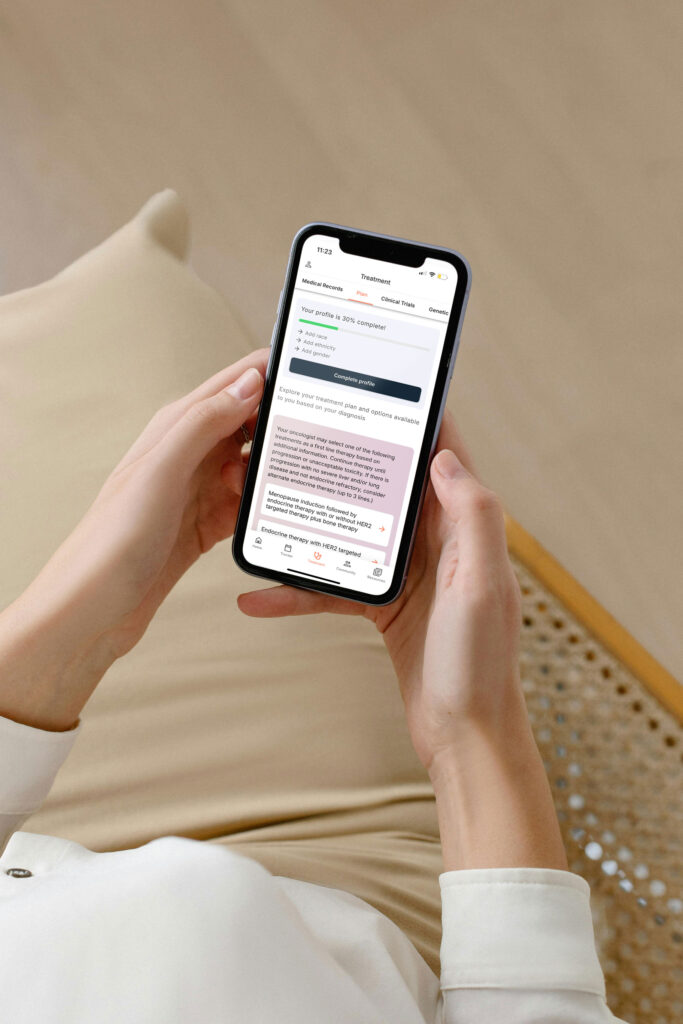
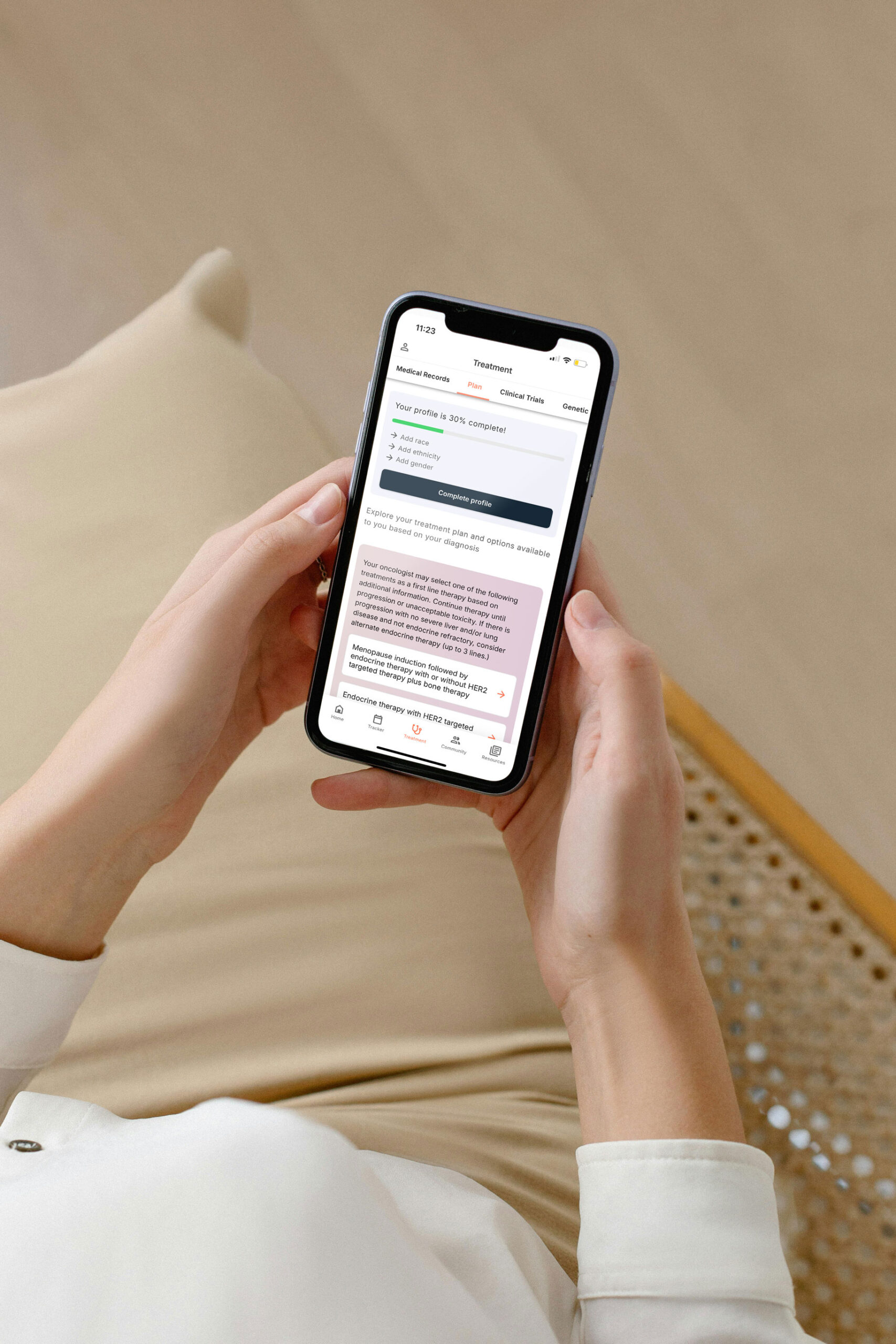
View your personalized treatment plan in the Outcomes4Me app
Use your diagnosis to unlock personalized NCCN Guidelines®-aligned recommendations.
Continue in app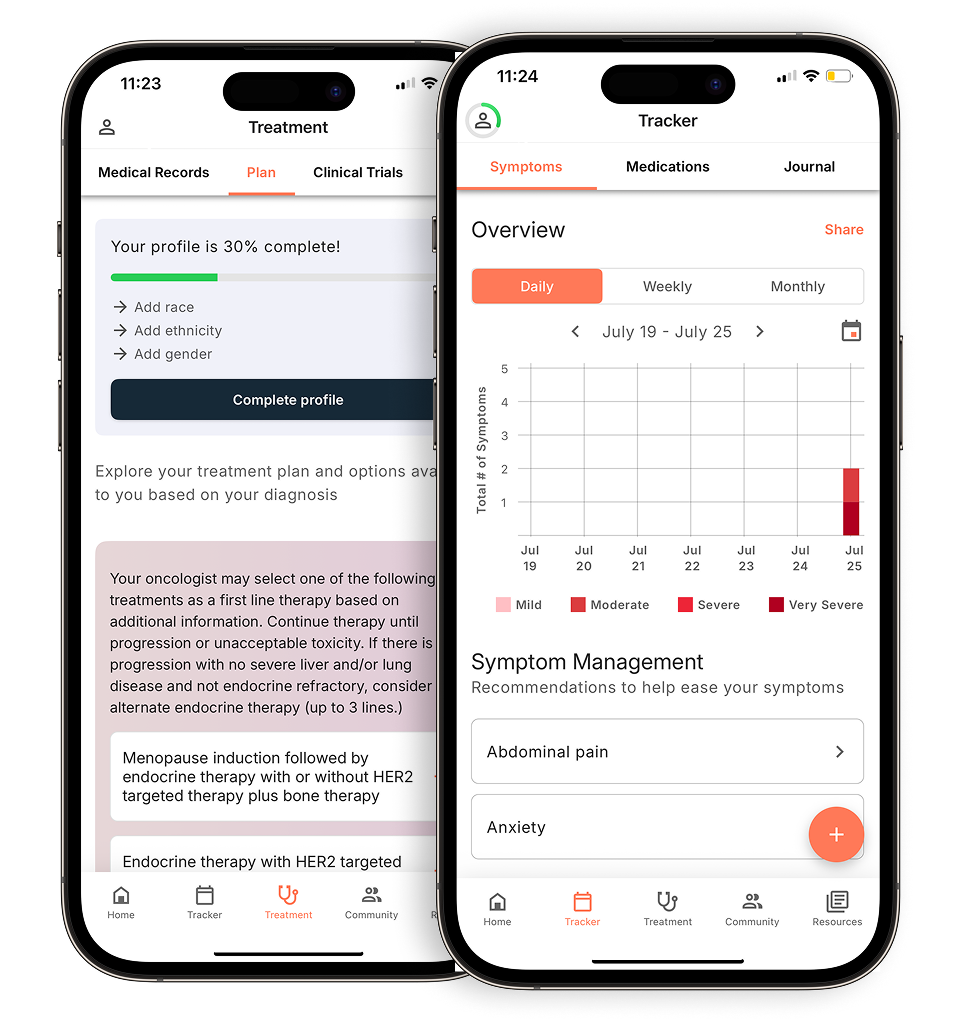
A Stanford University study revealed that over half of U.S. adults get their news online from social media platforms, where emotionally charged and negative content tends to perform better than positive content. As a cancer survivor or patient, fear-mongering content can be particularly harmful and misleading. You might come across clickbait-y content that oversimplifies a complex topic, reducing it to a black-and-white narrative. For example, you might have seen people online falsely claiming that sugar causes cancer or that mammograms are harmful because of radiation. This information is not only inaccurate, but it can cause anxiety and paranoia during an already challenging time.
Why is doomscrolling bad for you?
Doomscrolling can harm your mental health and well-being, leaving you feeling more anxious, depressed, and overwhelmed with a sense of impending doom that lingers even after you put the phone away. It can also cause changes in your physical health, with symptoms like headaches, loss of appetite, muscle tension, neck pain, shoulder pain, and insomnia. One study revealed that the more time participants spent on social media before bed, the harder it was to fall asleep due to a racing mind. People with cancer are already at a higher risk of mental health conditions and sleep problems, and doomscrolling can exacerbate these risks.
What can you do to stop or slow down doomscrolling?
From the Cleveland Clinic to Psychology Today to Harvard Health, experts have similar advice on what you can do to limit your screen time and scrolling.
Their tips include:
- Put your phone away
When you’re in bed, try charging your phone on the opposite side of the room so you can’t reach it while trying to fall asleep. In the morning, try not to look at social media or the news until after you’ve had breakfast and settled into your day’s schedule.
- Time yourself
If you’re having a hard time letting go of your phone and disconnecting, set a timer on your phone or watch to limit your time online. When your timer goes off, close out of the apps and do something else.
- Stay mindful
You may be doomscrolling without even realizing it. Take a pause every time you pick up your phone, and try to recognize your behavior. Why are you picking up your phone? Is there something you want to check or has it become a subconscious habit to scroll? Instead of reaching for your phone, use the time to practice mindfulness or try adult coloring books.
- Examine your sources
Keep in mind that content on social media is created for virality and fact-checking isn’t required. Some creators even spend money to ensure that you see their content first. If you’re online, stick to legitimate and reputable resources. Look for information from established medical institutions, government health agencies, or peer-reviewed journals. If you’re unsure, cross-reference the information with other reliable sources or talk to your healthcare team.
Try not to click on anything you find through Google search that says “paid advertising” above the post. Additionally, be mindful of any paid or sponsored posts on social media where a product or service is being promoted.
- Fight the negative with gratitude
Doomscrolling by nature is negative, so if you just can’t stop scrolling, try and turn the negative into a positive by thinking about what you’re grateful for. Even if you’re going through treatment, not feeling well, or totally disenchanted by what you’ve read online, maybe you’ve become closer with your family or found companionship with a new pet? Focus on the good things and see how practicing (and even writing about) gratitude can turn the tide.
- Try a hard stop
We’ve all probably thought about going cold turkey and completely disconnecting from social media, but it’s easier said than done. Try to take some mini daily breaks, take a walk outside if you can, read a book, and if you have a medical question, ask your care team. If you need more resources, they can refer you to a licensed therapist to help you break the doomscrolling habit.
As always, if you would like to connect with an Outcomes4Me oncology nurse practitioner at no charge through the Outcomes4Me app, just use the “Ask Outcomes4Me” button.
Personalized support for real care decisions
Understand your diagnosis, explore clinical trials, and track symptoms--all in one place.
Get started
Compare treatments, prepare for appointments, and track side effects—all in the app
Built for your diagnosis, Outcomes4Me gives you the tools to make confident, informed decisions—right when you need them.
Continue in app