No matter where you live in the U.S., chances are you’re starting to experience the heat that comes along with summer and finding yourself out in the sun more often than usual. With all that sun comes a need to protect yourself and your skin, especially after a cancer diagnosis. Cancer treatments like radiation therapy and chemotherapy can make you more sensitive to the sun, even months after treatment, so staying sun-safe should be top of mind.
The month of July is UV Awareness Month, created by the AAD (American Academy of Dermatology). This month-long initiative focuses on educating the public on the importance of skin protection and sun safety year-round. In recognition of this initiative, we’re providing tips on how to protect your skin and addressing some of the misconceptions about sunscreen.
First, what exactly is UV radiation?
Evidence-based guidance powered by NCCN Guidelines®
Personalized treatment plans shaped by the latest oncology standards—tailored to your diagnosis.
Get started
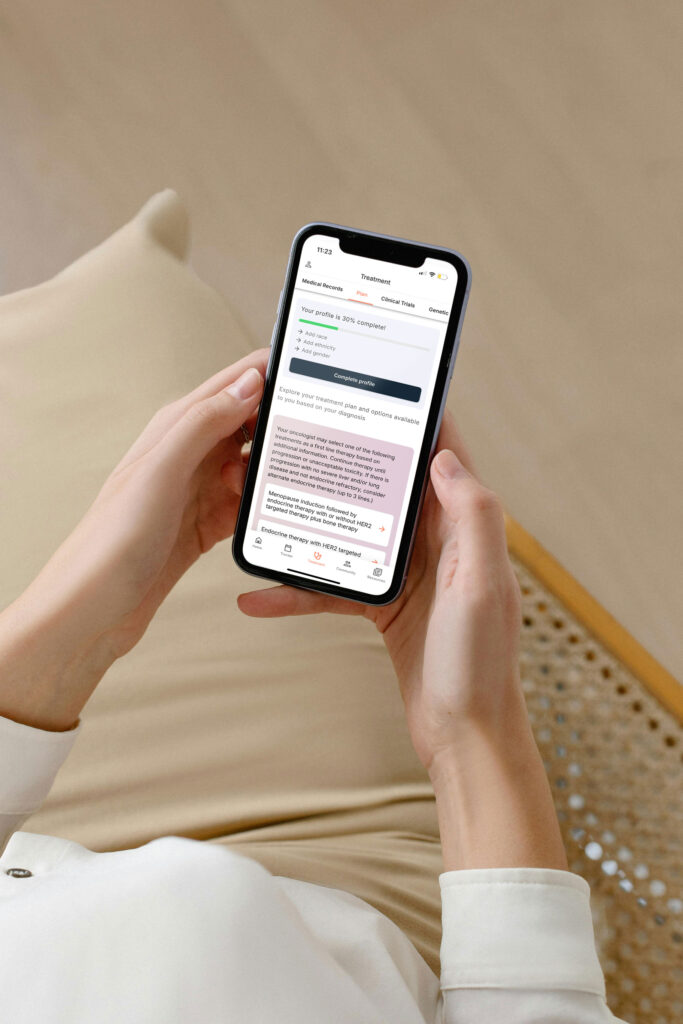
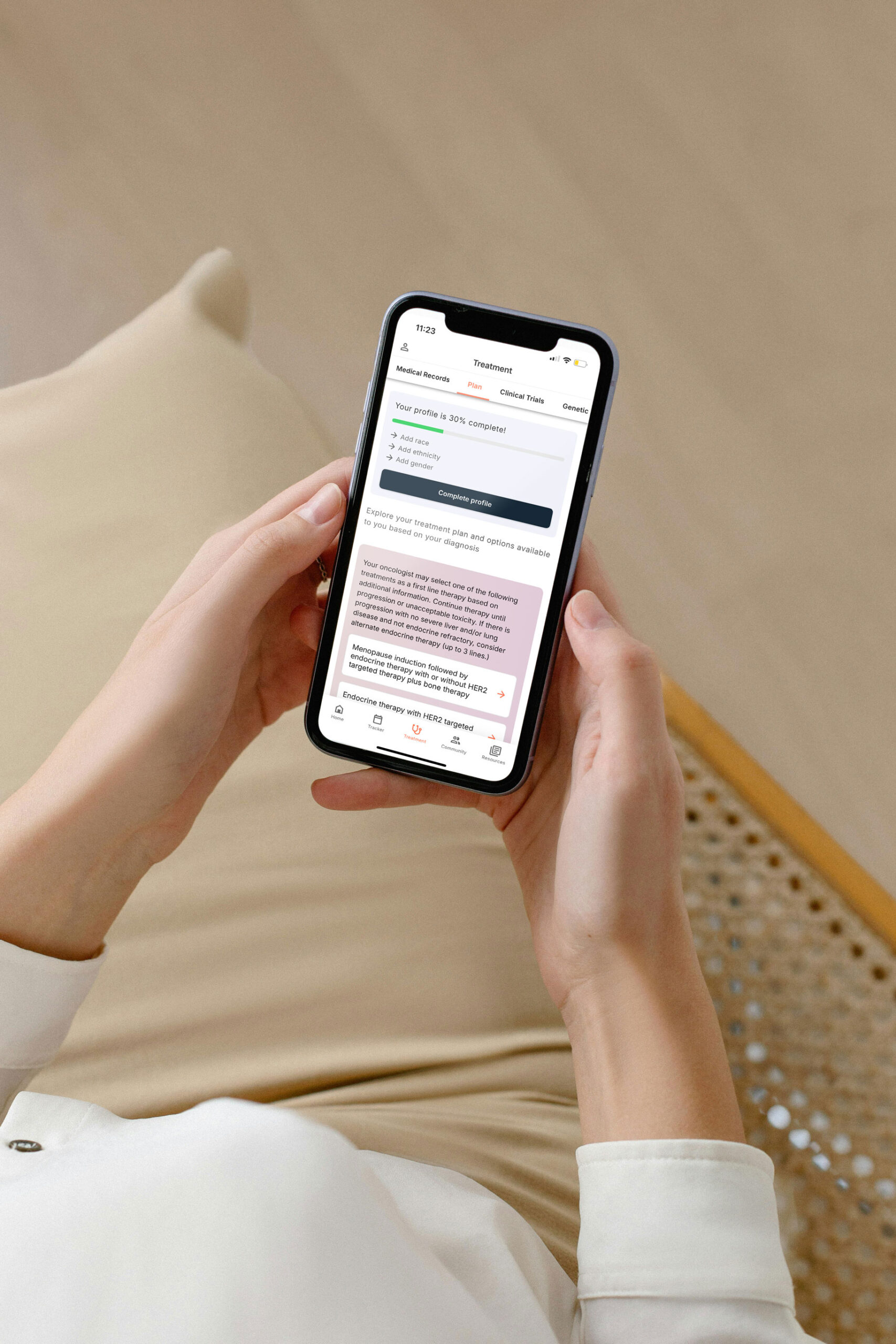
View your personalized treatment plan in the Outcomes4Me app
Use your diagnosis to unlock personalized NCCN Guidelines®-aligned recommendations.
Continue in app
UV, or ultraviolet, radiation is a type of radiation that comes from the sun and tanning beds. UV rays are known to be a major risk factor for skin cancer and is the number one cause of a skin cancer diagnosis. There are different types of UV rays that reach us: UVA and UVB. While the Earth’s atmosphere blocks some UVB rays, it doesn’t protect us from UVA rays (most UVA radiation reaches the Earth’s surface). Broad-spectrum sunscreens protect you from both UVA and UVB rays that can damage your skin.
How do you protect your skin from UV rays?
There are many ways you can protect your skin from UV rays. One of the best things you can do is avoid tanning beds or tanning devices.
When it comes to protecting your skin from the sun, below are some tips to follow:
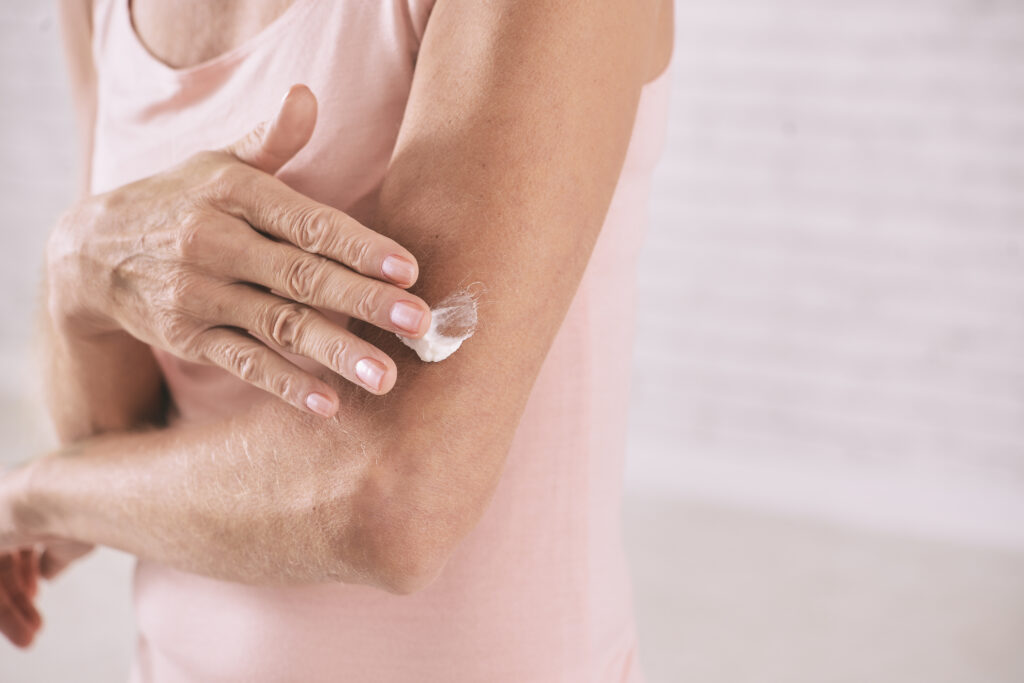
- Wear sunscreen: Use a broad-spectrum brand that filters out both UVA and UVB rays, with at least SPF 30. Remember to reapply every two hours, especially if you’re swimming and/or sweating.
- Stay in the shade: Sit under an umbrella or stay inside. Don’t forget to wear sunscreen even if you remain in a shaded area.
- Try staying inside when UV rays are at their strongest: UV rays are typically at their strongest from 10am-4pm. Try to avoid direct sunlight during this time and seek shade if you’re outside.
- Wear UV protection-certified clothing: UV-protective clothing can help block out UV rays. If that’s not available for you, darker clothing or tightly-woven materials are options too.
- Wear a hat: Find a wide-brimmed hat that preferably covers your ears and the back of your neck.
- Use sunglasses: Protect your eyes from the UV rays and reduce your risk of cataracts.
Does sunscreen cause cancer?
With the rise of social media, misinformation can spread quickly. Recently, findings from a 2020 clinical trial were misrepresented, and many creators incorrectly claimed that sunscreen can cause cancer. This resulted in the dangerous recommendation to not wear sunscreen at all.
On the contrary, the FDA has addressed this research directly, by explaining that some active ingredients found in sunscreen can be absorbed into your bloodstream, but not in quantities that are harmful or cause cancer. There has been research that’s solely called out sunscreens with the ingredient benzene. Benzene is not an ingredient used in sunscreens, but it can sometimes find its way into some sprays during the manufacturing process. The aerosol sunscreens where benzene was found were recalled by the FDA in 2020-2022, so they’re no longer on drugstore shelves and available to the public.
If you’re still concerned about using sunscreen, you can use SPF 30 mineral sunscreens. Additionally, always speak to your own medical care team about sunscreen use and what they recommend for your individual diagnosis.
At the end of the day, we should always be mindful of sun protection every single day, rain or shine, summer or winter. Approximately 80% of the sun’s rays can still reach you even if it’s cloudy out, so make sun safety a part of your daily routine.
As always, if you would like to connect with an Outcomes4Me oncology nurse practitioner at no charge through the Outcomes4Me app, just use the “Ask Outcomes4Me” button.
The information provided on this blog is for educational and informational purposes only and is not intended as medical advice. Always consult your own healthcare provider for medical questions or advice about your care.
*When you purchase from a link on this page, we may receive a small affiliate commission.
Personalized support for real care decisions
Understand your diagnosis, explore clinical trials, and track symptoms--all in one place.
Get started
Compare treatments, prepare for appointments, and track side effects—all in the app
Built for your diagnosis, Outcomes4Me gives you the tools to make confident, informed decisions—right when you need them.
Continue in app