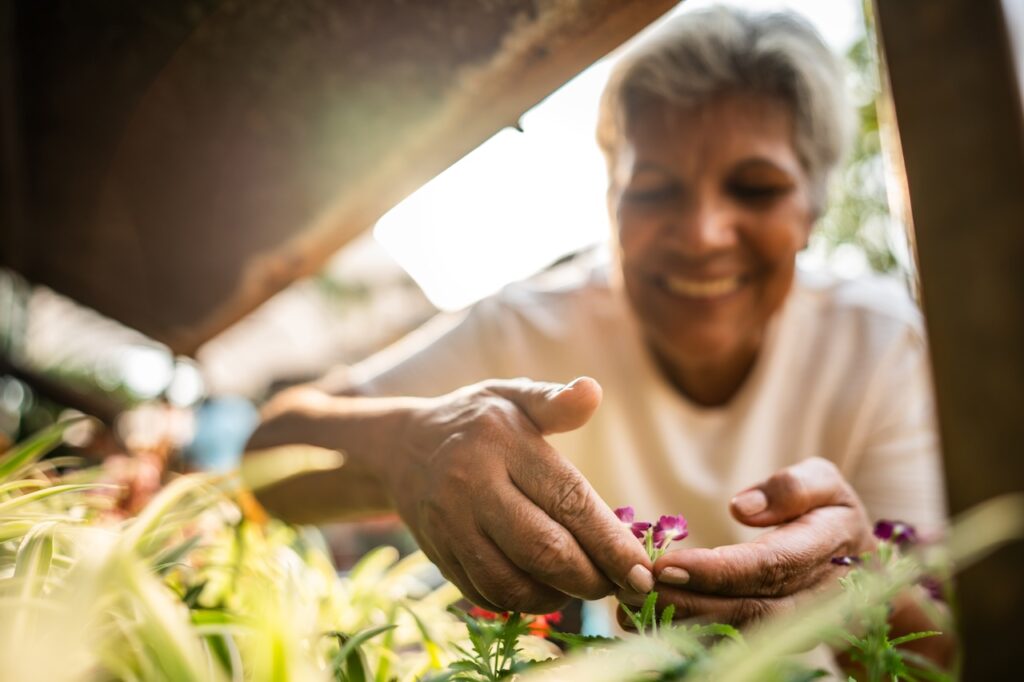
When talking about your cancer diagnosis, treatment, and recovery, conversations may focus on the importance of medical interventions and therapies. In the midst of everything, restorative tools for managing your emotional well-being, from reducing stress and anxiety to improving your overall mood and quality of life, may not be as frequently discussed. One easy and accessible intervention that you could try is nature-based interventions (NBIs).
NBIs can combine with medical interventions to address the emotional toll of a cancer diagnosis. They can make a positive difference in your physical, emotional, social, and spiritual well-being. For some, the NBI approach is as simple as spending time outdoors each day, ideally helping you to not only ease any fatigue you may be feeling, but also to offer a sense of peace and tranquility that you probably don’t experience when you’re at the doctor’s office or hospital. Typically, NBIs are planned, intentional periods of time that you spend outside.
How do experts define a nature-based intervention?
According to the National Library of Medicine (NIH), preliminary research studies have shown there are promising, positive psychological and physiological benefits for NBIs. For many researchers, there are three definitions for what can be considered an NBI:
Evidence-based guidance powered by NCCN Guidelines®
Personalized treatment plans shaped by the latest oncology standards—tailored to your diagnosis.
Get started
View your personalized treatment plan in the Outcomes4Me app
Use your diagnosis to unlock personalized NCCN Guidelines®-aligned recommendations.
Continue in app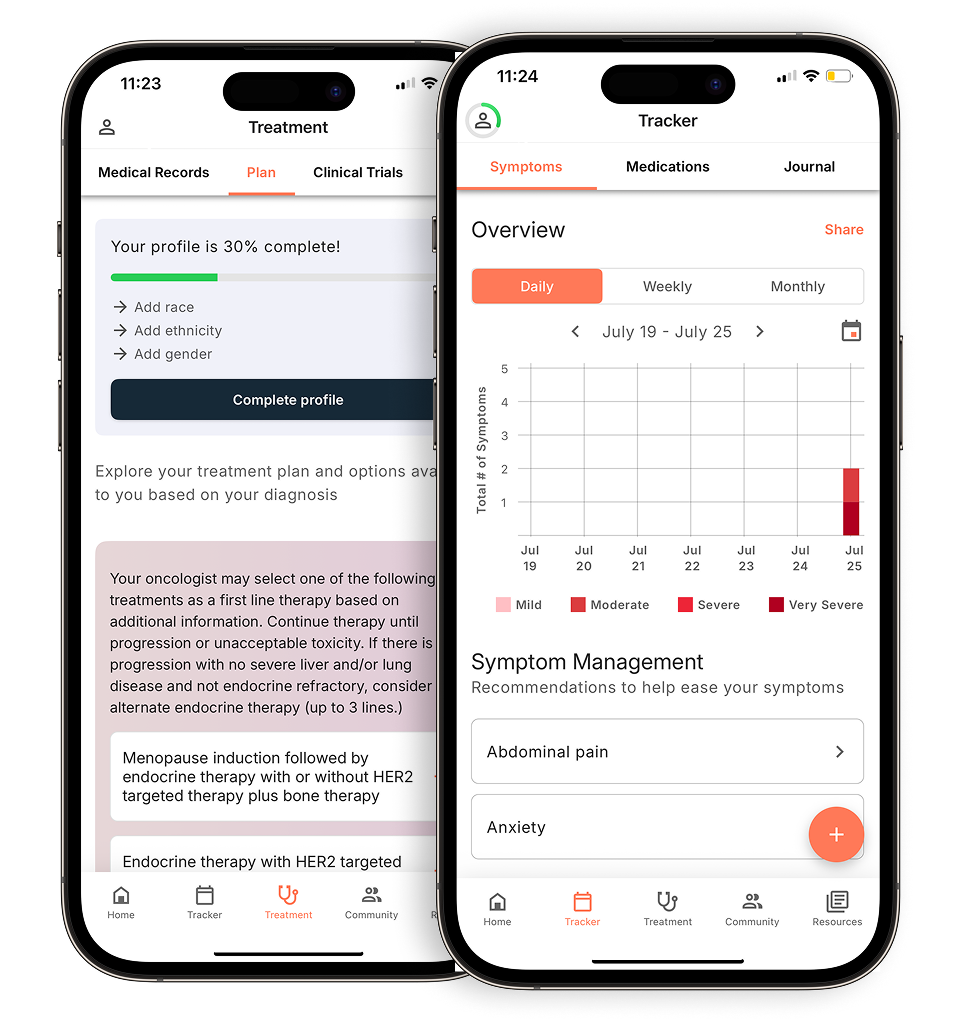
- Viewing nature
- Surrounding yourself with nature
- Becoming actively involved with/in nature
What can spending time in nature do for your body?
NBIs have been shown to positively influence the immune system by boosting natural killer cells, lowering cortisol levels, reducing anxiety, and improving blood pressure. For cancer survivors, NBIs may also help decrease inflammation. Additionally, Psychology Today highlights the role of phytoncides, natural essential oils released by trees and plants, which act as anti-inflammatories. These compounds can help reduce stress, regulate blood sugar and cortisol levels, and even improve sleep quality.
Time in nature can help quiet your inner dialogue and provide relief from the constant stream of worries, decisions, and uncertainties that often accompany a diagnosis. Being outdoors can help ground your thoughts and offer a natural form of meditation.
While you’re outside, you can practice mindfulness by focusing on each step and how it feels to move or simply sit and observe. These small acts of noticing can cultivate a sense of calm and presence, helping you find moments of clarity and emotional balance.
Is forest bathing considered a nature-based intervention?
Yes, but it’s not what it sounds like – there’s no actual bathing involved. The term comes from shinrin-yoku, the direct Japanese word for therapeutic forest bathing. When translated, the term refers to surrounding yourself with nature.
Dr. Qing Li, MD, Ph.D., is such a strong advocate for the health benefits of forest bathing that he wrote Forest Bathing: How Trees Can Help You Find Health and Happiness, a guide meant to inspire your journey into nature, complete with stunning photography for days when you’re staying indoors.
So, what can you do on your own to experience nature?
Try to stay off your cell phone and place it on “do not disturb” to fully immerse yourself in nature without any distractions. Then, get ready to:
- If you live in a city, walk in an urban park.
- Go to your local park or green space for a walk if you can’t find an actual wooded area filled with trees.
- If you live in a more rural community, spend time in your backyard or in local areas designated for walking, hiking, birding, etc.
- Get potted plants and mini trees for your house, open the windows, and let some fresh air in as much as possible.
- Connect yourself to the ground below you and sit on the grass with a mat and observe your surroundings.
- If you can’t get outside, listen to forest sounds or nature recordings,
- Sit comfortably and focus on your breathing, try mindfulness exercises as well.
When you’re spending time outdoors, remember to protect your skin from UV rays with the proper sun protection.
While nature is certainly not a cure for cancer-induced anxiety or depression, its restorative effects on the body and mind are hard to ignore. Plus, you probably have nothing to lose by spending just a little time outside.
As always, if you would like to connect with an Outcomes4Me oncology nurse practitioner at no charge through the Outcomes4Me app, just use the “Ask Outcomes4Me” button.
*When you purchase from a link on this page, we may receive a small affiliate commission.
Personalized support for real care decisions
Understand your diagnosis, explore clinical trials, and track symptoms--all in one place.
Get started
Compare treatments, prepare for appointments, and track side effects—all in the app
Built for your diagnosis, Outcomes4Me gives you the tools to make confident, informed decisions—right when you need them.
Continue in app