
What Is HER2-Positive Metastatic Breast Cancer?
HER2-positive breast cancer is a type of breast cancer that has high levels of the HER2 protein, which promotes cancer cell growth. When breast cancer is metastatic, it means the cancer has spread beyond the breast to other parts of the body, such as bones, liver, lungs, or brain. HER2-positive cancers tend to grow and spread faster than HER2-negative cancers, but modern treatments have significantly improved survival rates. Advances in targeted therapy have transformed HER2-positive breast cancer into a more treatable disease. Understanding your diagnosis helps guide treatment decisions and set realistic expectations for prognosis.
What is the life expectancy of HER2-Positive Metastatic Breast Cancer?
Life expectancy for HER2-positive metastatic breast cancer varies depending on several factors, including treatment response and overall health. On average, studies show that with modern targeted therapies, many patients live several years after diagnosis, and some survive 5 years or more. Before targeted therapies, the prognosis for HER2-positive metastatic cancer was much poorer, but drugs like trastuzumab (Herceptin) and pertuzumab have dramatically improved outcomes. Each patient’s case is unique, so it’s important to discuss individualized survival estimates with your oncologist.
Evidence-based guidance powered by NCCN Guidelines®
Personalized treatment plans shaped by the latest oncology standards—tailored to your diagnosis.
Get started
View your personalized treatment plan in the Outcomes4Me app
Use your diagnosis to unlock personalized NCCN Guidelines®-aligned recommendations.
Continue in app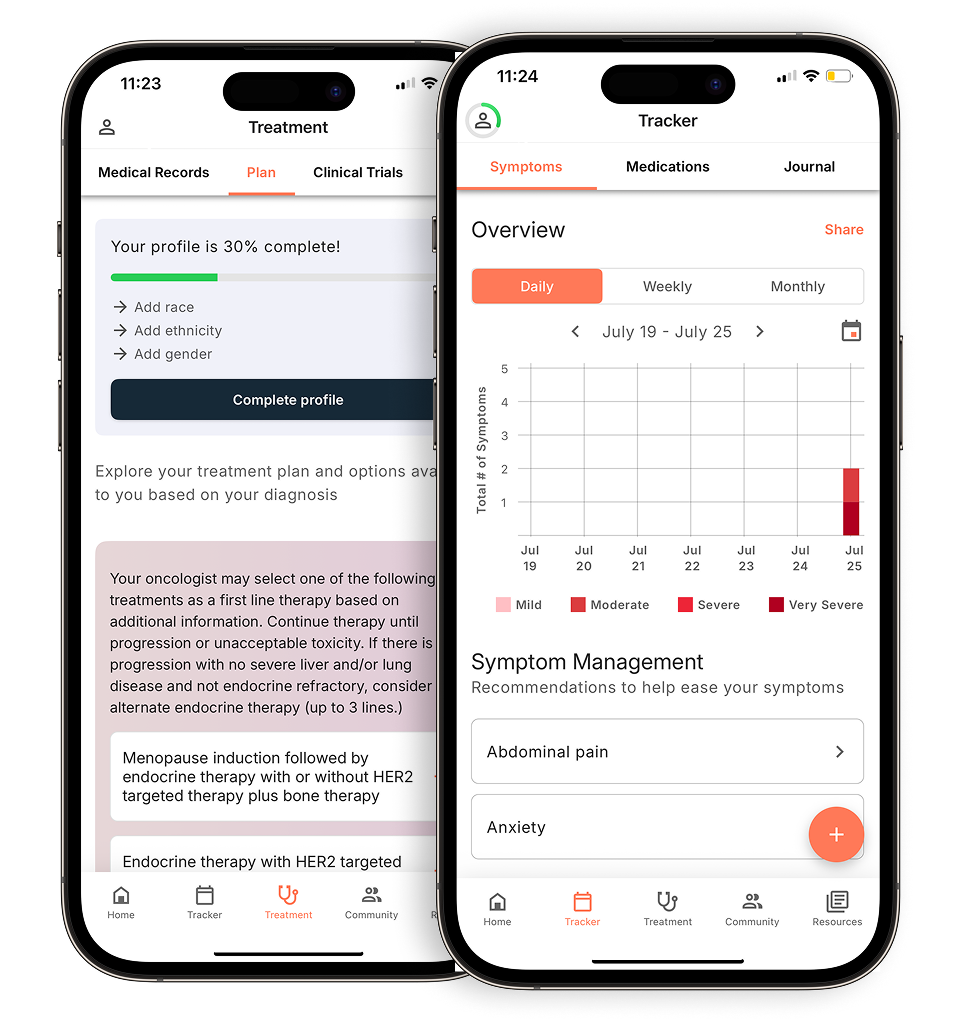
What Affects Stage 4 Breast Cancer Life Expectancy?
Several factors influence survival rates for stage 4 breast cancer, including the type of breast cancer, treatment options, and overall health. For HER2-positive cancers, access to targeted therapies can significantly extend life expectancy. Age, pre-existing health conditions, and how well the cancer responds to treatment all play major roles. Understanding these factors can help patients and caregivers set realistic expectations and plan for treatment.
Response to Targeted Therapy
Response to targeted therapy is one of the strongest predictors of life expectancy. HER2-directed treatments, such as trastuzumab, pertuzumab, and T-DM1, have revolutionized outcomes for HER2-positive patients. Patients who respond well to these drugs often experience longer survival and better quality of life. Some individuals achieve stable disease for years with ongoing therapy.
Extent of Metastasis
The number and location of metastases significantly impact prognosis. Cancer that has spread only to bones often has a better outlook than cancer involving vital organs like the liver or brain. The burden of disease, or how much cancer is present, also influences how well treatment works. Early detection of metastasis and prompt treatment can improve survival.
General Health
A patient’s overall health, including age, fitness level, and presence of other medical conditions, can affect both treatment tolerance and survival. Healthier individuals are often able to undergo more aggressive or combination therapies. Lifestyle factors such as nutrition, exercise, and mental health support also play a role in maintaining strength during treatment.
What are Available Treatments for HER2-Positive Metastatic Breast Cancer?
Treatment for HER2-positive metastatic breast cancer usually involves a combination of therapies aimed at controlling the disease and improving quality of life. Targeted therapy is typically the backbone of treatment, often combined with chemotherapy or hormone therapy when appropriate. Clinical trials may also provide access to newer, more effective drugs. Your oncologist will create a treatment plan based on the extent of disease, previous treatments, and overall health.
Targeted Therapy
HER2-targeted therapies, such as trastuzumab, pertuzumab, T-DM1, and newer drugs like trastuzumab deruxtecan, specifically attack cancer cells that overexpress HER2. These treatments have dramatically improved survival rates for patients with HER2-positive metastatic breast cancer. They are often used as first-line therapy and continued long-term if well-tolerated.
Chemotherapy
Chemotherapy is often used in combination with targeted therapy to enhance effectiveness. It can help shrink tumors, slow disease progression, and relieve symptoms. While side effects can be challenging, advances in supportive care make chemotherapy more manageable for many patients.
Hormone Therapy
If the cancer is also hormone receptor-positive, hormone therapy may be added to the treatment plan. Drugs like aromatase inhibitors or tamoxifen work by blocking hormones that fuel cancer growth. Combining hormone therapy with HER2-targeted treatments can help control disease progression in some patients.
HER2-Positive Breast Cancer Prognosis Calculators
Prognosis calculators are online tools that estimate survival based on factors like cancer stage, HER2 status, age, and treatment type. While these calculators can provide general guidance, they cannot replace personalized advice from an oncologist. They may help patients understand how different factors influence prognosis, but individual responses to treatment vary widely.
Outcomes4Me has collected some life expectancy calculators here.
Is HER2-Positive Breast Cancer Curable?
While metastatic HER2-positive breast cancer is generally considered incurable, it is highly treatable. Many patients live for years with ongoing therapy, and some achieve long-term remission. Advances in targeted drugs have transformed HER2-positive cancer into a chronic condition for some individuals. Early detection and continuous treatment are key to achieving the best outcomes.
Does HER2+ Always Require Chemo?
Not always. While chemotherapy is often combined with targeted therapy for aggressive or widespread disease, some patients—especially those who cannot tolerate chemo—may be treated with targeted therapy alone. Clinical decisions depend on cancer characteristics, treatment history, and patient preferences. Discussing all options with your care team ensures a plan that balances effectiveness with quality of life.
Personalized support for real care decisions
Understand your diagnosis, explore clinical trials, and track symptoms--all in one place.
Get started
Compare treatments, prepare for appointments, and track side effects—all in the app
Built for your diagnosis, Outcomes4Me gives you the tools to make confident, informed decisions—right when you need them.
Continue in app