Staying hydrated is an important part of overall health, but it can take on even greater significance when you’re living with cancer or going through treatment. Meeting your hydration needs becomes more essential as chemotherapy and radiation, along with certain medications, may cause you to lose fluids, and the side effects can make it difficult to get enough fluids and nutrients each day. Keep reading for tips on how you can stay hydrated.
Why is hydration so important during cancer treatment?
Medical oncologist Dr. Martin Dietrich notes that maintaining hydration and a stable weight are “very important and attainable measurements.” Fluids help our bodies with numerous functions. They help control heart rate, blood pressure, and body temperature. They also carry nutrients throughout the body and assist your kidneys in filtering waste and toxins. When you’re receiving cancer treatment, your body may lose fluids more quickly than usual. Side effects such as vomiting or diarrhea can accelerate this loss and increase your risk of dehydration. Dehydration not only makes you feel fatigued or dizzy but can also weaken your immune system, making it harder to fight infection. Staying hydrated is a key part of supporting your body’s resilience.
Evidence-based guidance powered by NCCN Guidelines®
Personalized treatment plans shaped by the latest oncology standards—tailored to your diagnosis.
Get started
View your personalized treatment plan in the Outcomes4Me app
Use your diagnosis to unlock personalized NCCN Guidelines®-aligned recommendations.
Continue in app
How can you stay hydrated?
If drinking enough water feels like a challenge, small adjustments can help:
1) Start your morning with fluids
Incorporate drinking water as part of your morning routine to get a head start on staying hydrated throughout the day. You can put a glass of water next to your nightstand and make it a habit to take a few sips when you wake up. If you’re feeling nauseous, infusing warm water with ginger and lemon and help settle your stomach while hydrating your body.
2) Set reminders or use a water bottle with a tracker
Use your phone or calendar to schedule breaks to sip water throughout the day. You can also try using a water bottle with a time marker that can help you slowly pace your fluid intake through the day.
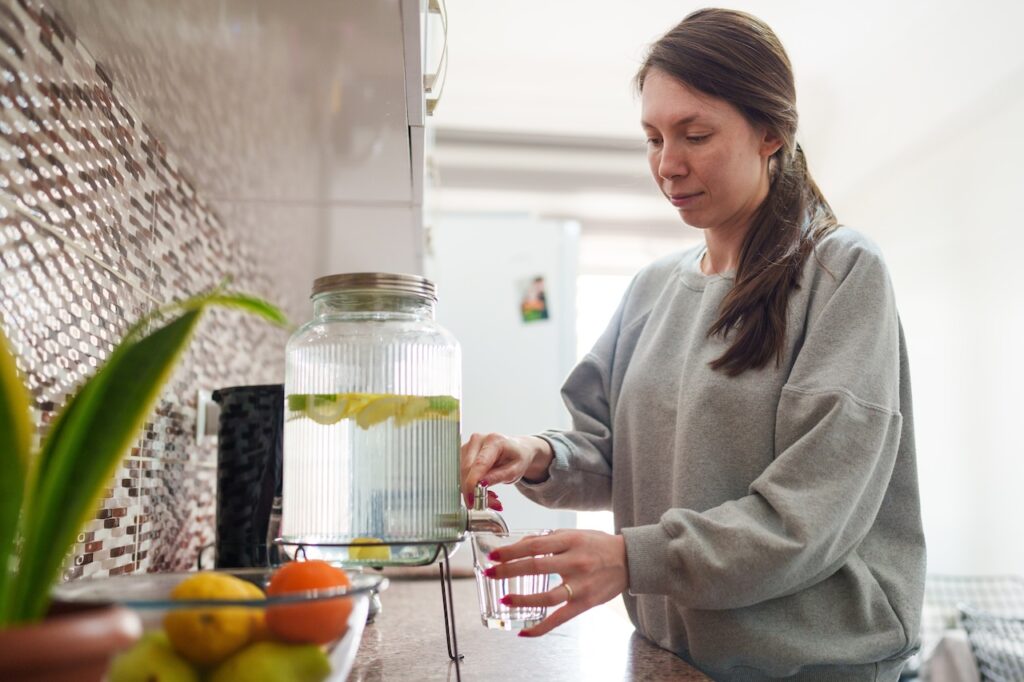
3) Infuse flavor
Get creative with your water and add natural flavor boosters like cucumber, mint, berries, or citrus slices. You can also experiment with infusing different fruits and herbs in sparkling water if still water isn’t appealing to you.
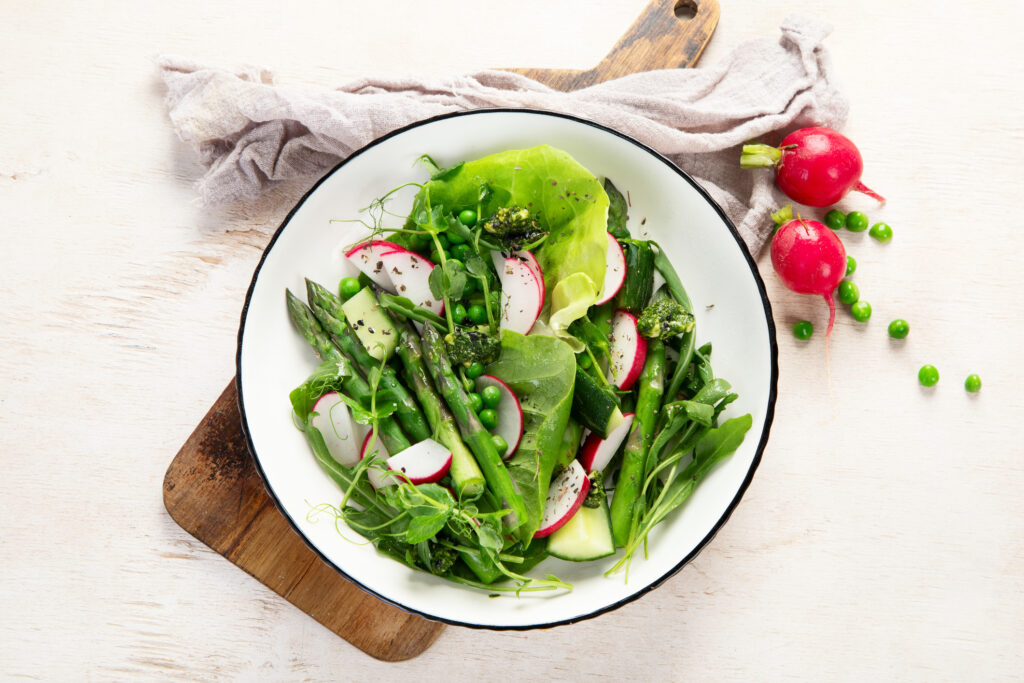
4) Eat hydrating foods
Liquids and water aren’t the only ways you can stay hydrated. Fruits and vegetables with a higher water content can be beneficial too. Snack on cucumbers, melons, or celery for a crunchy way to incorporate fluids and some fiber as well.
5) Include other fluids
Unsweetened teas, low-sodium broths, diluted juices, and smoothies can also contribute to your hydration.
How do you know if you’re dehydrated?
Watch for signs that you may need more fluids. Consider keeping a log of your intake and symptoms to share with your care team. Common indicators of dehydration include:
- Dry mouth or extreme thirst
- Dark urine or reduced urination
- Headaches, dizziness, or feeling faint
- Nausea or vomiting
- Changes in sweating patterns
- Rapid heartbeat
- Skin that doesn’t return to normal quickly when pinched
What foods can help you hydrate?
In addition to fluids, many foods naturally contain water and can contribute to hydration. Here are some nutrient-rich options:
- Cucumber – 96% water (vitamins B & C, calcium, magnesium, potassium, zinc)
- Lettuce – 96% water (vitamins A, C, K)
- Celery – 95% water (vitamin K, potassium)
- Tomatoes – 94% water (vitamin C, potassium, antioxidants)
- Zucchini – 94% water (vitamin C, micronutrients, antioxidants)
- Watermelon – 92% water (vitamins A, C, antioxidants)
- Spinach – 92% water (protein, iron, potassium, magnesium, vitamins C & E)
- Asparagus – 92% water (zinc, vitamins A & K, fiber)
- Apples – 84% water (vitamin C, fiber)
The bottom line: Most people aim for four to six cups of water a day, but your needs may be higher during cancer treatment. By paying attention to your fluid intake, choosing hydrating foods, and working closely with your care team, you can help your body better cope with the demands of treatment and recovery.
As always, if you would like to connect with an Outcomes4Me oncology nurse practitioner at no charge through the Outcomes4Me app, just use the “Ask Outcomes4Me” button.
*When you purchase from a link on this page, we may receive a small affiliate commission.
Personalized support for real care decisions
Understand your diagnosis, explore clinical trials, and track symptoms--all in one place.
Get started
Compare treatments, prepare for appointments, and track side effects—all in the app
Built for your diagnosis, Outcomes4Me gives you the tools to make confident, informed decisions—right when you need them.
Continue in app