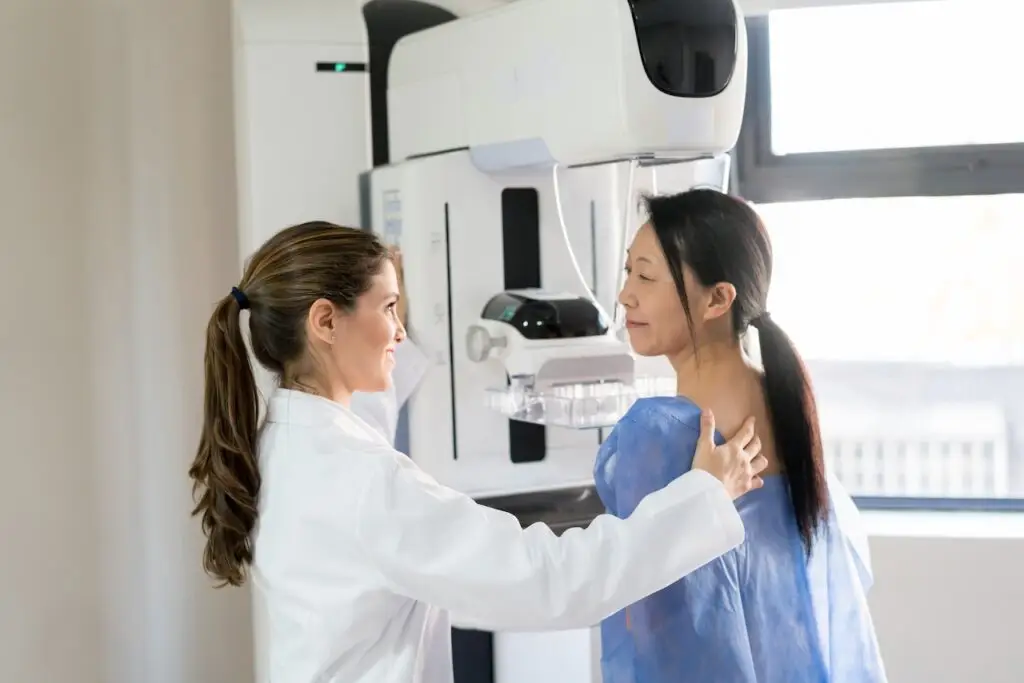
The medical terms used in breast cancer treatment options can be confusing to understand, especially when you’re first navigating your diagnosis. To help you navigate the different treatment options, Dr. Pooja Advani, a breast medical oncologist at Mayo Clinic, provides a patient-friendly explanation of the major treatment types and breaks down how they work, who they’re for, and what side effects to expect.
You can also watch our full discussion on what to expect after a breast cancer diagnosis, here.
Endocrine therapy (Anti-estrogen therapy)
For hormone receptor–positive (HR+) breast cancer, endocrine therapy, also called anti-estrogen therapy, is a mainstay of treatment. “When we think about endocrine therapy, it essentially refers to anti-estrogen therapy,” Dr. Advani explains. “That can include tamoxifen.”
Tamoxifen helps prevent estrogen from fueling cancer growth. “Tamoxifen works by changing the estrogen receptor, changing the docking station, so that estrogen is not able to bind to it and exert its effects on the tumor cells,” she says. It can be used by premenopausal, perimenopausal, and postmenopausal patients, though it’s often favored for those who are pre- or perimenopausal.
Another type of anti-estrogen therapy are aromatase inhibitors, which lower estrogen levels in the body. “An inhibitor means a blocker, and it blocks aromatase, which is an enzyme that converts androgens in the female body to estrogen, predominantly in the fatty tissue. This is typically preferred in postmenopausal patients,” Dr. Advani shares. Premenopausal patients can also use aromatase inhibitors, but only if the ovaries are suppressed either through monthly injections or by surgery (oophorectomy).
Since these treatments change estrogen levels, side effects are common. They include fatigue, nausea, hot flashes, sleep disturbances, mood changes, and changes in sexual or vaginal health.
Side effects also vary by medication. Dr. Advani notes aromatase inhibitors can cause joint and muscle aches, while tamoxifen can increase the risk of blood clots, uterine thickening, or cataracts. Long-term endocrine therapy can impact cognitive, cardiovascular, and bone health, particularly with aromatase inhibitors, which may increase fracture risk.
Chemotherapy
Chemotherapy attacks cancer cells directly, but it can also affect normal cells, which is why side effects are common. “Chemotherapy is like taking a sledgehammer and hitting the engine of a car,” Dr. Advani says. “It goes and attacks the DNA of the cancer cells, and because it is like a sledgehammer approach, it unfortunately can cause side effects that result from collateral damage to normal cells.”
Patients may experience hair loss, dry skin, nail changes, anemia, fatigue, and lowered white blood cell counts, increasing infection or bleeding risks. Some drugs can also cause neuropathy, tingling, and numbness in the hands or feet, or impact heart function.
Supportive care has improved significantly over the years. Dr. Advani notes, “We have made really significant strides in the supportive care.” Techniques include cold caps to reduce hair loss, frozen mittens or foot wraps to prevent neuropathy, echocardiograms to monitor heart function, and powerful nausea medications, all designed to help patients maintain quality of life during treatment.
Radiation therapy
Radiation therapy is often used after surgery to reduce the risk of cancer returning in the breast or nearby lymph nodes. “Radiation therapy is to reduce the recurrence risk locally,” Dr. Advani explains. “Radiation can cause fatigue, skin discoloration, tenderness, or peeling, but topical medications usually help protect the skin,” she continues.
Many patients worry about heart health if their cancer is on the left side. “That’s possible,” Dr. Advani says, “but thankfully we haven’t seen a very high incidence of that.” There are different techniques your care team will recommend to help reduce exposure and long-term risks.
Confirming your treatment plan
Dr. Advani emphasizes that your care team will guide you with personalized education tailored to your treatment plan. She also encourages seeking a second opinion, not only to confirm your plan but also to explore whether you may be eligible for clinical trials.
Watch the full “Ask the Expert” discussion here.