
ALK-positive (ALK+) lung cancer is a type of lung cancer driven by a genetic change called an ALK fusion. Georgetown University’s Dr. Stephen Liu explains, “ALK+ refers to a cancer that has an ALK fusion or a chromosomal rearrangement within the ALK gene.” This change acts like an “on switch,” fueling cancer growth.
ALK fusions are found in about 5% of lung cancers. Researchers are still working to understand the cause, but major strides have been made in therapies that specifically target ALK+ lung cancer. Dr. Liu shares the progress so far.
ALK inhibitors: The foundation of treatment
Most people with ALK+ lung cancer are diagnosed with advanced (stage IV) disease, where treatment relies on medication rather than surgery. Dr. Liu highlights that while chemotherapy was once standard, that has changed.
“What we know now is that using an ALK inhibitor is really superior to chemotherapy,” Dr. Liu says. ALK inhibitors, also called ALK tyrosine kinase inhibitors (TKIs), are targeted therapies designed to shut down the abnormal ALK signal driving the cancer.
Evidence-based guidance powered by NCCN Guidelines®
Personalized treatment plans shaped by the latest oncology standards—tailored to your diagnosis.
Get started
View your personalized treatment plan in the Outcomes4Me app
Use your diagnosis to unlock personalized NCCN Guidelines®-aligned recommendations.
Continue in app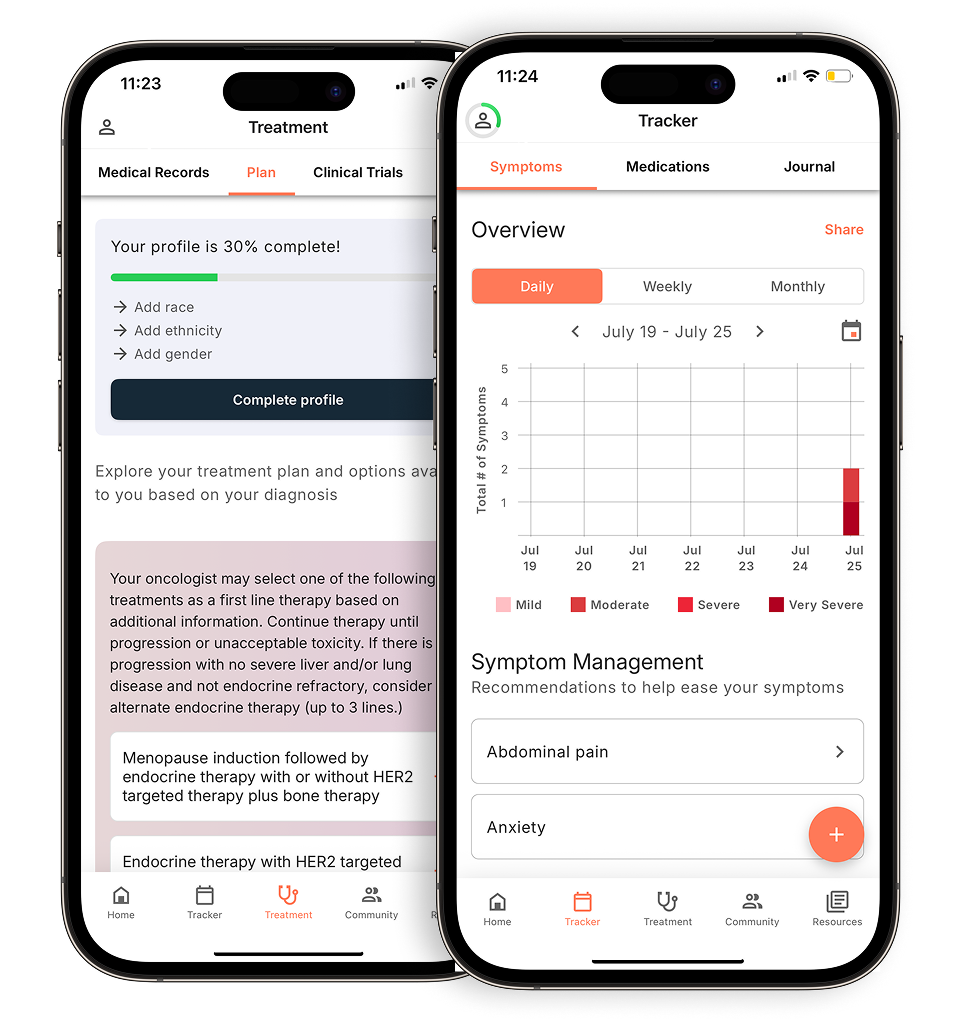
“When we see an ALK fusion, we have a high level of confidence that these drugs will work,” Dr. Liu explains. While no treatment is guaranteed, “at least some reduction in cancer is seen in almost everybody.”
Next-generation ALK inhibitors and why the brain matters
ALK+ lung cancer has a higher risk of spreading to the brain, making drug choice especially important. “This is a cancer that can spread quickly and tends to spread to the brain,” Dr. Liu says. That’s why ideal ALK inhibitors need to be potent, long-lasting, and effective in the brain.
Recent advances in ALK inhibitors have made treatment more effective and better tolerated. “There are better options now,” Dr. Liu notes. He adds that these newer therapies are “really among our preferred treatments.”
These options include:
- Alectinib
- Brigatinib
- Ensartinib
- Lorlatinib
Dr. Liu highlights ensartinib as a newly approved option in the U.S. “This is an effective agent that’s been approved in other parts of the world and is now available here,” he says. Ensartinib works well throughout the body and in the brain and is generally well-tolerated. He notes it should be used similarly to alectinib or brigatinib. While it may not last as long as lorlatinib for the average patient, “it likely has a more favorable side effect profile.”
Importantly, “the specific drug of choice is something that really needs to be discussed with your doctor,” as side effects, lifestyle, and individual disease factors all matter.
ALK inhibitors in early-stage disease
As awareness and testing improve, some ALK+ cancers are diagnosed earlier. When surgery is possible, targeted therapy still plays a role. “After surgery, using an ALK inhibitor, specifically alectinib, can delay recurrence and provide benefit,” Dr. Liu explains. Studies are also exploring the use after radiation therapy.
What to know about immunotherapy and long-term control
Unlike other lung cancers, immunotherapy is generally not effective for ALK-positive disease. “We know that immunotherapy is not an effective treatment for these cancers,” Dr. Liu says, and researchers are studying why.
While ALK inhibitors don’t work forever, responses can last many years. With newer drugs like lorlatinib, “at five years, we still haven’t reached the median time of response,” Dr. Liu notes, with many patients seeing benefit for six or seven years.
Looking ahead: Clinical trials matter
Even with today’s highly effective treatments, progress continues. “There are even newer and better drugs being developed,” Dr. Liu says, which is why he encourages patients to ask about clinical trials. These studies may offer access to the next generation of ALK inhibitors before they become widely available.
To learn more from Dr. Stephen Liu, watch the full video here.
Personalized support for real care decisions
Understand your diagnosis, explore clinical trials, and track symptoms--all in one place.
Get started
Compare treatments, prepare for appointments, and track side effects—all in the app
Built for your diagnosis, Outcomes4Me gives you the tools to make confident, informed decisions—right when you need them.
Continue in app