What is psycho-oncology? Emotional support after a cancer diagnosis
Following a cancer diagnosis, your physical health and treatment plan often take top priority, but cancer touches all corners of life. Your emotional well-being may suffer and you may find that your relationships, sense of identity, and perspective shift.
Psycho-oncology is a specialized field that helps patients and their loved ones navigate the psychological and social challenges that come with cancer. Research shows that addressing emotional distress doesn’t just improve quality of life, it can also support treatment outcomes and overall physical health.
In this blog, we’ll explain what psycho-oncology is, who can benefit from it, what types of support it includes, and how to access these valuable services. Whether you’re newly diagnosed, in active treatment, or in survivorship, understanding the benefits of psycho-oncology can be a meaningful step toward whole-person care.
What are the benefits of psycho-oncology?
Psycho-oncology addresses the psychological, emotional, social, and behavioral aspects of cancer. It recognizes that cancer affects not just the patient, but also their family, relationships, identity, and overall mental health.
Evidence-based guidance powered by NCCN Guidelines®
Personalized treatment plans shaped by the latest oncology standards—tailored to your diagnosis.
Get started
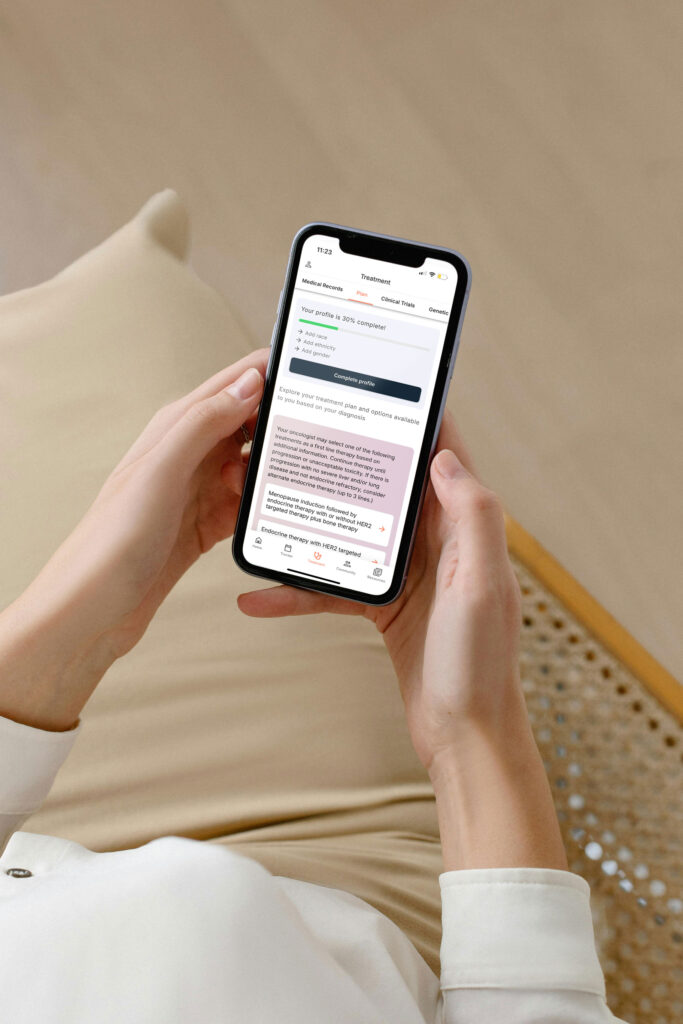
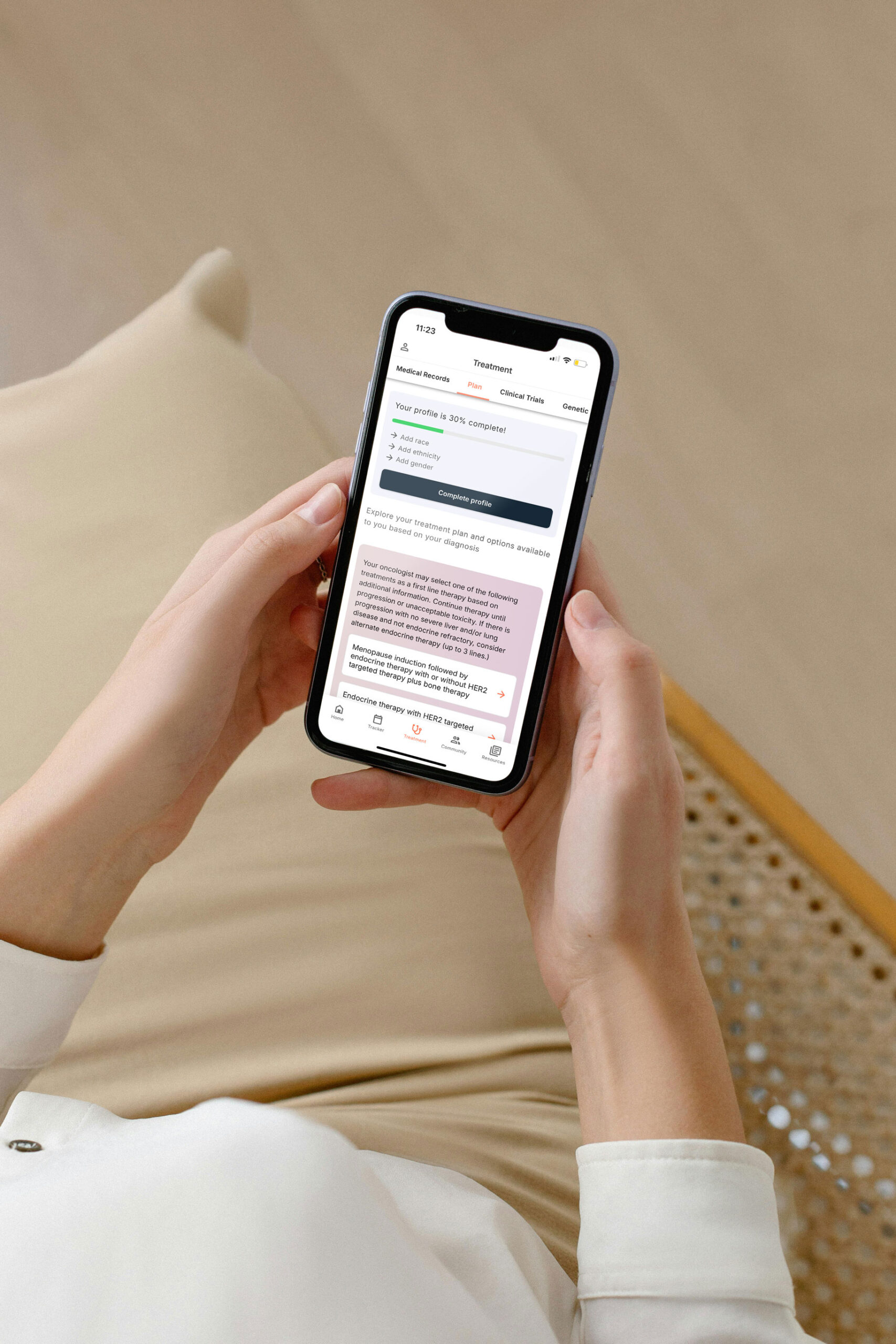
View your personalized treatment plan in the Outcomes4Me app
Use your diagnosis to unlock personalized NCCN Guidelines®-aligned recommendations.
Continue in app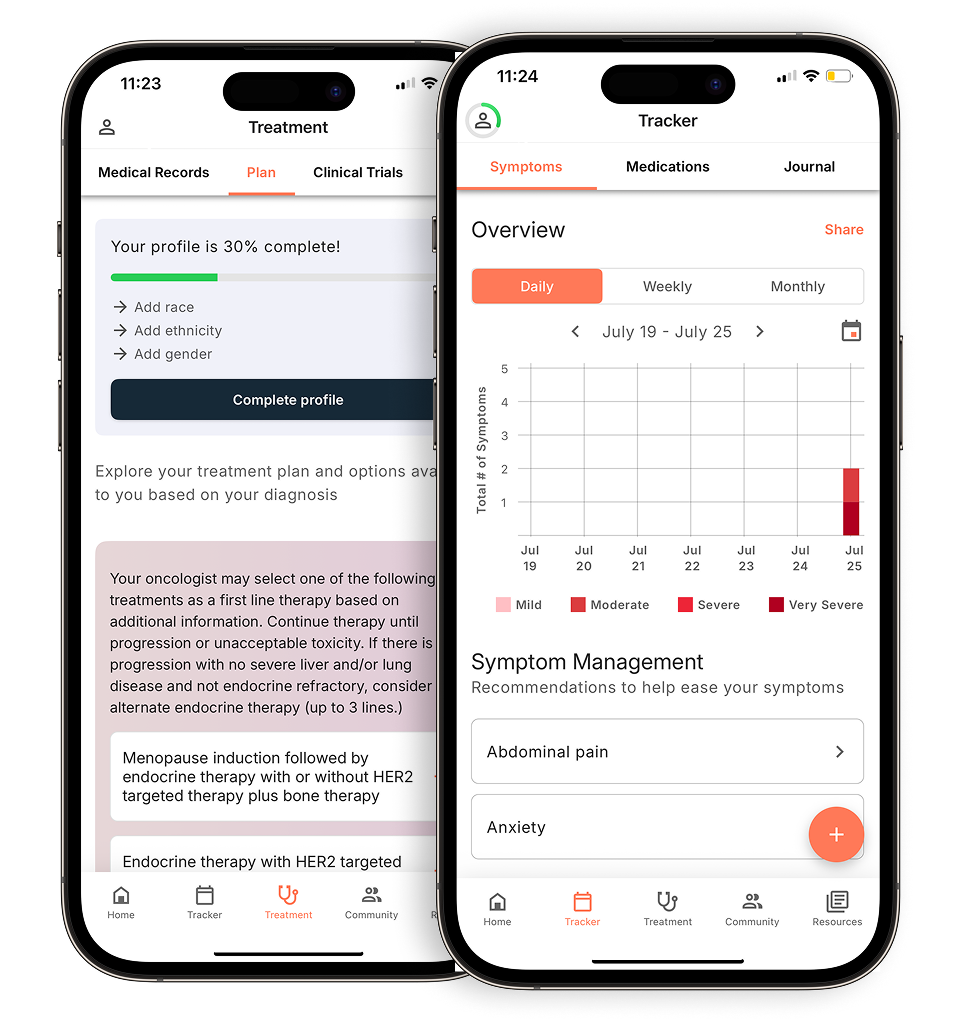
This area of care is focused on:
- Helping patients manage anxiety, depression, and fear that may arise during or after treatment.
- Supporting patients in coping with uncertainty, grief, changes in body image, and role shifts in family or work.
- Assisting families and caregivers with the emotional stress that often comes with supporting a loved one through cancer.
- Promoting quality of life through all stages.
Who is psycho-oncology for?
Psycho-oncology is for anyone affected by cancer, including patients, caregivers, and loved ones. Whether you’re feeling anxious, overwhelmed, struggling with fear of recurrence, or adjusting to life after treatment, this type of support can help.
Caregivers can also benefit from psycho-oncology, as they often face their own emotional stress while supporting someone with cancer.
What services are offered?
Psycho-oncology care can include:
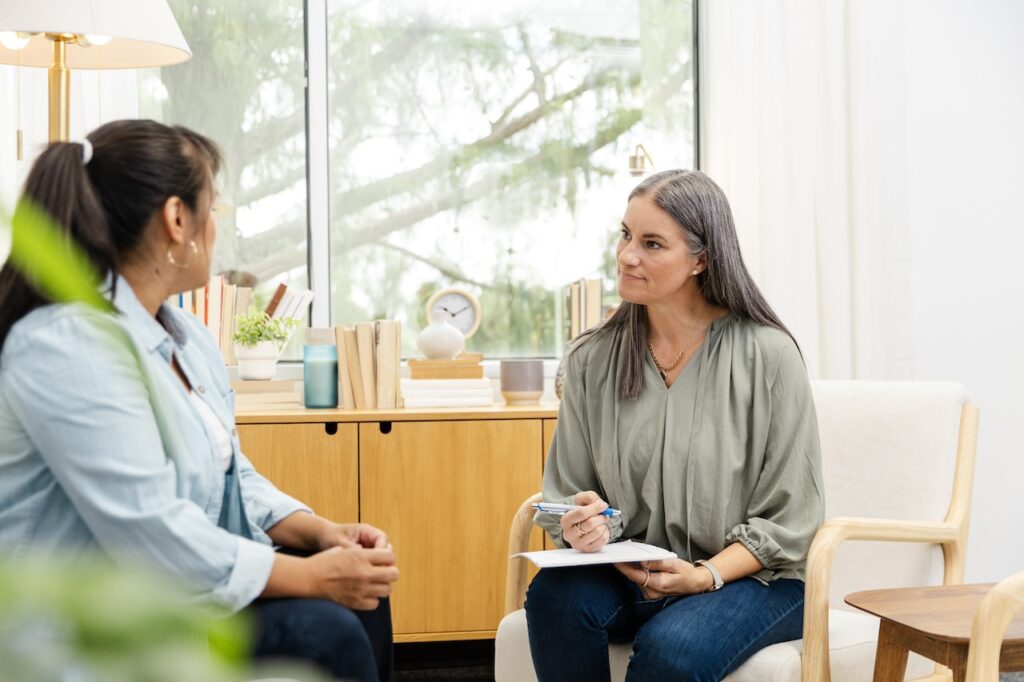
- Individual or group therapy with a psychologist or counselor trained in oncology.
- Psychiatric support, including medication for depression or anxiety, if needed.
- Support groups for patients, caregivers, or specific cancer types.
- Mind-body interventions like mindfulness, meditation, or relaxation techniques.
- Cognitive support for challenges like chemo brain or fatigue.
Some programs also offer help with communication between patients and care teams, guidance on returning to work, or spiritual support.
Who provides psycho-oncology services?
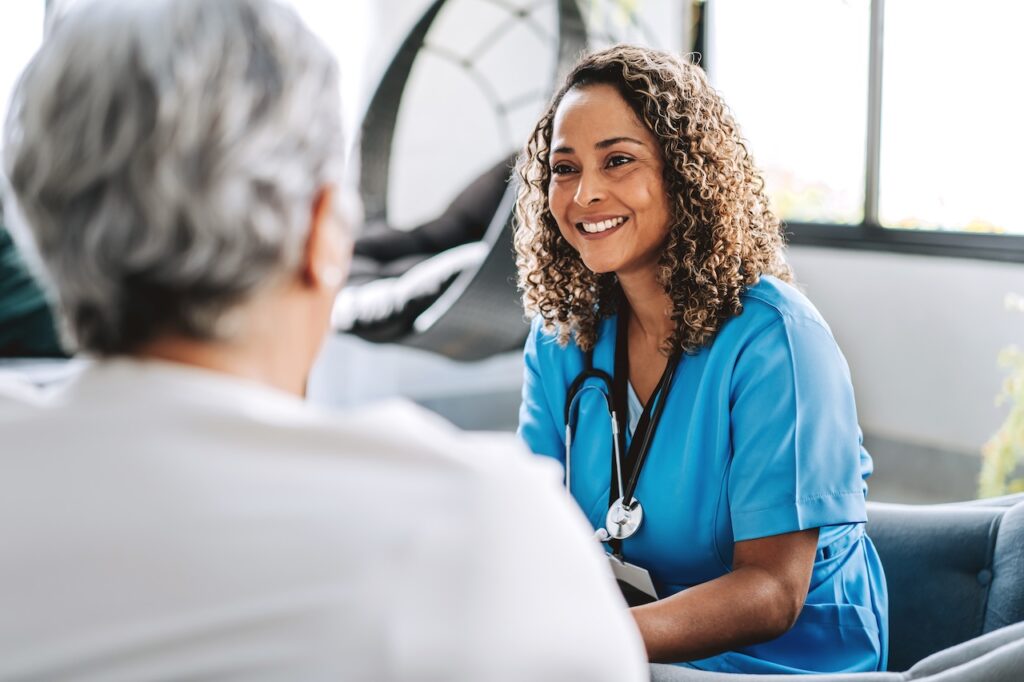
Psycho-oncology care is delivered by a multidisciplinary team of professionals trained to address the emotional, psychological, and behavioral aspects of cancer. Depending on your needs and care setting, you may work with one or more of the following specialists:
- Psychiatrists: Medical doctors who specialize in mental health. They can diagnose conditions like depression or anxiety and prescribe medications to help manage symptoms during cancer treatment (if needed).
- Psychologists: Licensed mental health professionals who offer talk therapy (such as cognitive behavioral therapy) to help patients and caregivers cope with fear, grief, trauma, or distress related to cancer.
- Licensed clinical social workers (LCSWs): Social workers trained in oncology may provide counseling, coordinate care, and help with practical concerns like transportation, financial stress, or navigating insurance.
- Counselors or therapists: These providers may have backgrounds in mental health counseling or marriage and family therapy. They support individuals, couples, and families adjusting to life with cancer.
- Oncology nurses: While not mental health professionals, nurses often serve as frontline support. They may screen for emotional distress and refer patients to appropriate psycho-oncology resources.
How can you access psycho-oncology services?
If you’re interested in psycho-oncology support, here are a few ways to start:
- Ask your oncologist or nurse navigator if your cancer center has an in-house psycho-oncology team.
- Contact your insurance provider to see which mental health services related to cancer care are covered.
- Explore online options if in-person care isn’t available in your area, many programs offer virtual therapy or support groups.
- Non-profits and advocacy organizations may offer free or low-cost counseling for cancer patients and caregivers.
If you’re feeling overwhelmed, angry, or scared, know that you’re not alone and there are several resources available to help you cope with what you’re experiencing. You can also join the Outcomes4Me community for a safe space to share your story or connect with others who share your diagnosis.
If you would like to connect with an Outcomes4Me oncology nurse practitioner at no charge through the Outcomes4Me app, just use the “Ask Outcomes4Me” button.
Personalized support for real care decisions
Understand your diagnosis, explore clinical trials, and track symptoms--all in one place.
Get started
Compare treatments, prepare for appointments, and track side effects—all in the app
Built for your diagnosis, Outcomes4Me gives you the tools to make confident, informed decisions—right when you need them.
Continue in app