When I was first diagnosed with Stage III cancer in 2019, I asked my oncologist a question many patients have: What can I do in addition to the medical treatments to get rid of the cancer and prevent it from coming back? This one question opened up a whole new world to me called integrative oncology. Integrative oncology is the combination of conventional cancer treatments plus lifestyle and complementary therapies like acupuncture and massage therapy.
It sent me on a journey to improving my health and wellness, keeping the cancer away for nearly seven years now, and becoming a patient advocate to help others answer this question for themselves.
A simple tool to help prioritize
The good news is that there is a lot cancer patients can do to help alleviate side effects and symptoms as we go through treatment, improve our quality of life, and even improve our survival outcomes. It comes down to movement, nutrition, stress management, social connection, and sleep quality. There is a cancer health check tool from the American Institute of Cancer Research that is helpful for individuals to identify the areas they need to address the most, and the results apply whether you are trying to prevent cancer in the first place, going through treatment, trying to prevent a recurrence, or living with metastatic cancer.
Evidence-based guidance powered by NCCN Guidelines®
Personalized treatment plans shaped by the latest oncology standards—tailored to your diagnosis.
Get started
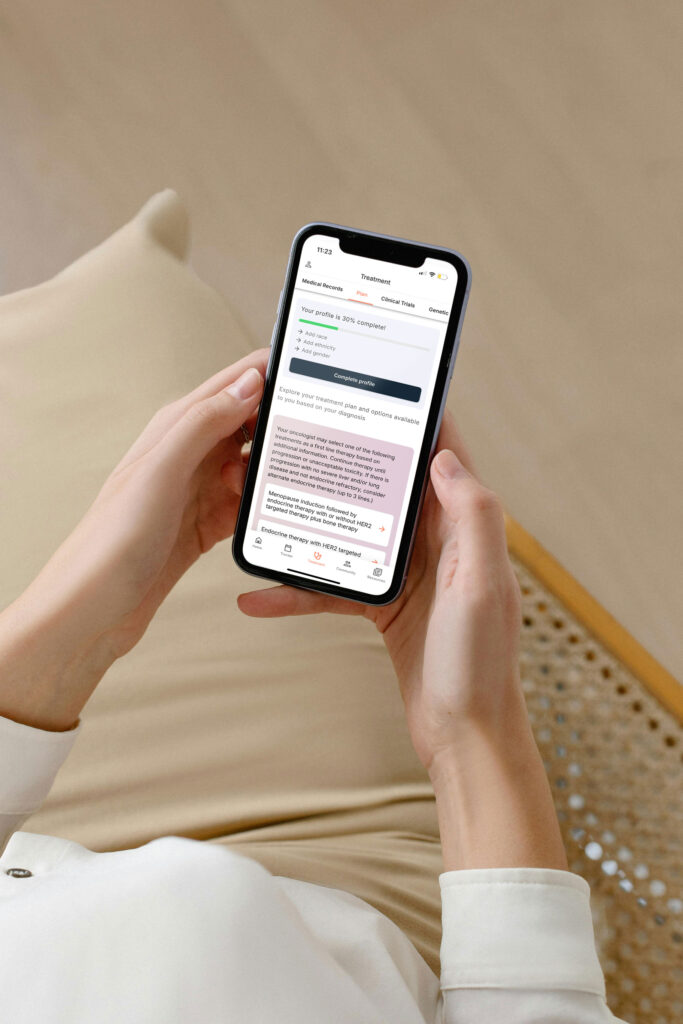
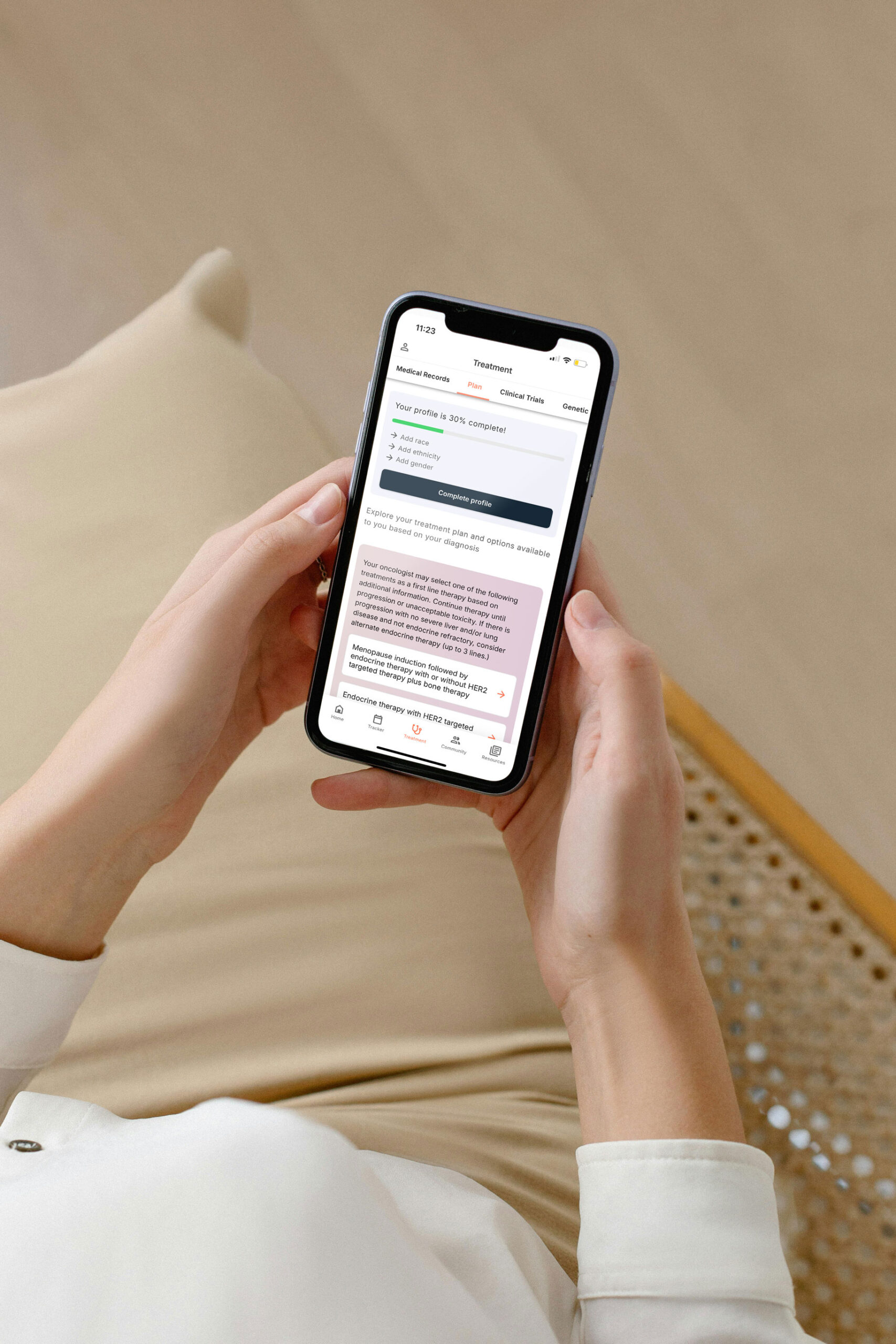
View your personalized treatment plan in the Outcomes4Me app
Use your diagnosis to unlock personalized NCCN Guidelines®-aligned recommendations.
Continue in app
An evidence-based resource for lifestyle and complementary therapies
The challenge comes in implementing the solutions. How many people have been told at some point by their doctor that they should exercise more and/or eat better? I don’t know the exact number, but I would bet it is a lot more than those who actually make the changes. And there are real, practical reasons for that.
If you know a cancer patient who wants to implement some related changes, below are excerpts from an introductory eBook published in 2025 by the Society for Integrative Oncology called “Taking Care of the Whole You.” It is full of integrative oncology definitions, evidence of the benefits, resources, and practical tips – and it is free to download!
“I have no money to invest – how can I get started for low or no cost?”
For movement, walking is a great form of exercise, and it is free and can be done nearly anywhere:
- “But walking is so boring” – play a game (which house, find something blue, identify the tree or building), switch up your route, alternate music/audio book/talking to a friend/listening to nature
- Find little tricks – like park in that spot further away, take the stairs rather than the elevator
- Other activities like swimming, biking, running, and hiking can be low-cost at local community centers
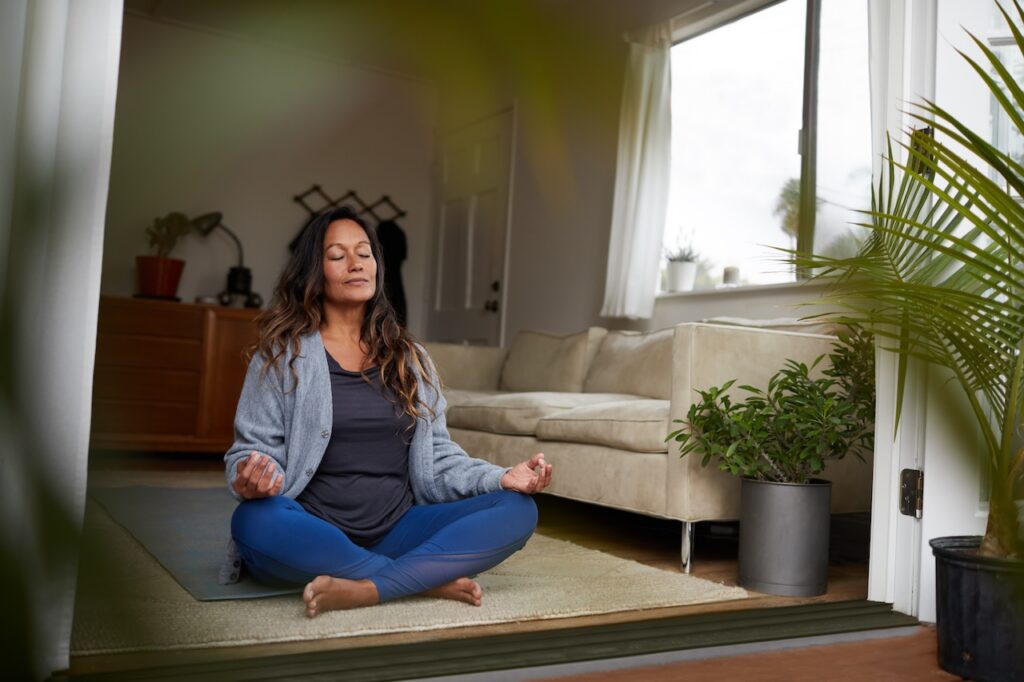
For managing stress, mindfulness is free and can be practiced almost any time:
- Stay in the moment – focus on what you are doing right now and give it your full attention
- Try not to judge – keep your mindset positive
- Start or end your day with a gratitude practice – three things you are grateful for
- Try re-framing – rather than seeing a situation as a negative, try looking from a different view to find the positive
“This all sounds great, but I am a busy person with no time for new things.”
How can I work integrative oncology into my schedule?
Practical ways to find or make time:
- Look for “new time” opportunities to convert into self-care time
- Like when your kids start going to school all day, or if your commute time shortens
- Try finding “bang for your buck” and get creative
- Take a few steps while waiting at the bus stop, or while in the room waiting for the doctor to come in
- Work out when your kids are at their sporting activities, or while you are watching your favorite show
- Put it on your calendar and make it a priority
- Block two, 15-30 minute break times each day
- Or, many CEOs block a half day each week, or a couple of hours twice a week to keep up on self-care
- Alleviate some of your time stress by asking friends for help with grocery shopping or other errands
- Ask other parents to carpool to kid activities
Simple techniques that can be done almost any time:
- Practice mindfulness during any and all activities
- Practice gentle forward bends and back bends. The inversion alleviates stress and can reduce pain, and the backbends help release endorphins that give you energy
- Use breathing as a simple calming technique: Simply taking a longer exhalation calms the body and quiets the mind. And, breathing through the nose is a natural anti-inflammatory
While it does require effort, there are many benefits for people affected by cancer if they can find a way to invest time in lifestyle changes and create a plan that fits their schedule and needs.
Want to learn more about integrative oncology? Check out our “Ask the Expert” episode with board-certified Integrative Hematologist and Oncologist Dr. Krisstina Gowin.
Personalized support for real care decisions
Understand your diagnosis, explore clinical trials, and track symptoms--all in one place.
Get started
Compare treatments, prepare for appointments, and track side effects—all in the app
Built for your diagnosis, Outcomes4Me gives you the tools to make confident, informed decisions—right when you need them.
Continue in app