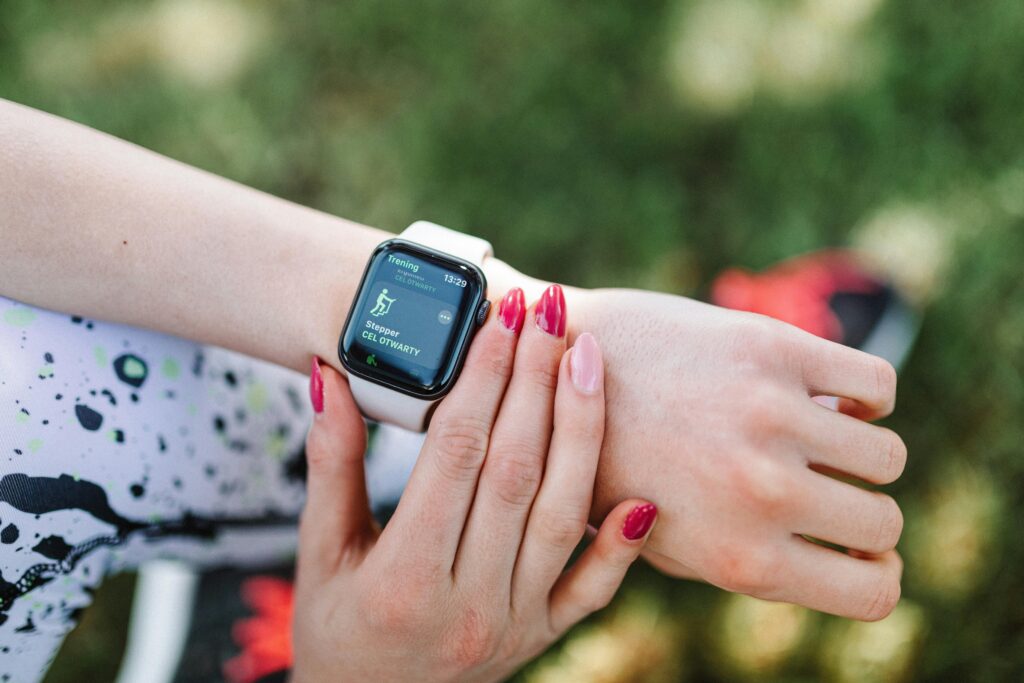
According to the American College of Sports Medicine, nearly half of U.S. adults own a fitness tracker or smart watch. These devices have become important for monitoring overall health and can measure metrics such as step count, heart rate, sleep, and activity levels throughout the day. While many widely available wearable options were originally designed for general wellness and fitness, researchers and clinicians are now exploring how they may help support people living with cancer.
Emerging evidence suggests that wearable technology, coupled with advances in AI, may provide useful insights during cancer treatment, recovery, and survivorship, helping patients stay active and giving healthcare teams objective data about how patients are doing between visits.
How wearables could influence treatment and recovery
Research is beginning to show several potential ways wearables can play a role in cancer care, including:
1. Monitor physical activity during treatment
Cancer treatments such as chemotherapy, radiation, or surgery can affect energy levels and cause an array of other side effects that influence day-to-day life. Wearable devices can track daily movement and activity patterns, offering a more accurate picture of how patients are feeling following treatment.
Evidence-based guidance powered by NCCN Guidelines®
Personalized treatment plans shaped by the latest oncology standards—tailored to your diagnosis.
Get started
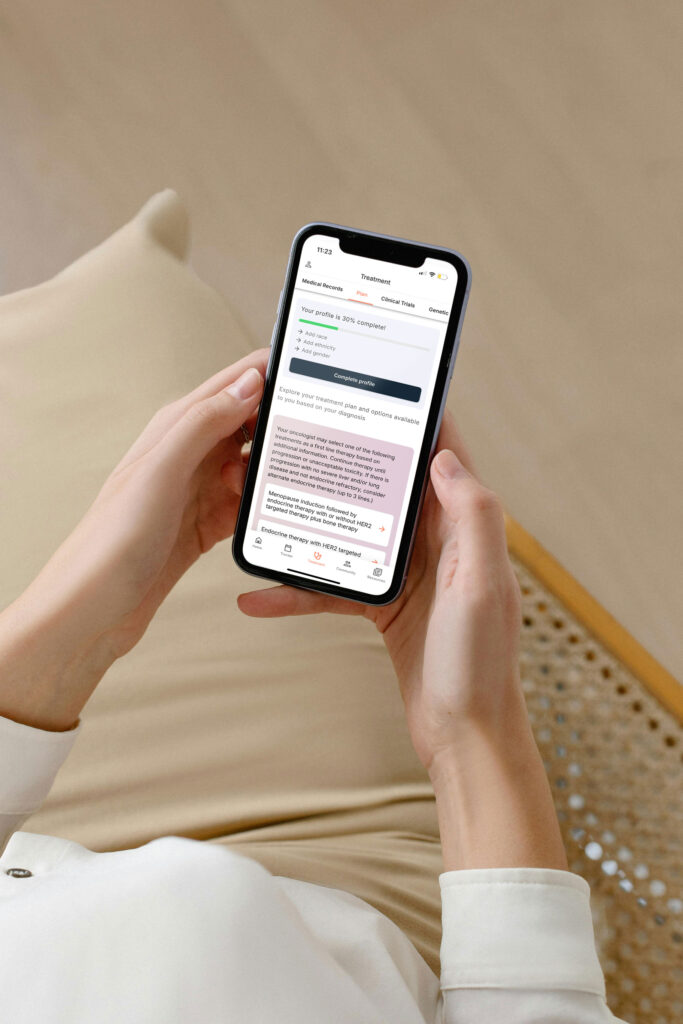
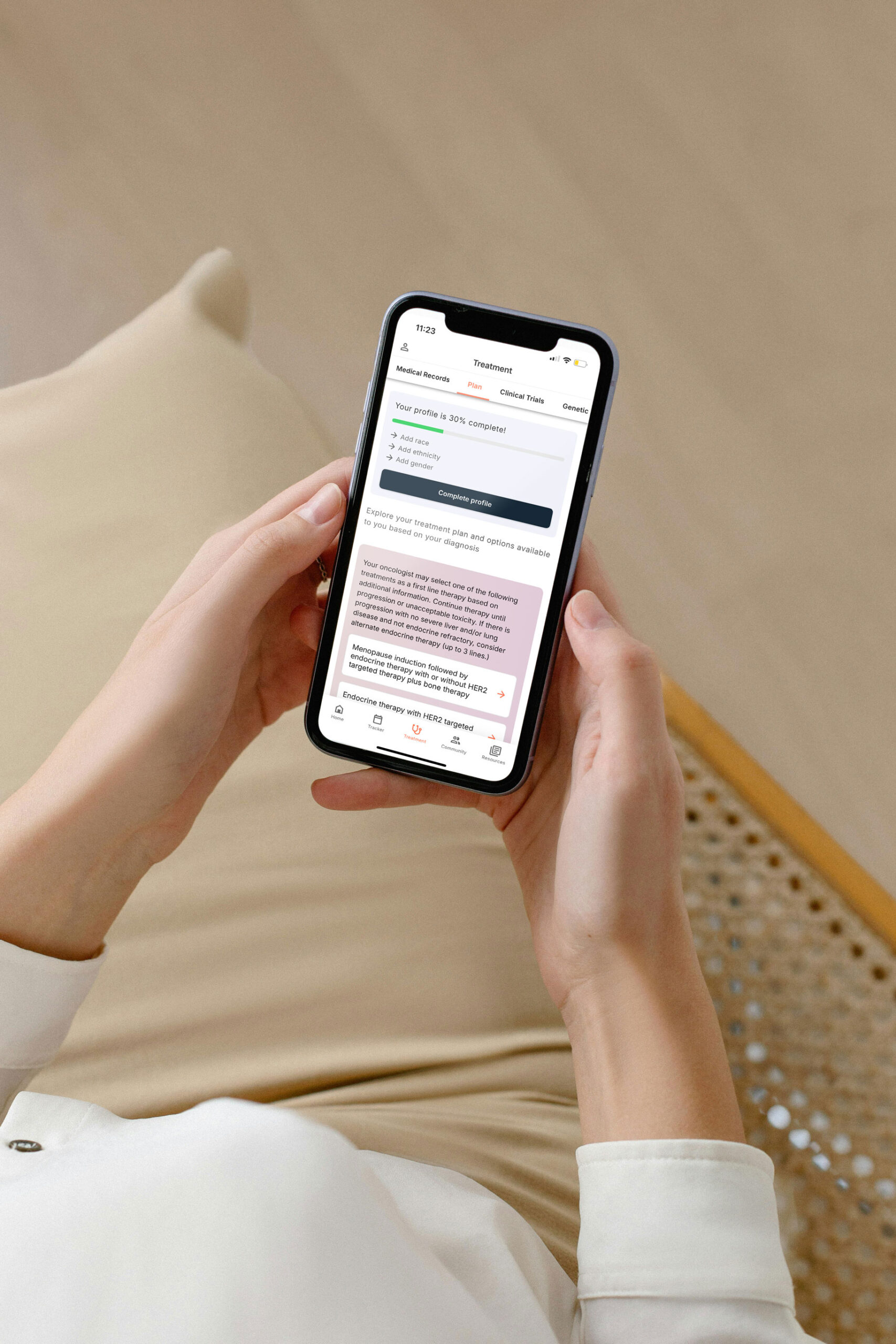
View your personalized treatment plan in the Outcomes4Me app
Use your diagnosis to unlock personalized NCCN Guidelines®-aligned recommendations.
Continue in app
A large systematic review of wearable technology in oncology analyzed 199 studies involving over 18,000 cancer patients. Researchers found that wearable devices were most commonly used to track physical activity, especially daily steps and minutes of activity.
Via embedded sensors, wearables can assess blood pressure, oxygen saturation, heart rate, and respiratory rate. With these patient insights from a real-world setting, oncologists can monitor how treatment is affecting a patient’s mobility and physical capabilities, detect declines in activity that could signal complications or side effects, and evaluate whether rehabilitation or exercise programs are working.
2. Support exercise and rehabilitation
Exercise is increasingly recognized as an important part of cancer recovery and for its ability to improve health outcomes after a cancer experience. Exercise can build strength, reduce fatigue, and enhance quality of life for many patients. According to researchers from the University of Toronto, using a wearable device can motivate patients to be more active, and real-time, daily reminders encourage better adherence to exercise routines.
3. Between-visit tracking
Another promising use of wearables is remote monitoring. Because wearable devices collect health data continuously, oncologists or other members of the care team may be able to track trends in a patient’s activity or heart rate outside of the clinic. Wearable data may also support medication adherence by providing insight into side effects (e.g. sleep disturbance) that could limit a patient’s ability to continue on their treatment regimen. Essentially, at scale, AI can analyze these large datasets from wearables to determine patterns that can benefit both individual patients and patient communities at-large.
4. Allow patients to actively participate in their care and recovery
Beyond clinical monitoring, wearables can help patients feel more engaged in their health. Tracking daily activity can help people understand how their body responds to treatment, identify patterns related to fatigue or sleep, and celebrate progress during recovery. Many patients find that having a simple way to visualize their health data makes it easier to stay motivated and maintain healthy habits.
For most people, wearable fitness trackers are safe to use during cancer treatment, especially when used for gentle activity tracking or general wellness. But, always confer with your care team before pursuing any exercise routine.
What’s next for wearables in oncology?
As technology advances, wearable devices may become even more integrated into cancer care. Researchers are exploring ways to use wearable data to:
- Detect treatment side effects earlier
- Monitor recovery after surgery
- Personalize rehabilitation programs
- Improve remote care and telemedicine
In the future, these devices could play an important role in helping clinicians better understand a patient’s real-world health during and after cancer treatment.
Learn more about the field of exercise oncology in our Q&A with Dr. Jennifer Ligibel, Director of the Leonard P. Zakim Center for Integrative Therapies and Healthy Living at the Dana-Farber Cancer Institute.
Personalized support for real care decisions
Understand your diagnosis, explore clinical trials, and track symptoms--all in one place.
Get started
Compare treatments, prepare for appointments, and track side effects—all in the app
Built for your diagnosis, Outcomes4Me gives you the tools to make confident, informed decisions—right when you need them.
Continue in app