For cancer patients and survivors, what lands on your plate during treatment and recovery isn’t a small detail. It’s a meaningful part of your care. Embracing seasonal eating during this time can be essential for optimizing your diet.
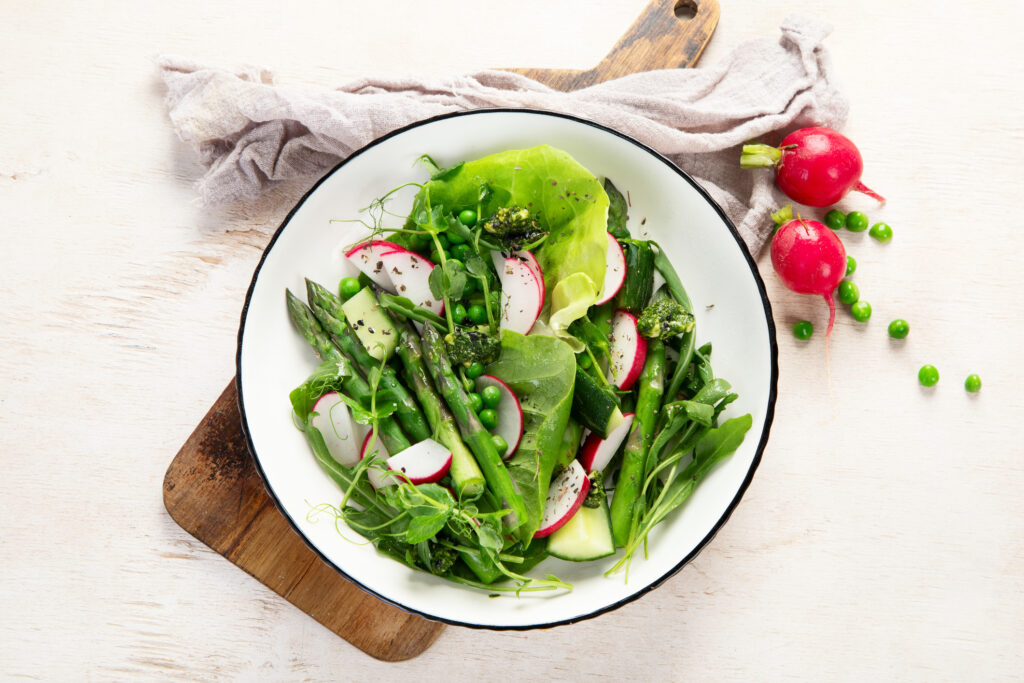
Spring ushers in some of the most nutrient-dense seasonal fruits and vegetables of the year. Think strawberries, asparagus, peas, and leafy greens, each bringing a unique profile of antioxidants, fiber, and anti-inflammatory compounds. Plant-based foods are central to reducing cancer risk and supporting recovery. Eating seasonally can be a practical and creative strategy for nourishing your body when it needs it most.
Explore how nutrition supports cancer care as we dig into the top produce to include into your meals.
Why seasonal eating matters during cancer recovery
Seasonal eating isn’t just a wellness trend. For cancer patients and survivors, it’s a genuinely practical strategy. Produce harvested at peak ripeness contains higher concentrations of vitamins, minerals, and protective phytonutrients than out-of-season alternatives shipped long distances. Seasonal produce is often fresher, more flavorful, and can even be more affordable, which are all factors that matter after a cancer diagnosis.
Evidence-based guidance powered by NCCN Guidelines®
Personalized treatment plans shaped by the latest oncology standards—tailored to your diagnosis.
Get started
View your personalized treatment plan in the Outcomes4Me app
Use your diagnosis to unlock personalized NCCN Guidelines®-aligned recommendations.
Continue in app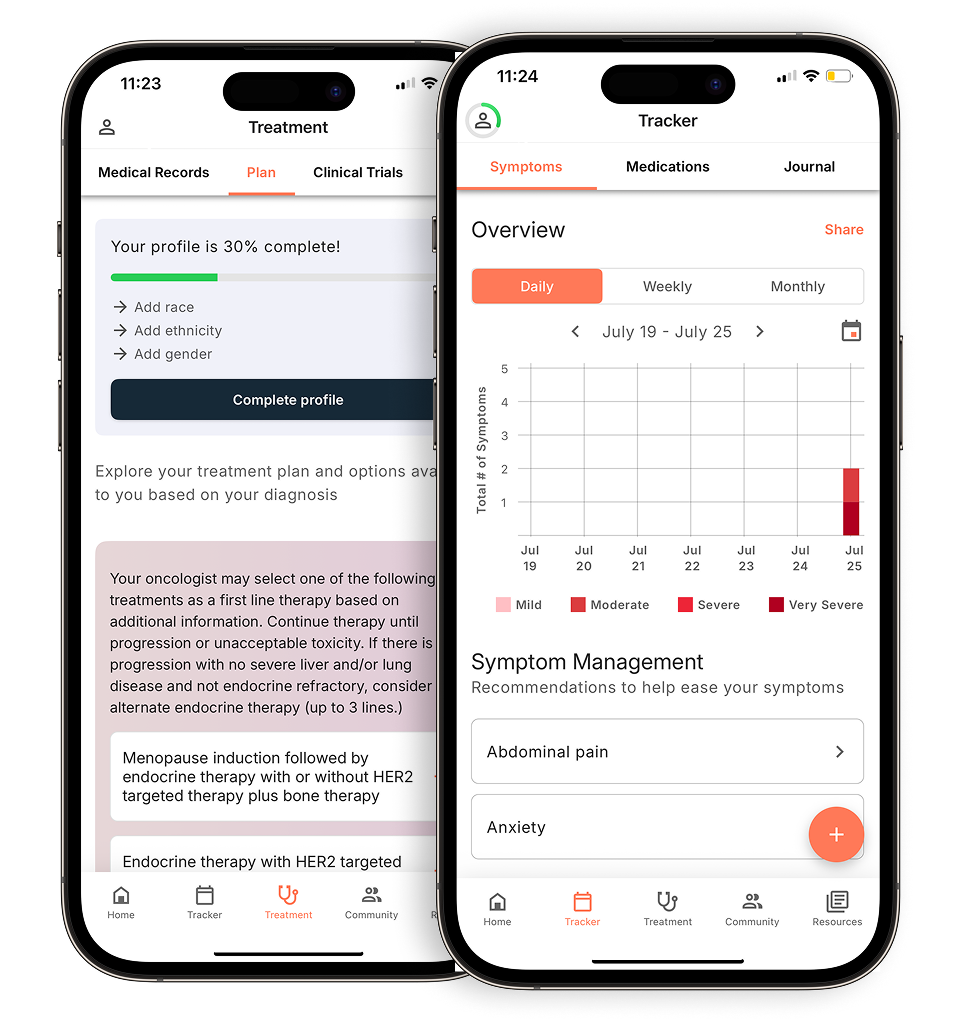
A plant-based cancer diet built around seasonal produce also supports a broader evidence-based approach to recovery. Research consistently links higher vegetable and fruit intake with reduced inflammation and improved treatment outcomes. Eating what’s naturally available each season encourages variety, which helps ensure you’re getting a wider range of protective compounds.
Practical nutrition choices and building mindful habits around food complement seasonal eating beautifully, making it easier to nourish your body without feeling overwhelmed.
Top spring produce: Nutritional powerhouses
Knowing which spring seasonal fruits and vegetables to prioritize is where it gets practical. Some of our favorite spring produce include:
- Asparagus: Rich in folate and glutathione, a potent antioxidant linked to cellular repair
- Spinach and arugula: Leafy greens packed with vitamins C, K, and cancer-protective carotenoids
- Strawberries: High in ellagic acid, a compound studied for its ability to slow abnormal cell growth
- Peas: A surprising source of plant-based protein and immune-supportive zinc
- Artichokes: Among the highest antioxidant-rich vegetables available and even packs some protein
Pairing smart nutrition choices with other integrative approaches to cancer care can create a supportive foundation for recovery. Once you know what to reach for, the next step is making these ingredients work in your everyday meals.
Incorporating spring produce into your meals
Knowing which produce to eat is only half the equation, the other half is making it work in real life. Your diet doesn’t need to be complicated or restrictive to be effective. Simple preparations often preserve the most nutrients while keeping meals appealing, especially when appetite and taste sensitivity can shift during or after treatment.
Here are a few practical approaches:
- Toss asparagus or snap peas into a stir-fry with olive oil, garlic, and lemon.
- Blend spinach or arugula into smoothies for added fiber and nutrition.
- Add sliced strawberries to oatmeal or yogurt or enjoy them as an easy snack.
- Layer spring greens into soups, grain bowls, or eggs for versatile, low-effort nutrition.
- Intimidated by cooking artichokes? Try adding canned artichokes in olive oil into your salads or bowls.
In practice, starting small, one new seasonal ingredient per week, makes sustainable change far more manageable than overhauling your entire plate at once. Eating well during recovery isn’t about perfection; it’s about consistent, nourishing choices that support your body when it needs it most.
For broader guidance on nutrition and lifestyle habits that complement cancer care, your medical team remains your most important resource.
Common misconceptions about seasonal eating
Even with the best intentions, some persistent myths can steer cancer survivors’ nutrition in the wrong direction. Let’s clear a few up.
“Frozen produce is nutritionally inferior.” Not necessarily. While fresh, in-season produce is often at its peak, high-quality frozen fruits and vegetables are typically frozen shortly after harvest, locking in nutrients effectively. Seasonal eating is about prioritizing fresh when it’s available, not abandoning convenience options entirely.
“Eating seasonally means a limited diet.” In practice, rotating with the seasons may actually expand your dietary variety over time, introducing a wider range of phytonutrients throughout the year. You may end up trying produce you wouldn’t have otherwise.
“Organic is the only worthwhile option.” Research consistently emphasizes that eating more produce, organic or conventional, outweighs the risks of eating less out of concern for cost or availability.
Always discuss significant dietary changes with your care team, especially if you’re managing treatment side effects or weighing complex care decisions. They may recommend you to an oncology dietitian to help you meet your specific goals.
Key takeaways
Research on diet and cancer is ongoing, and it’s important to remember that no single food is a cure. However, the consistent pattern across studies points to a plant-rich diet as a meaningful factor in supporting overall health outcomes. For more guidance tailored to your specific needs, explore patient-friendly resources in the Outcomes4Me app.
Personalized support for real care decisions
Understand your diagnosis, explore clinical trials, and track symptoms--all in one place.
Get started
Compare treatments, prepare for appointments, and track side effects—all in the app
Built for your diagnosis, Outcomes4Me gives you the tools to make confident, informed decisions—right when you need them.
Continue in app