
The clinical role of nutrition in your treatment path
Nutrition during cancer treatment can directly shape what your body can withstand and recover from. Research consistently shows that patients who maintain adequate nutritional status are better able to tolerate treatment side effects, experience fewer treatment interruptions, and recover more effectively. When your body is under the sustained stress of treatment, what you eat becomes part of the treatment itself.
One of the most urgent priorities your care team watches for is unintended weight loss. Muscle wasting — known clinically as cachexia — is a serious complication that can limit your treatment options and reduce your overall strength and resilience. Maintaining weight isn’t just about feeling well; it’s about preserving the physical reserves your body needs to complete the course of care your oncologist has recommended.
Personalized nutrition matters here because no two treatment plans are identical. The side effects you experience from immunotherapy differ significantly from those caused by radiation or hormone therapy, and your diet should reflect that reality. A one-size-fits-all approach simply doesn’t hold up when the clinical picture is this complex.
What to eat: Prioritizing nutrient density and tissue repair
Lean protein is crucial for tissue repair. Treatments like chemotherapy and radiation break down healthy cells alongside cancerous ones, and protein is what your body uses to rebuild. Lean proteins, including eggs, Greek yogurt, chicken, fish, and tofu, are essential for this process. If appetite is limited, high-protein options that are easy to eat in small amounts — a spoonful of nut butter, a few bites of soft tofu — can still make a meaningful difference.
Healthy fats provide calorie density when eating is challenging. Weight maintenance is a real clinical concern during treatment, and foods like avocado, nuts, and olive oil pack significant calories into small portions. These fats also support hormone function and combat inflammation. On the other hand, not all high-fat foods are appropriate. Ask your care team to refer you to an oncology dietitian for more personalized guidance
Evidence-based guidance powered by NCCN Guidelines®
Personalized treatment plans shaped by the latest oncology standards—tailored to your diagnosis.
Get started
View your personalized treatment plan in the Outcomes4Me app
Use your diagnosis to unlock personalized NCCN Guidelines®-aligned recommendations.
Continue in app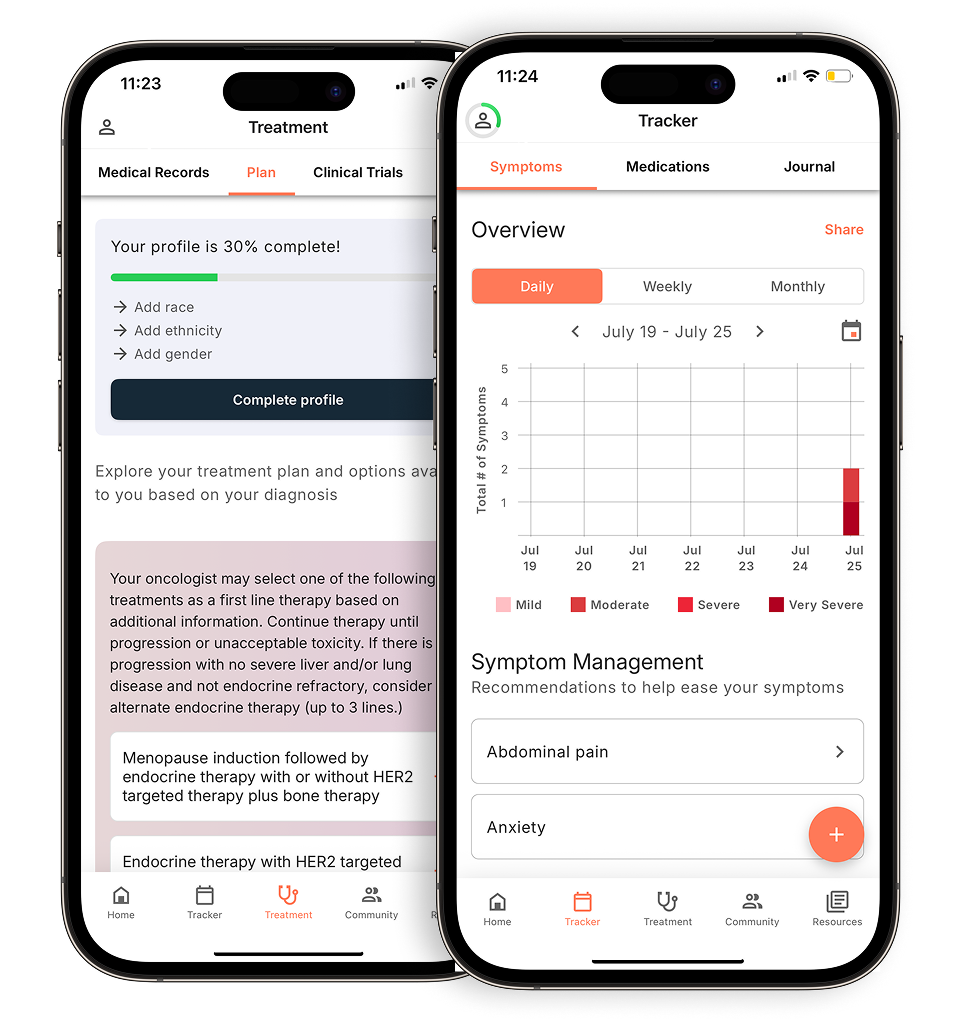
Whole carbohydrates and hydrating foods complete your plate. Fatigue is one of the most reported side effects of treatment, and quinoa, oatmeal, and sweet potatoes help provide sustained energy and fiber. Equally important is hydration. Side effects like nausea, vomiting, and diarrhea can accelerate dehydration quickly, making hydrating foods like watermelon and broths a smart addition to daily meals. Understanding what to prioritize naturally raises the other side of the equation — knowing which foods to avoid during chemotherapy and other treatments that could put a compromised immune system at risk.
The neutropenic diet: Critical foods to avoid for safety
When your immune system is suppressed by cancer treatment, foods that pose minimal risk to a healthy person can become genuinely dangerous. During active treatment, your body can’t fight off the bacterial and fungal threats that your immune system would normally neutralize.
Here’s what to remove from your plate:
- Raw or undercooked proteins — sushi, rare steak, and runny eggs all carry an elevated risk of Salmonella, E. coli, and Listeria. Ensure all proteins are cooked to safe internal temperatures.
- Unpasteurized products — this includes soft cheeses, raw milk, unpasteurized juices, and raw honey.
- Unwashed produce and raw sprouts — sprouts in particular are grown in warm, moist conditions that favor bacterial growth. Even thorough rinsing may not eliminate the risk.
- Alcohol — beyond its well-documented interaction with drug metabolism, alcohol worsens dehydration and can impair how your body absorbs and processes chemotherapy agents.
It’s worth noting that neutropenic diet guidelines can vary depending on your treatment protocol and specific diagnosis. Always confirm which restrictions apply to you with your care team — what’s appropriate for one patient may differ for another. Knowing what to avoid is only part of the picture. The next challenge is figuring out what you can eat when treatment side effects make even the safest foods difficult to manage.
Cancer care guidance for every step of your journey
Get treatment options, clinical trials, and support tailored to your diagnosis--all in one place.
Get started
See treatment options, manage symptoms, and stay informed—all in the app
View treatment options and trials personalized to your diagnosis—plus track progress in real time.
Continue in appManaging side effects: Meal ideas for common challenges
Adjusting a cancer diet means working around real, daily obstacles, including nausea, metallic taste, mouth pain, and appetite loss.
Nausea: Cold and room-temperature foods are preferable because heat intensifies aroma, and strong smells can trigger nausea. Bland choices — plain crackers, dry toast, cold rice — stay down more easily. Ginger tea is a well-supported option; ginger has demonstrated anti-nausea properties in clinical settings. Eat slowly and avoid lying down immediately after a meal.
Metallic taste: “Chemo-mouth” is one of the most disruptive and least-discussed side effects of treatment. Using plastic utensils instead of metal ones can meaningfully reduce that metallic sensation. Tart flavors — lemon juice, lime zest, vinegar-based dressings — can also help mask the effect. Marinating proteins in citrus before cooking is a practical workaround worth trying.
Sore mouth and throat: Mucositis and throat soreness make textured or acidic foods painful. Soft, non-acidic options like mashed potatoes, oatmeal, scrambled eggs, and blended smoothies minimize irritation while still delivering calories and nutrients. Avoid citrus here — the same tart flavors that help with taste changes can aggravate an already-sensitive mouth. Temperature matters too; lukewarm tends to be more comfortable than hot or very cold.
Appetite loss: Forcing three full meals when appetite is low can often backfire. A more effective approach is eating six small meals spread across the day — this keeps calorie intake steady without overwhelming a sensitive stomach. Keeping easy, nutrient-dense snacks within reach (nut butter, yogurt, avocado) makes it easier to eat when a small window of appetite opens up.
These practical adjustments can make a real difference in whether you’re able to eat consistently throughout treatment.
Personalizing your nutrition with clinical data
Your genetic profile and cancer type can directly shape how your body absorbs and processes the nutrients you need most during treatment. Precision nutrition research suggests that individual biological differences influence everything from protein synthesis to how well your gut tolerates certain foods. What works well for one patient may be counterproductive for another, which is why a one-size-fits-all approach rarely holds up in oncology settings.
Tracking what you eat alongside your symptoms gives your care team actionable data. If you’re struggling with how to increase appetite during cancer treatment, logging your food intake and related symptoms — fatigue, nausea, taste changes — helps your oncologist and dietitian identify patterns and adjust your plan accordingly. In practice, even a simple daily log can surface connections that a standard clinical visit might miss.
Having your medical records, symptom history, and nutrition goals in one secure location like the Outcomes4Me app removes a significant cognitive burden. When everything is consolidated, you’re better positioned to ask informed questions, advocate for adjustments, and stay aligned with your clinical guidelines.
The bottom line: Your nutritional action plan
Here are the core principles to anchor your daily approach:
- Lean proteins and healthy fats first. Prioritize chicken, fish, eggs, legumes, avocado, and olive oil to preserve muscle, support tissue repair, and sustain energy between treatments.
- Eat small, eat often. Six nutrient-dense mini-meals a day is a practical strategy for managing appetite loss and nausea — keeping calories and protein consistent even when hunger signals are unreliable.
- Protect your immune system. Avoid raw or unpasteurized foods during treatment. Compromised immunity makes foodborne pathogens a genuine clinical risk.
- Counter taste changes strategically. Tart flavors — lemon, vinegar, pickled foods — and plastic utensils can reduce the metallic taste that chemotherapy often causes.
- Work with an oncology dietitian. General guidance is a starting point; your specific cancer type, treatment protocol, and lab values require individualized recommendations. An oncology dietitian bridges that gap.
The right nutritional plan isn’t one-size-fits-all — it is built around your treatment, your biology, and your daily reality.
Download the Outcomes4Me app to access personalized, evidence-based resources that put you in control of navigating your condition — because better outcomes start with better information.
Personalized support for real care decisions
Understand your diagnosis, explore clinical trials, and track symptoms--all in one place.
Get started
Compare treatments, prepare for appointments, and track side effects—all in the app
Built for your diagnosis, Outcomes4Me gives you the tools to make confident, informed decisions—right when you need them.
Continue in app