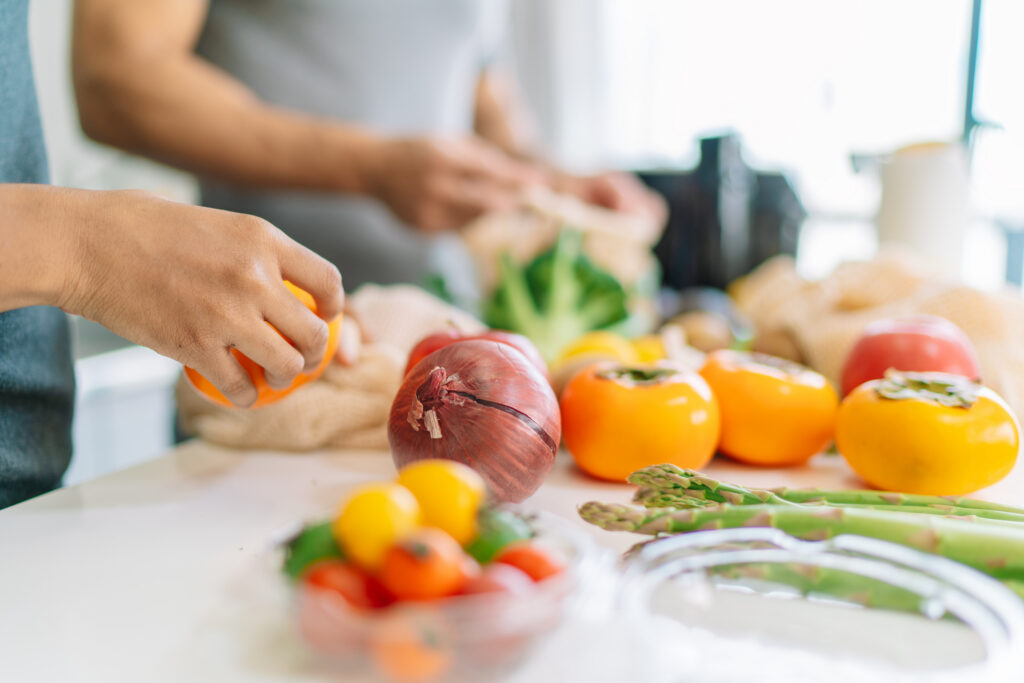
An anti-inflammatory diet for cancer patients is grounded in the biology of how cancer grows and how treatment affects your body. Understanding that connection puts you in a stronger position to make choices that actively support your care.
Acute inflammation is your body’s natural healing response, a short-term surge of immune activity that repairs damaged tissue and clears out pathogens. Chronic inflammation is different. It’s a persistent, low-grade immune activation that, over time, creates a cellular environment where damage accumulates unchecked. According to research on chronic inflammation, it can create conditions that promote tumor growth and suppress the immune response, meaning your body’s own defense system gets turned against it.
Researchers have observed that inflammation may play a role in how cancer cells grow and spread. While the exact mechanisms are still being studied, some evidence suggests that reducing inflammatory signals in the body could be a helpful part of your overall care plan, something worth discussing with your care team.
Treatment adds another layer of complexity. Chemotherapy and radiation can cause irritation and inflammation in various parts of the body, including the mouth, throat, and digestive tract, as they work to treat cancer. This is where what you eat during treatment plays an important role in helping your body heal, maintain strength, manage side effects, and support your overall well-being, and why working with an oncology nutritionist can make a meaningful difference.
This emerging field, often called nutritional oncology, positions food as a meaningful pillar of cancer care, working alongside medical treatment to help modulate inflammation, protect healthy tissue, and support recovery.
The power players: top anti-inflammatory foods for treatment
A well-structured diet for anti-inflammation focuses on consistently choosing ingredients whose active compounds work at a cellular level to support your body during treatment.
Cruciferous vegetables (broccoli, cauliflower, Brussels sprouts, and kale) contain sulforaphane, a compound that researchers have studied for its potential role in supporting the body’s natural defense systems. Some patients and care teams include these vegetables as part of an anti-inflammatory eating approach during treatment.
Omega-3 fatty acids, found in fatty fish like salmon and in walnuts, are recognized as powerful inflammation fighters that can help reduce systemic inflammation, according to Johns Hopkins Medicine. Aim to include omega-3-rich foods several times a week as a practical baseline.
Berries (blueberries, strawberries, and blackberries) contain anthocyanins, plant pigments with antioxidant and anti-inflammatory properties that may help neutralize free radicals in the body. Berries are efficient anti-inflammatory additions to any plate.
Evidence-based guidance powered by NCCN Guidelines®
Personalized treatment plans shaped by the latest oncology standards—tailored to your diagnosis.
Get started
View your personalized treatment plan in the Outcomes4Me app
Use your diagnosis to unlock personalized NCCN Guidelines®-aligned recommendations.
Continue in app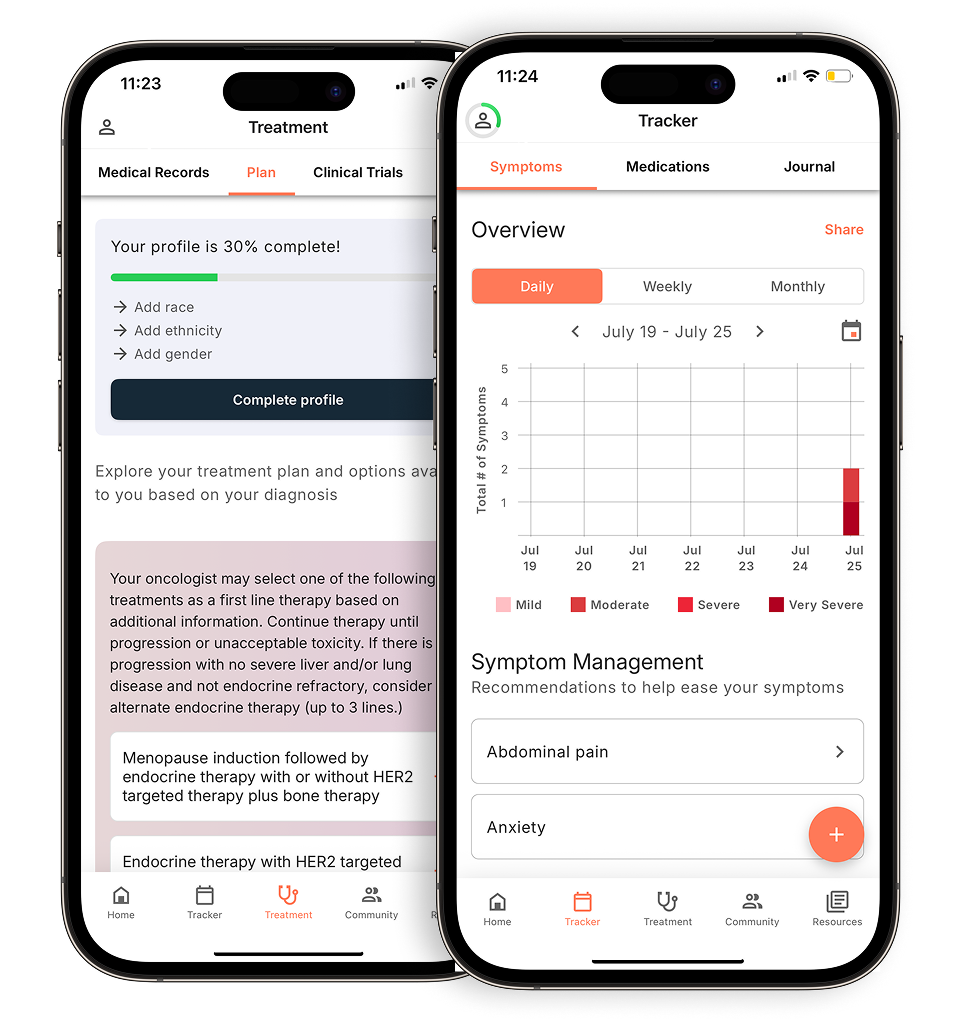
Turmeric requires proper pairing for effectiveness. Curcumin, turmeric’s active compound, has low bioavailability on its own, but combining turmeric with black pepper (piperine) and a healthy fat increases absorption, as noted by Harvard Health.
Pro-tip: bioavailability matters. Some research suggests that cooking turmeric with olive oil and black pepper may help your body absorb curcumin more effectively than turmeric alone, a combination many people find practical to add to everyday meals. The same principle applies to fat-soluble nutrients like the carotenoids in cruciferous vegetables, eating them with a small amount of healthy fat helps your body absorb far more of what’s on your plate.
Navigating the ‘no’ list without the stress
Knowing which foods to reduce inflammation during chemotherapy is just as important as knowing which ones to add, but that knowledge shouldn’t become a source of anxiety on top of everything else you’re already managing.
The goal is a consistently improved diet, especially when appetite, energy, and access to food can shift dramatically from one day to the next during treatment.
Certain foods are worth limiting because of well-established biological mechanisms. Refined sugars and high-fructose corn syrup may influence insulin and related growth factors in the body. Some research suggests these foods warrant limiting during cancer treatment, though your care team can advise whether this applies to your specific situation. Ultra-processed meats (think deli meats, hot dogs, and packaged sausages) and red meats are foods that can trigger inflammation in your body when eaten frequently. It’s also worth distinguishing between fats: trans fats found in partially hydrogenated oils actively promote inflammation, whereas unsaturated fats, like those in olive oil and avocado, do the opposite.
On the harder days, a flexible approach holds up better than a rigid one. The 80/20 rule serves as a practical framework: aim for anti-inflammatory choices roughly 80% of the time, and don’t let the remaining 20% derail your confidence. Oncology nutrition experts can help you build that structure in a way that accounts for your specific treatment protocol and side effects, without adding unnecessary pressure.
Low-effort strategies for fatigue and ‘chemo brain’ days
When energy is low and concentration is scattered, maintaining anti-inflammatory eating feels hardest, but it’s also when it matters most. On difficult days, eating small, frequent, nutrient-dense meals is far more sustainable than attempting full home-cooked dinners. Eating hints for cancer patients often center on frequent, nutrient-dense snacks rather than three large meals, a simple reframe that removes a lot of pressure.
Cancer care guidance for every step of your journey
Get treatment options, clinical trials, and support tailored to your diagnosis--all in one place.
Get started
See treatment options, manage symptoms, and stay informed—all in the app
View treatment options and trials personalized to your diagnosis—plus track progress in real time.
Continue in appSmoothies are one of the most efficient tools available on low-appetite days. Blend a handful of spinach with frozen berries, a scoop of plant-based protein, a teaspoon of turmeric, and unsweetened almond milk, and you’ve delivered greens, antioxidants, and anti-inflammatory compounds in under five minutes. No chopping, no standing at the stove.
Mouth sores require a gentler approach, and chilled soups can provide that. A turmeric ginger lentil soup, prepared in advance and served cold or at room temperature, soothes irritated tissue while still providing protein and curcumin’s anti-inflammatory benefits. Avoiding acidic or spicy ingredients keeps it tolerable on sensitive days.
Batch-cooking on stronger days protects you on harder ones. Preparing soups, grains, or roasted vegetables in larger quantities and freezing individual portions means a nourishing meal is always one reheat away. On true zero-energy days, no-cook options close the gap: a small handful of walnuts, a bowl of blueberries, or avocado on whole-grain toast all deliver meaningful nutrition without any cooking at all. A registered dietitian can help you build a realistic plan around your treatment schedule.
Of course, what works on a moderate fatigue day may not work during your most intense treatment cycles, and that’s where personalized guidance becomes essential.
Personalizing your nutrition with clinical data
Anti-inflammatory eating isn’t a universal prescription. The connection between chronic inflammation and cancer is real, but how that plays out in your body depends on your cancer type, treatment protocol, and even your genetic profile. What reduces inflammation for one patient may be less effective or harder to tolerate for another. That’s why shifting from general guidelines to personalized, data-informed nutrition is one of the most meaningful steps you can take.
Track symptoms and dietary choices together to see real patterns emerge. When you notice that certain foods coincide with increased fatigue, digestive discomfort, or brain fog, you give your oncology team something concrete to work with. Digital tools that centralize this kind of information are increasingly important, helping to bridge the communication gap that so often exists between appointments.
This is also where clinical evidence frameworks matter. Evidence-based nutrition guidance emphasizes that a diet with a focus on plant-based foods along with regular exercise will help cancer patients keep a healthy body weight, maintain strength, and decrease side effects both during and after treatment.
The goal isn’t perfection. It’s building a feedback loop between what you eat, how you feel, and what the evidence supports, so that your nutrition plan reflects your actual situation, not just a general template. The next section distills all of this into a practical checklist you can start using right away.
Your anti-inflammatory checklist
A balanced, anti-inflammatory diet supports the body’s natural recovery processes during and after cancer treatment, and the practical steps to get there are more manageable than they might seem. What you eat consistently matters far more than perfection on any single day.
- Prioritize whole, plant-based foods. Berries, cruciferous vegetables, and leafy greens deliver antioxidants that help combat oxidative stress at the cellular level. Aim to fill at least half your plate with these at every meal.
- Pair your spices strategically. Turmeric’s active compound, curcumin, absorbs significantly better when combined with a healthy fat and a pinch of black pepper, a small habit with a meaningful payoff.
- Limit ultra-processed meats and refined sugars. According to Johns Hopkins Medicine’s cancer diet guidance, it’s best to avoid highly refined and processed foods, as well as fried foods containing hydrogenated oils, which can increase inflammation during cancer treatment.
- Adopt the 80/20 rule. Nourishing choices 80% of the time leaves room for the realities of treatment fatigue without derailing your overall nutritional goals.
- Work closely with your oncology team and an oncology dietitian. As covered earlier, tailoring these principles to your specific needs, including your treatment type and individual side effects, is what transforms general guidance into a genuinely effective strategy.
Taking control: next steps for your care
What you eat is one of the few variables you can actively shape during cancer treatment, and that kind of agency matters. While your care team manages the clinical complexity of your diagnosis, an anti-inflammatory eating pattern puts meaningful support directly in your hands. It won’t replace treatment, but it reinforces your body’s capacity to respond to it, recover from it, and carry on through it.
Finally, be patient with yourself. Treatment affects appetite, energy, and digestion in unpredictable ways. Progress in anti-inflammatory eating looks different for everyone; some days it’s a full plate of colorful vegetables, other days it’s simply staying hydrated and keeping food down. Both count.
Medical disclaimer: This article is for informational purposes only and is not a substitute for professional medical advice, diagnosis, or treatment. Always consult your oncologist or a registered dietitian before making changes to your diet during cancer treatment.
Personalized support for real care decisions
Understand your diagnosis, explore clinical trials, and track symptoms--all in one place.
Get started
Compare treatments, prepare for appointments, and track side effects—all in the app
Built for your diagnosis, Outcomes4Me gives you the tools to make confident, informed decisions—right when you need them.
Continue in app