
If you’ve ever been diagnosed with cancer, or even if you’re simply trying to lower your cancer risk, you might have heard the advice: “Stop eating sugar because sugar feeds cancer.”
It’s one of the most common nutrition myths in cancer care. While it’s true that limiting refined sugars is good for your overall health, the “danger” of sugar can be misunderstood and can lead people to unnecessarily restrict foods or feel guilty about what they eat.
Here’s what researchers actually know about sugar, cancer, and your diet.
The truth: cells use sugar for energy
Sugar, or glucose, is your body’s primary source of energy. Most cells in your body, including healthy cells, brain cells, muscles, and yes, cancer cells, use glucose to function.
Cancer cells often consume glucose more rapidly than healthy cells because they grow and divide quickly. This characteristic is actually why PET scans work: they use a radioactive form of glucose to help identify areas where cells are especially active.
However, eating sugar does not selectively “feed” cancer cells while starving healthy cells. Your body carefully regulates blood glucose levels, regardless of whether you eat sugar, bread, fruit, or other carbohydrates.
Evidence-based guidance powered by NCCN Guidelines®
Personalized treatment plans shaped by the latest oncology standards—tailored to your diagnosis.
Get started
View your personalized treatment plan in the Outcomes4Me app
Use your diagnosis to unlock personalized NCCN Guidelines®-aligned recommendations.
Continue in app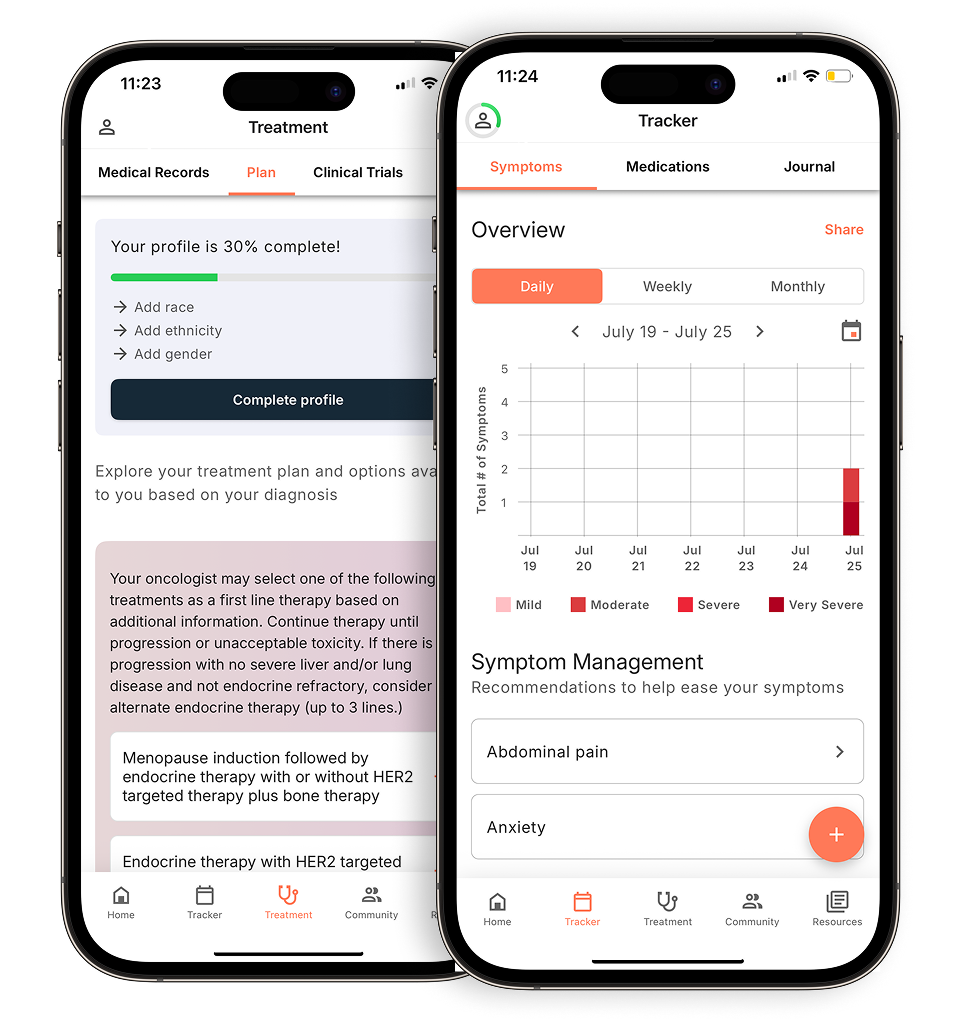
Does eating sugar cause cancer?
Scientific evidence says no.
Major organizations including the American Cancer Society, the National Cancer Institute, and the World Cancer Research Fund agree that there is no evidence that eating sugar directly causes cancer or makes existing cancer grow faster. At the same time, evidence shows that a high-sugar diet may lead to obesity, which is a known risk factor for cancer.
Your body breaks down carbohydrates including fruits, vegetables, whole grains, and sweets into glucose. Even if you eliminated table sugar completely, your body would still produce glucose from other foods because it’s essential for survival.
Where sugar may increase cancer risk
Sugar itself doesn’t directly cause cancer; however, consuming too much added sugar may indirectly increase cancer risk.
A diet high in sugary drinks, desserts, and ultra-processed foods can contribute to:
- Weight gain and obesity
- Insulin resistance
- Type 2 diabetes
- Chronic inflammation
These conditions have all been linked to an increased risk of several cancers, including breast (after menopause), colorectal, endometrial, esophageal, kidney, pancreatic, and liver cancers. Research suggests that excess calorie intake and obesity, and not sugar itself, are the stronger drivers of increased cancer risk.
Should people with cancer avoid sugar entirely?
For most people, avoiding sugar entirely isn’t necessary. During cancer treatment, maintaining adequate nutrition is often far more important than eliminating sugar. Treatments such as chemotherapy, radiation, and surgery can reduce appetite, change taste, or make eating difficult.
Sometimes foods containing sugar, even ice cream, smoothies, yogurt, or nutritional drinks, can help patients consume enough calories and protein when they’re struggling to eat. Restrictive diets that eliminate entire food groups may increase the risk of malnutrition, which can interfere with treatment and recovery.
If you have diabetes or another medical condition that affects blood sugar, talk with your oncology team or a registered dietitian about the best nutrition plan for your situation.
What about natural sugar?
Fruits, vegetables, milk, and yogurt naturally contain sugars, but they also provide vitamins, minerals, fiber, antioxidants, and other nutrients that support overall health. Research consistently shows that diets rich in fruits and vegetables are associated with better overall health and may help reduce the risk of several cancers.
For most people, experts recommend limiting added sugars, not avoiding nutritious foods that naturally contain sugar.
How much sugar is “OK?”
The American Heart Association recommends limiting added sugar to approximately:
- Women: no more than 25 grams (6 teaspoons) per day
- Men: no more than 36 grams (9 teaspoons) per day
Many sugar-sweetened beverages contain more than this in a single serving. Reducing added sugar can improve overall health, support a healthy weight, and lower the risk of chronic diseases, even though it won’t directly prevent or treat cancer.
What does all of this guidance mean for you?
The idea that “sugar feeds cancer” oversimplifies how the body works. While cancer cells use glucose for energy, so does every healthy cell in your body. Current research does not show that eating sugar directly causes cancer or speeds cancer growth.
Instead of focusing on eliminating sugar entirely, experts recommend an overall healthy eating pattern that includes:
- Plenty of fruits and vegetables
- Whole grains
- Lean sources of protein
- Healthy fats
- Limited added sugars and sugary beverages
If you’re living with cancer, the best nutrition plan is one that supports your treatment, helps you maintain strength, and meets your individual needs.
For more insight into how to navigate your nutrition during a cancer diagnosis, watch the Outcomes4Me webinar with oncology dietitian Rachel Beller, MS, RDN, CEO of the Beller Nutritional Institute.
Personalized support for real care decisions
Understand your diagnosis, explore clinical trials, and track symptoms--all in one place.
Get started
Compare treatments, prepare for appointments, and track side effects—all in the app
Built for your diagnosis, Outcomes4Me gives you the tools to make confident, informed decisions—right when you need them.
Continue in app