
Somatic therapy addresses not only the mind but also the body, where trauma and stress often reside. For cancer patients, this body-centered approach provides a way to process experiences stored in muscles, breath patterns, and the nervous system, which conventional talk therapy might overlook. Unlike techniques focused on verbal processing, somatic therapy engages with physical sensations and heightened awareness.
The framework is simple: your body retains experiences that words can’t fully express. For cancer patients, this could mean muscle tension from stress, shallow breathing from fear, self-esteem issues, or disconnection from bodily sensations post-treatment. Somatic therapy helps rebuild the mind-body connection, fostering healing beyond medical treatment.
Why somatic therapy is beneficial for cancer patients
Cancer treatment affects both body and mind, altering one’s physical experience. Chemotherapy, radiation, and surgery leave lasting physical marks: neuropathy, fatigue, and surgical scars. Somatic therapy addresses the mind-body disconnect that can occur after a diagnosis.
Evidence-based guidance powered by NCCN Guidelines®
Personalized treatment plans shaped by the latest oncology standards—tailored to your diagnosis.
Get started
View your personalized treatment plan in the Outcomes4Me app
Use your diagnosis to unlock personalized NCCN Guidelines®-aligned recommendations.
Continue in app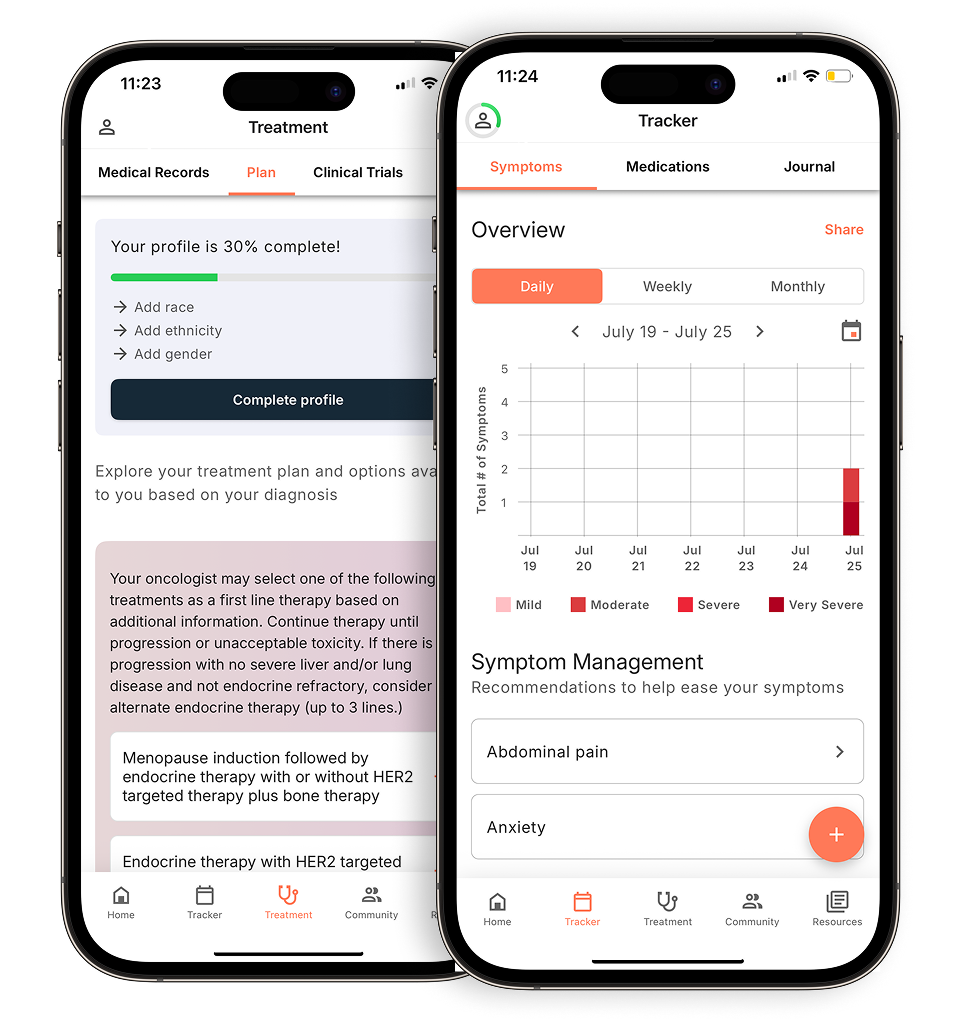
Somatic movement helps reclaim bodily ownership during and post-treatment. One study found that somatic yoga and meditation improved mobility and balance in cancer survivors facing chronic pain from aromatase inhibitors. Cancer creates trauma not just mentally but also physically. The nervous system retains treatment memories in muscle tension and altered breathing. Somatic approaches offer tools to release these patterns, teaching the body it’s safe to move and breathe freely again. This is especially valuable during the transition from active treatment to survivorship.
Components of somatic therapy: Techniques explained
Somatic therapy comprises various body-centered practices aimed at releasing stress and tension. For cancer patients, this includes breathwork to calm the nervous system, gentle movements like somatic yoga to reconnect with the body, and body scanning meditation to check in with oneself without judgment.
Practically, somatic therapy aids cancer patients through techniques like grounding exercises, standing barefoot or pressing feet into the floor during stress, and pendulation, shifting focus between tension and ease in the body. These accessible tools require no special equipment, just a willingness to listen to your body.
How somatic therapy enhances mind-body connection
Cancer treatment can create a mind-body disconnect, making you feel detached from yourself. Mind-body therapies help rebuild this relationship by teaching recognition and response to physical sensations.
Somatic yoga, focusing on internal awareness rather than performance, helps reestablish this connection. Unlike traditional yoga, somatic yoga involves slow movements to retrain the nervous system. Research shows that cancer survivors practicing somatic yoga report improved body awareness and reduced pain perception.
Somatic therapy benefits for cancer patients extend beyond symptom relief. Body-centered techniques enhance internal communication, allowing you to notice and release physical tension, thus preventing symptoms from escalating. Over time, this changes how you experience and care for your body.
Somatic therapy in practice
How does somatic therapy look for cancer patients? Here are practical applications.
Managing pre-treatment anxiety: You may feel anxious before starting treatment. The tension may build in your neck, jaw, shoulders, or another part of the body. Somatic movement and therapy can help release some of the tension and stress that you’re holding.
Post-surgery recovery: After a surgery, patients may feel disconnected from their bodies. A somatic therapist may guide gentle touch exercises to rebuild neural pathways, reclaim body ownership, and boost self-esteem.
Chemotherapy side effects: When nausea occurs, grounding exercises, feeling feet on the floor, noticing breath, gentle neck rolls, can activate the parasympathetic nervous system, providing relief beyond medication.
These are practical tools that fit into treatment schedules and daily routines, meeting you wherever you are physically and emotionally.
Not a replacement for medical treatment
Somatic therapy isn’t a replacement for standard treatment, but rather an approach that complements conventional treatment to enhance the body’s ability to cope with side effects. Finding a qualified practitioner knowledgeable in cancer care ensures safe, appropriate support.
Integrating somatic therapy into cancer care
Integrating somatic therapy into cancer care is about combining conventional treatment with body-based approaches.
Start by discussing with your oncology team. Many cancer centers recognize the value of complementary therapies and can refer you to qualified practitioners. Some institutions offer evidence-based somatic exercises as part of supportive care programs for managing side effects like neuropathy or fatigue.
Integration works best collaboratively. Your somatic therapist should communicate with your medical team, ensuring everyone is aligned on your care.
Timing is also crucial. Some find somatic work helpful during active treatment for stress and discomfort, while others benefit during recovery to process emotional aftermath. Your needs will guide the path forward.
To learn more about integrative approaches that focus on mind-body connection, watch our webinar with City of Hope’s Dr. Krisstina Gowin.
Personalized support for real care decisions
Understand your diagnosis, explore clinical trials, and track symptoms--all in one place.
Get started
Compare treatments, prepare for appointments, and track side effects—all in the app
Built for your diagnosis, Outcomes4Me gives you the tools to make confident, informed decisions—right when you need them.
Continue in app