How lucky are we to share our lives with beloved pets?
Pet therapy, also known as animal-assisted therapy, is exactly what it sounds like: a therapeutic intervention where animals are relied upon to support patients across a variety of populations and settings. This approach shows promise for numerous diagnoses; in oncology, pet therapy has been proven to reduce anxiety and increase relaxation among patients undergoing cancer treatment.
How does pet therapy become a clinical approach?
Pet therapy isn’t just spending time with your furry friends and family members. It’s a structured experience where trained animals and handlers visit healthcare settings to help people emotionally, and sometimes physically, during treatment. Therapy dogs, for example, might be present in chemotherapy infusion suites, hospital waiting rooms, oncology wards, or supportive care programs.
How do cancer patients benefit from pet therapy?
Reduced anxiety and stress
Evidence-based guidance powered by NCCN Guidelines®
Personalized treatment plans shaped by the latest oncology standards—tailored to your diagnosis.
Get started
View your personalized treatment plan in the Outcomes4Me app
Use your diagnosis to unlock personalized NCCN Guidelines®-aligned recommendations.
Continue in app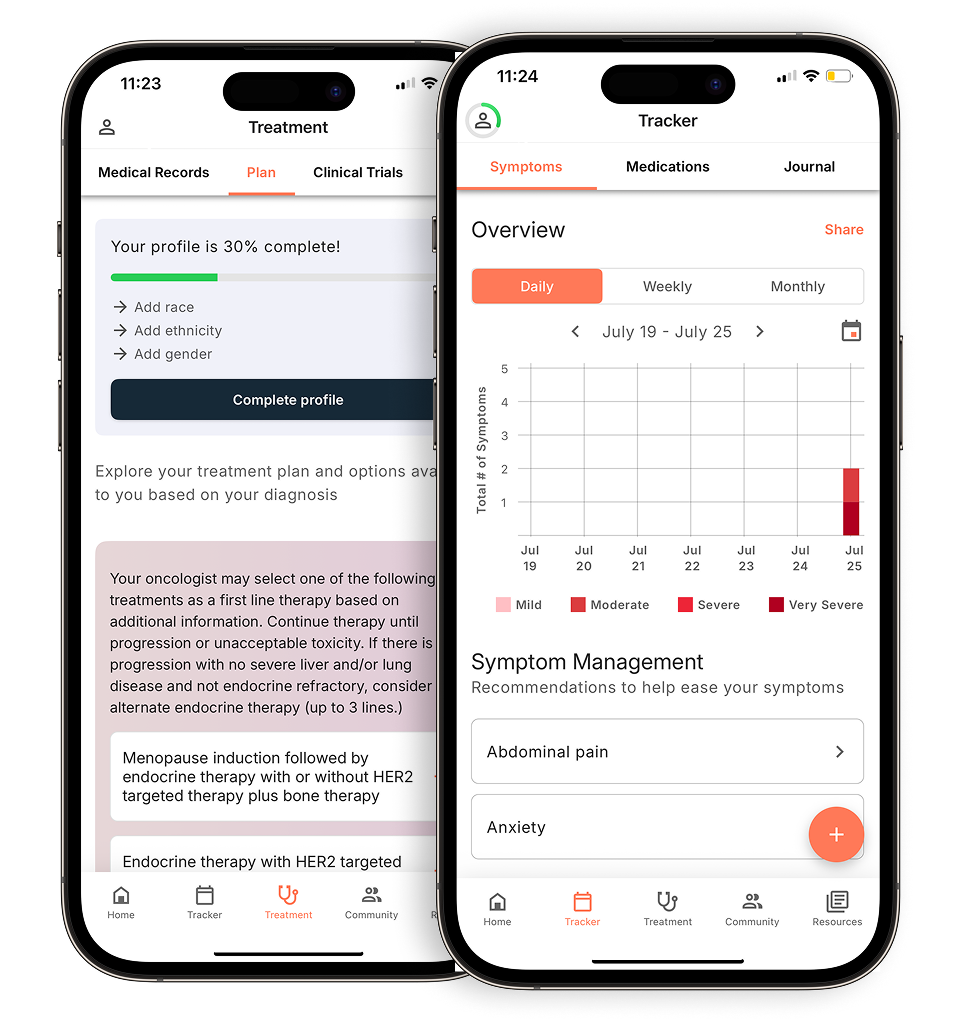
Many people describe feeling calmer and more relaxed after a pet therapy visit. Research in cancer care settings has found that patients waiting for treatment reported feeling more comfortable and believed pet therapy could help reduce their anxiety and distress.
Improved emotional well-being & quality of life
Pet therapy isn’t a shiny new tool. A clinical study led by researchers from Mount Sinai over a decade ago determined that adults receiving both chemotherapy and radiation found that regular visits from certified therapy dogs helped improve emotional well-being and overall quality of life, even during difficult treatment regimens.
Companionship
Even outside of formal therapy programs, many cancer patients find deep comfort and emotional support from their own pets at home. Pets can be a source of routine, purpose, and companionship.
Why is pet therapy effective?
Studies show that therapy dogs decrease cancer patients’ anxiety and improve relaxation during chemotherapy and infusion sessions. Researchers suggest there are numerous reasons for this, including:
- Distraction from stress and pain
- Positive interaction, which can lift mood
- Physical touch, which may promote relaxation
- Routine and engagement during treatment days
What do you need to know about safety?
Pet therapy visits are designed with safety in mind. Animals are trained, certified, and screened, while their handlers follow specific hygiene protocols as outlined by the care facility. Providers may also limit visits with therapy animals for patients with weakened immune systems.
If you’re immunocompromised (e.g., you have low white blood cell counts), always check with your oncology care team before you participate in pet therapy.
Pet therapy resources
There are several groups that serve as authorities on pet therapy. Pet Partners helps facilities match with pet therapy animals, and also helps pet owners pursue training and accreditation to help their pets become therapy partners. Alliance of Therapy Dogs also offers similar services, as does Paws for People.
Guidance for patients and caregivers looking for pet therapy
- Ask your nurse, social worker, or support services if your center offers therapy animal visits.
- If you have your own pets at home, talk with your medical team about ways to safely maintain that bond during treatment.
- Pets can be part of coping strategies but they don’t replace other emotional support like therapy, support groups, or counseling. Make sure you’re getting all of the support available to you; your nurse navigator or oncology social worker should be able to help.
Small moments of comfort brought by a loving animal might be just the medicine you need to make it through a difficult period during cancer treatment. Whether it’s a certified therapy dog visiting your clinic or a family pet supporting you at home, animals can meaningfully contribute to your treatment and recovery.
Connect with other patients living with cancer and join the Outcomes4Me Community. Share your story, offer guidance, or simply read along.
Personalized support for real care decisions
Understand your diagnosis, explore clinical trials, and track symptoms--all in one place.
Get started
Compare treatments, prepare for appointments, and track side effects—all in the app
Built for your diagnosis, Outcomes4Me gives you the tools to make confident, informed decisions—right when you need them.
Continue in app