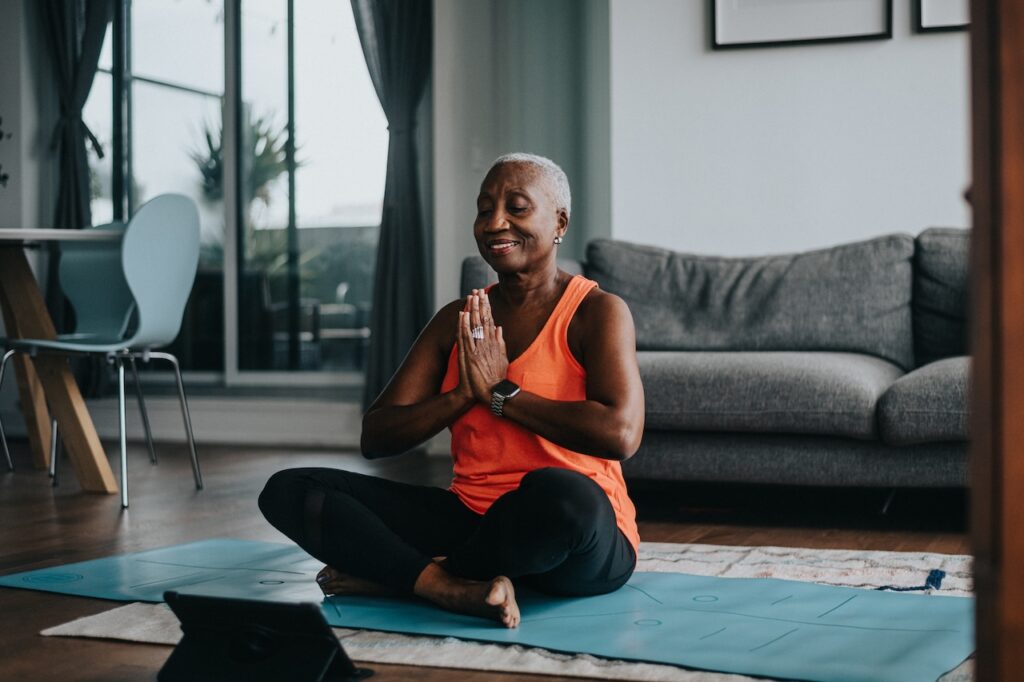
We’ve known that regular physical activity can enhance the quality of life for people with cancer, but recent research is revealing just how critical movement is after treatment. Results from the phase III CHALLENGE trial provide the strongest clinical evidence to date that exercise can be as effective as medication in preventing cancer recurrence. Although this study only followed patients with colon cancer, chief medical officer of ASCO Dr. Julie Gralow believes these findings could be applicable across all cancers.
Here are some of the highlights from this international study and what you should know about exercise.
- 90.3% vs. 83.2% for overall survival
In the CHALLENGE trial, participants were randomly assigned to either a structured exercise program alongside health education materials or to a group that received health education materials alone. The structured exercise group was asked to walk for at least 45 minutes 3-4 times a week in addition to coaching sessions throughout the three years. After eight years, the overall survival was 90.3% in the exercise group, compared to 83.2% in the health education-only group.
Evidence-based guidance powered by NCCN Guidelines®
Personalized treatment plans shaped by the latest oncology standards—tailored to your diagnosis.
Get started
View your personalized treatment plan in the Outcomes4Me app
Use your diagnosis to unlock personalized NCCN Guidelines®-aligned recommendations.
Continue in app
- Exercise lowered the risk of recurrence by 28%
Exercise not only helped reduce the risk of death, but it also lowered the risk of cancer recurrence or the development of a new cancer. At the five-year mark, participants in the exercise group had a 28% lower risk of recurrence or new cancer compared to those who received only health education materials.
Doctors and researchers say the CHALLENGE trial offers some of the clearest evidence yet that exercise can be as effective, or even more effective, than standard therapies and drugs for reducing the risk of recurrence and death. This landmark study provides some of the strongest data that exercise isn’t just safe after cancer treatment, it’s a critical intervention to include for supporting long-term health and survivorship.
What exercises are most beneficial?
Although participants were asked to walk for at least 45 minutes 3-4 times a week, they were able to choose higher intensity activities like running, kayaking, or skiing on top of their monthly supervised workouts. According to Dana-Farber Cancer Institute’s Dr. Jennifer Ligibel, we don’t exactly know what exercises are best for reducing the risk of recurrence, but “most guidelines recommend a combination of aerobic and strength training, with aerobic being to the level of moderate intensity.” She adds, “Both strength training and aerobic exercise are important, but we don’t have the granularity of evidence to say the exact prescription.”
What about exercise during treatment?
Exercise matters during treatment, too. It can help you manage fatigue, build bone strength, and improve your emotional well-being. More research is needed to understand if physical activity improves treatment outcomes, but Dr. Ligibel says, “preliminary findings suggest that exercise helps people tolerate their medicines better.”
Genitourinary oncologist Dr. Atish Choudhury, also from Dana-Farber, adds that exercise is critical to prevent weight gain and muscle loss. “It tends to improve energy; it tends to help mood. It helps people sleep better at night. It helps prevent muscle loss. It helps prevent bone loss to some degree and it helps prevent heart issues down the line,” he says.
It can be hard to manage fatigue and exercise during treatment, but Dr. Ligibel emphasizes, “Anything you can do is better than nothing. Muscle mass is lost so quickly when people are inactive and when muscle mass declines, they become deconditioned.”
What does this mean for you?
Before starting a new exercise regimen, be sure to talk to your care team. They may have an exercise program at your cancer center or refer you to a specialist where you can follow a structured routine.
If you’re looking to incorporate more movement into your routine but unsure how, walking can be a simple starting point as long as your doctor says it’s suitable for your health conditions. You may have heard that you should be hitting 10,000 steps a day, but new research suggests that walking 7,000 steps daily can offer the same benefits. Even 4,000 steps can improve your health if you don’t typically hit 4,000 steps in a day. The key: start small and work your way up. As long as your doctor approves, all movement is good movement!
As always, if you would like to connect with an Outcomes4Me oncology nurse practitioner at no charge through the Outcomes4Me app, just use the “Ask Outcomes4Me” button.
Personalized support for real care decisions
Understand your diagnosis, explore clinical trials, and track symptoms--all in one place.
Get started
Compare treatments, prepare for appointments, and track side effects—all in the app
Built for your diagnosis, Outcomes4Me gives you the tools to make confident, informed decisions—right when you need them.
Continue in app