The Society for Integrative Oncology’s (SIO) Annual Conference brings together leading practitioners, researchers, and advocates in the field of integrative oncology. This year’s conference was in Boston, Massachusetts, with the theme “The Future of Integrative Oncology: Bridging Cultures, Embracing Innovation, and Fostering Unity.” Outcomes4Me Director of Business Development Terri Crudup attended the conference and is sharing some of the top findings from this event.
As a two-time breast cancer survivor, Terri says, “I firmly believe in both the cancer treatments prescribed by my care team and the lifestyle and complementary therapies I started while I was going through treatment the second time.”
She continues, “This is the definition of integrative oncology – conventional cancer treatments plus a host of lifestyle and complementary therapies that have many benefits for people affected by cancer. The changes I made helped me manage side effects and stay on treatment, and they helped me find a new path to wellness that I desperately needed.”
Keep reading for a breakdown of some of the key data presented:
MATCH Trial: Complementary therapies to lower and manage cancer distress
One highlight was a session about using mindfulness and Tai Chi/Qi Gong to improve patient distress and manage the fear of recurrence. The MATCH trial is a comparative effectiveness study to test whether mindfulness and Tai Chi/Qi Gong could improve psychosocial symptoms that affect people with cancer.
Evidence-based guidance powered by NCCN Guidelines®
Personalized treatment plans shaped by the latest oncology standards—tailored to your diagnosis.
Get started
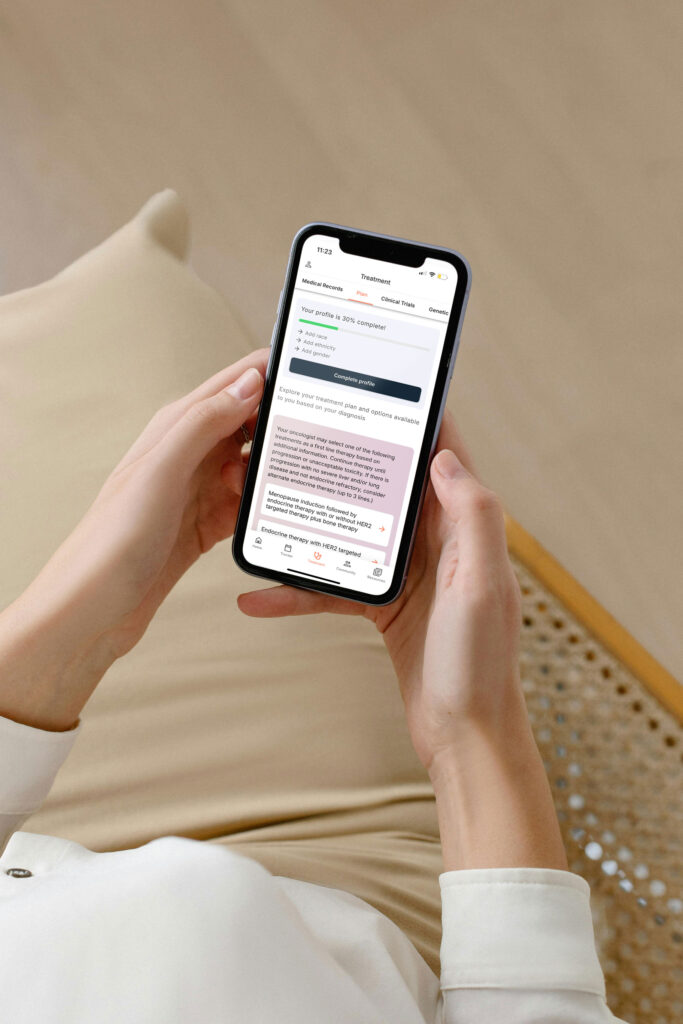
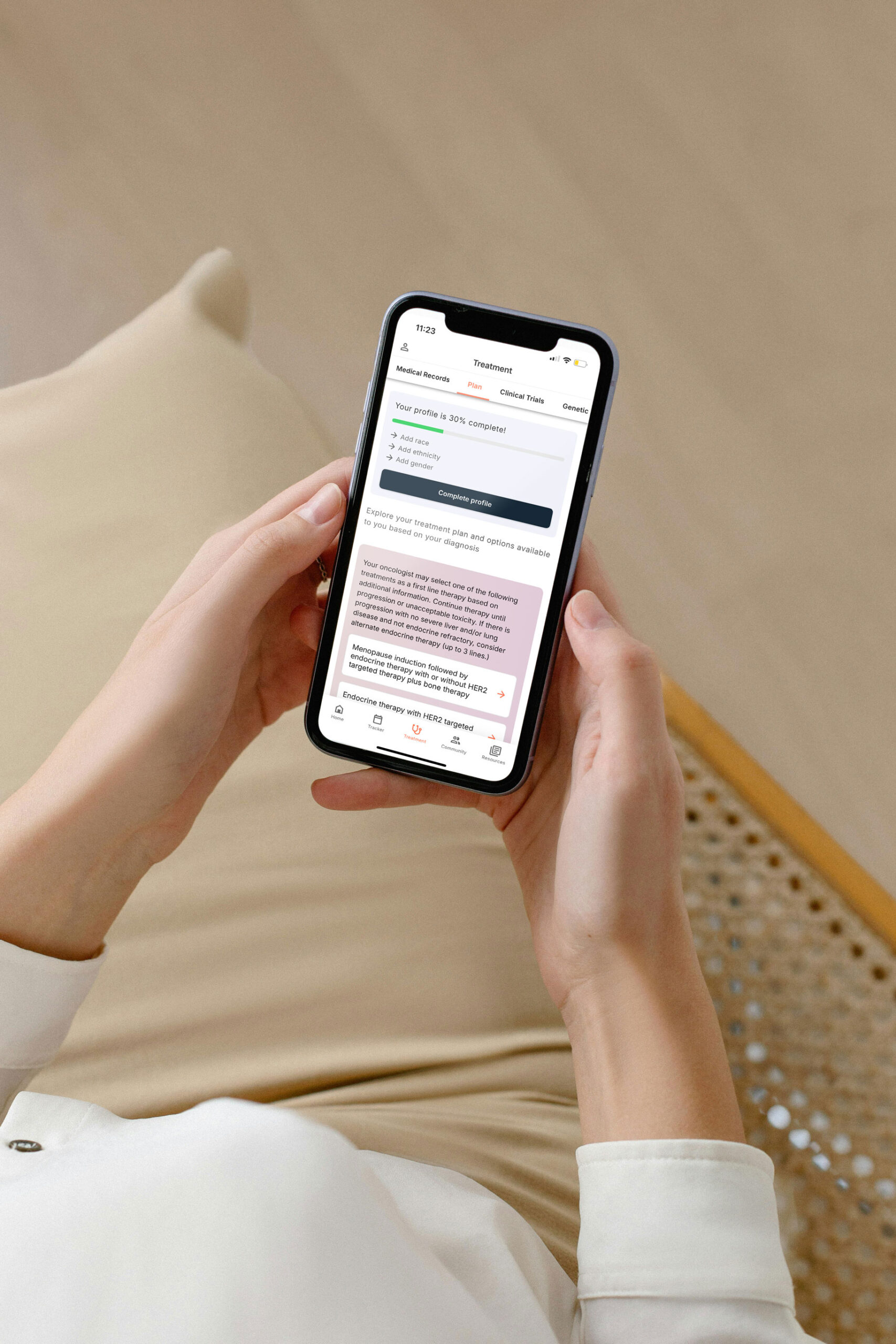
View your personalized treatment plan in the Outcomes4Me app
Use your diagnosis to unlock personalized NCCN Guidelines®-aligned recommendations.
Continue in app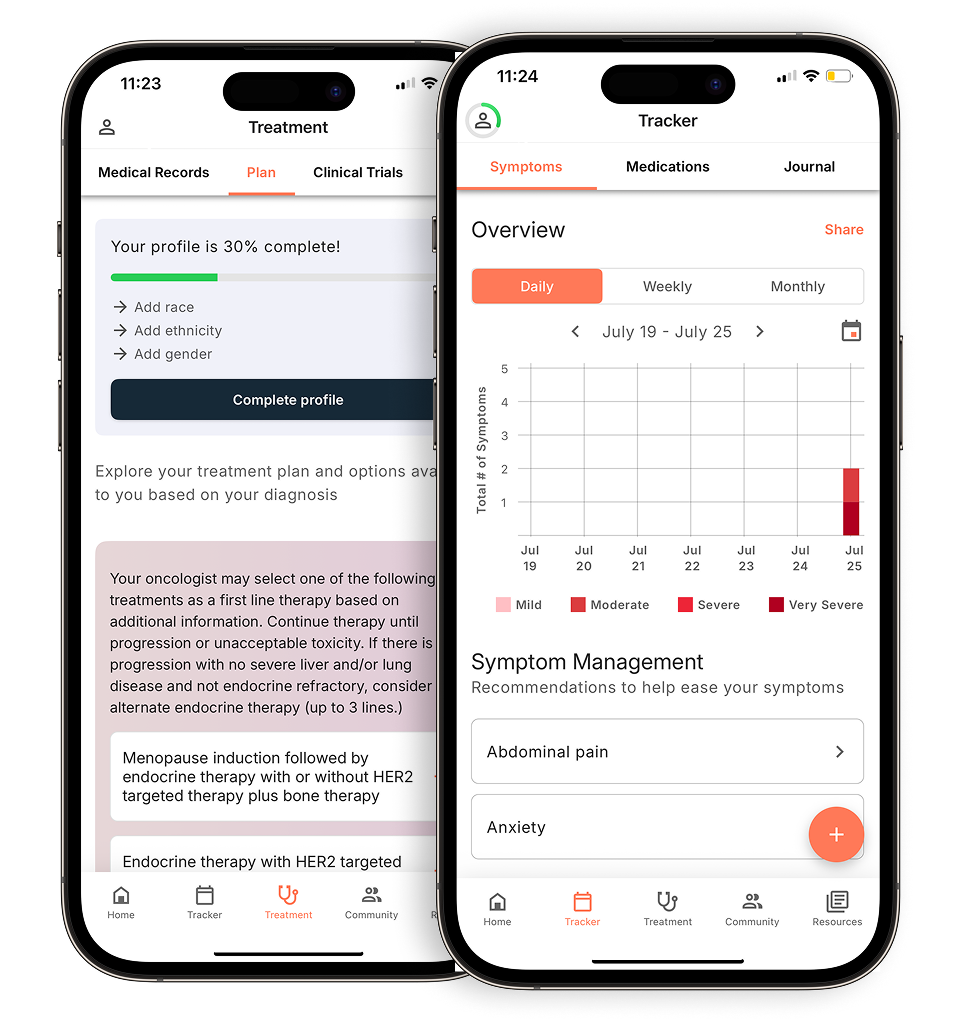
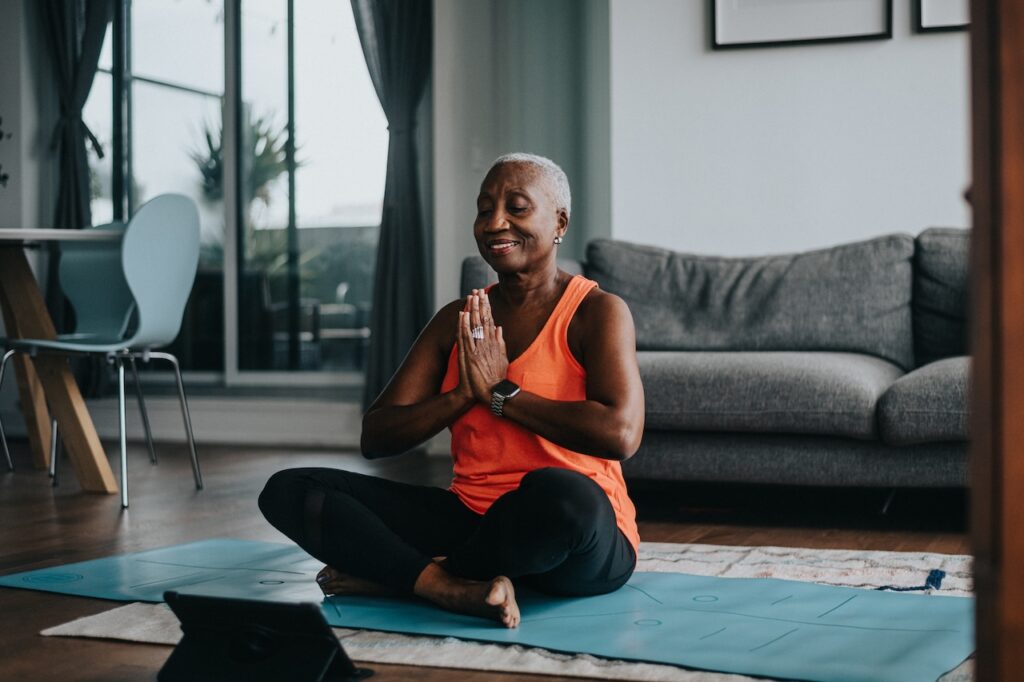
Terri says, “I spoke during this session to highlight how using these techniques regularly – along with controlled breathing, regular exercise, and regular yoga therapy sessions – has helped me control the fear of recurrence. The power of the mind is amazing, and integrative oncology can help you unlock it!”
What is mindfulness and Tai Chi/Qi Gong?
Mindfulness is the practice of intentionally paying attention to the present moment while being accepting and non-judgmental. Tai Chi and Qi Gong are forms of traditional Chinese mind-body exercises that use slow sets of body movements and controlled breathing with the intention of moving energy throughout the body.
The MATCH trial has shown that both interventions are effective, with the strongest effects on anger, depression, and tension. Mindfulness is better at improving stress symptoms and quality of life, while Tai Chi/Qi Gong is better at improving spirituality and post-traumatic growth.
“I have personally used mindfulness and Qi Gong to lower my stress levels, lower my threshold for moving into ‘fight or flight’ when something causes me stress, and bounce back more quickly from the stress response,” Terri shares.
Creative arts to manage distress related to cancer
If mindfulness or Tai Chi is not your cup of tea, how about some creative arts? Music and art are two other methods that many patients are using to help with the stress that comes with a cancer diagnosis.
Defined in SIO’s patient eBook, music therapy can involve active listening, playing an instrument, or creating music with guidance from a professionally trained therapist. Art therapy is a hands-on activity or observational experience that uses art to communicate, whether drawing, journaling, painting, sculpting, or anything else.
Music therapy trial findings
The music therapy findings presented were from a large review of the available data. In adults with cancer, it found that music interventions:
- May have a large anxiety-reducing effect
- Have a moderately strong, positive impact on depression
- May increase hope
- Have a moderate pain-reducing effect
- Have a small treatment effect on fatigue
- May have a large effect on improving quality of life
Art therapy trial findings
The art therapy study examined the costs and effectiveness of mindfulness-based art therapy compared to support groups for breast cancer patients. Both methods were effective at improving quality of life scores. Interestingly, art therapy was found to be more expensive than support groups – so the study leaders recommended decreasing the cost of art supplies.
Terri adds, “Whether it’s music therapy, art therapy, or a support group, they all are effective, relatively low-cost for payers to provide, and do not cause negative side effects. Of course, prescription treatments to address cancer distress are an important tool, but there may be a benefit from adding music, art, or support groups to get the best of both worlds.”
Tips to feel as well as possible during and after cancer
The Society for Integrative Oncology is a wonderful organization championing the combination of conventional cancer treatments plus additional complementary and lifestyle therapies that treat patients as whole people who benefit from support across all aspects of wellbeing – mind, body, and soul.
As a volunteer Patient Advocate for SIO, below are some of Terri’s tips for navigating cancer with the best possible outcomes:
- Consider “what else” you can do to manage symptoms, improve your quality of life, and help yourself feel as good as possible going through treatment and beyond.
- Talk with your oncologist and care team about your desire for help with lifestyle modifications like nutrition and movement, and/or for complementary therapies like yoga, massage, music/art therapy, meditation/mindfulness, and acupuncture to calm the mind and manage symptoms.
- Inform yourself about the options through a trusted source, like the SIO eBook for Patient and Caregivers, “Taking Care of the Whole You – A practical and patient-friendly guide to integrative oncology.”
- Adopt integrative therapies that fit your life and make small changes, one step at a time.
- Give yourself a lot of grace and allow for modifications that adapt to the stage of cancer care or recovery you are in.
- Practice the therapies at least a few times per week for three weeks, and if they’re not working for you, modify or try another one.
Want to learn more about integrative therapies and how they can support your care? Watch our discussion with board-certified Integrative Oncologist and Hematologist Dr. Krisstina Gowin.
Personalized support for real care decisions
Understand your diagnosis, explore clinical trials, and track symptoms--all in one place.
Get started
Compare treatments, prepare for appointments, and track side effects—all in the app
Built for your diagnosis, Outcomes4Me gives you the tools to make confident, informed decisions—right when you need them.
Continue in app