One of the first things you might do when you’re diagnosed with cancer or going through cancer treatment is to take a look at the way you eat. Nutrition becomes an important part of supporting your treatment, managing side effects, and helping you feel your best. It’s common to start thinking about ways to make your diet “cleaner” or healthier, and for many, that leads to wondering about organic foods. Should you make the switch to an organic-based diet? Will it make a meaningful difference in your cancer care? Before you overhaul your grocery list, here’s what you should know about organic foods, their potential benefits, and what the science says.
What is the definition of an organic food?
If a food is labeled as organic, it was grown and processed according to government-regulated farming rules as determined by the USDA (U.S. Department of Agriculture). Organic foods are grown on farms that opt to use natural fertilizers like manure to improve the quality of their soil, conserve their water flow, and respect the environment around them. Additionally, the animals are never given any antibiotics or hormones.
Evidence-based guidance powered by NCCN Guidelines®
Personalized treatment plans shaped by the latest oncology standards—tailored to your diagnosis.
Get started
View your personalized treatment plan in the Outcomes4Me app
Use your diagnosis to unlock personalized NCCN Guidelines®-aligned recommendations.
Continue in app
Organic farming also abides by the following rules and regulations:
- No antibiotics or growth hormones for any animals
- No GMOs (genetically modified ingredients)
- No artificial flavors, colors or preservatives
- No sewage sludge or radiation on food
- No synthetic fertilizers or pesticides
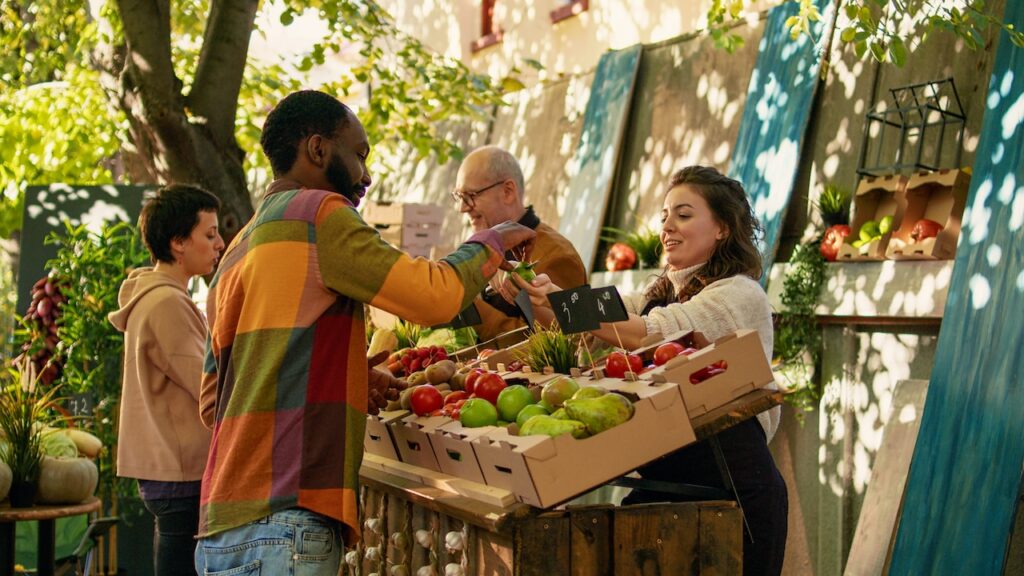
The most common organic foods include fruits, vegetables, grains, meats, and dairy products like eggs and milk.
Are organic foods healthier for me?
You’d think organic foods are always better for you, but tha might not always be true. A trip to your local grocery store will showcase aisles full of organic cookies, chips, and even ice cream. While these foods might not be made with GMO, dyes, or other preservatives, they can still be considered highly processed and have low nutritional value. The term “organic” refers to how a food is grown or produced rather than its overall nutritional quality. The key is focusing on overall dietary quality, choosing more whole, minimally processed foods.
Should I wash my produce before eating it?
Yes. According to the World Health Organization, 1 in 10 people get sick each year by eating unsafe food, including food that hasn’t been properly cleaned after it’s brought home from the store. In recent years, there have been more outbreaks from fruits and vegetables.
Follow these simple rules for washing your food at home:
- Always wash your hands first with soap and water.
- Run fresh produce under a cold faucet.
- Rub any fruit or vegetables with your hands until any extra bacteria-carrying dirt is removed. Never use soap.
- If your produce has a hard exterior – like squash, potatoes, root vegetables – you can use a vegetable brush under a cold faucet for 30 seconds
- For leafy vegetables like lettuce or broccoli, separate the produce and rub each section between your fingers as you rinse.
- For fruits that contain water, like berries and grapes, store these in your fridge until you’re ready to eat them, and then wash them thoroughly. That way, they won’t pick up any extra germs or bacteria.
Can organic foods reduce my risk of cancer?
While there’s some preliminary research that suggests people who eat more organic foods may have a slightly lower risk of developing certain cancers, the Harvard School of Public Health points out that the findings are “not sufficient to change dietary recommendations.” Eating organic foods, however, does lower your exposure to pesticides. While reducing pesticide exposure may be beneficial, it’s important to know that the overall evidence on organic foods and cancer risk is still limited.
What we do know is that a balanced diet rich in whole foods can support your health during and after treatment, whether those foods are organic or conventionally grown. The priority is variety, nutrient quality, and choosing minimally processed foods that help give your body the fuel it needs.
At the end of the day, eating a completely organic diet can be challenging, and sometimes cost-prohibitive, whether you’re in cancer treatment or not, so don’t be too hard on yourself. Breast oncologist Dr. Eleanora Teplinsky says, “It’s just impossible to eat a completely clean, no processed food diet. Aiming for that is probably unrealistic, but think about what you’re doing 75, 80, 85% of the time.”
As always, if you would like to connect with an Outcomes4Me oncology nurse practitioner at no charge through the Outcomes4Me app, just use the “Ask Outcomes4Me” button.
Personalized support for real care decisions
Understand your diagnosis, explore clinical trials, and track symptoms--all in one place.
Get started
Compare treatments, prepare for appointments, and track side effects—all in the app
Built for your diagnosis, Outcomes4Me gives you the tools to make confident, informed decisions—right when you need them.
Continue in app