Navigating your cancer treatment can be demanding, and may leave you feeling physically and mentally drained or uncertain on how to adjust to a new normal in your day-to-day life. Between medical appointments, treatments, and everyday responsibilities, including caring for those who depend on you, it can feel like there’s not enough hours in a day.
Rest assured, there are steps and strategies you can take to get organized and manage your time more intentionally. One helpful approach is time blocking (also called single-tasking or time chunking), a time management technique designed to help you prioritize your day, reduce distractions, and complete tasks more effectively.
What is time blocking?
Time blocking is the practice of dividing your day into dedicated time slots for specific tasks or activities. Rather than multitasking, which research shows only about 2.5% of people actually do well, time blocking encourages you to focus on one thing at a time. For cancer patients, multitasking can often mean juggling an exhausting number of appointments, treatments, errands, and responsibilities, all while managing side effects and emotional stress.
University of Minnesota oncologist Dr. Arjun Gupta, MBBS, refers to this overload as time toxicity, which is the feeling that all your time is consumed by your diagnosis and can often lead to anxiety, burnout, and mental exhaustion.
Evidence-based guidance powered by NCCN Guidelines®
Personalized treatment plans shaped by the latest oncology standards—tailored to your diagnosis.
Get started
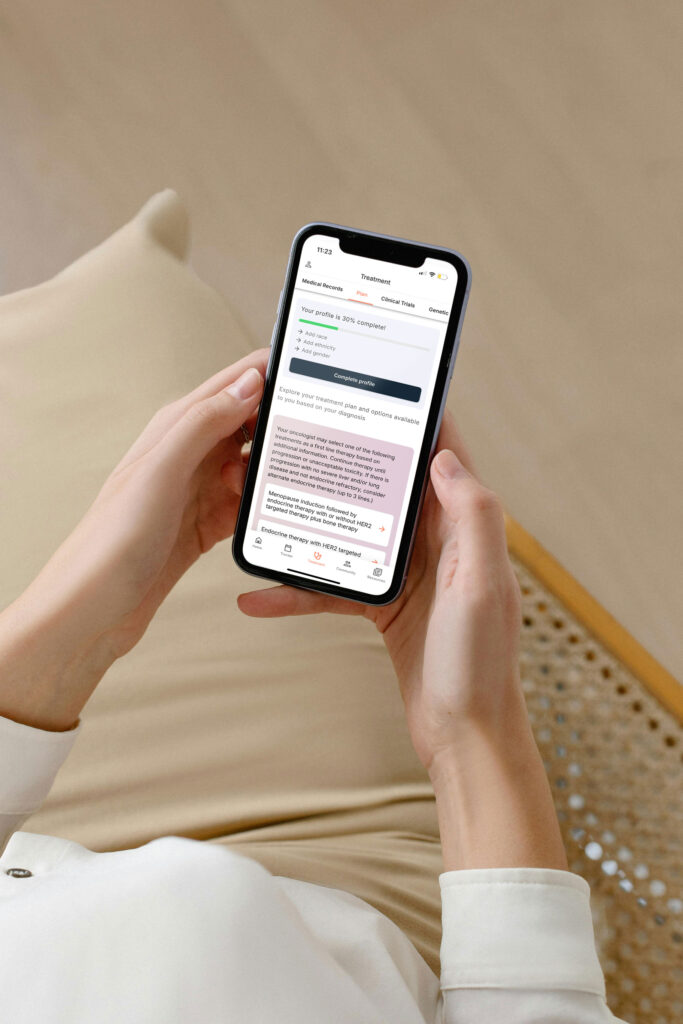
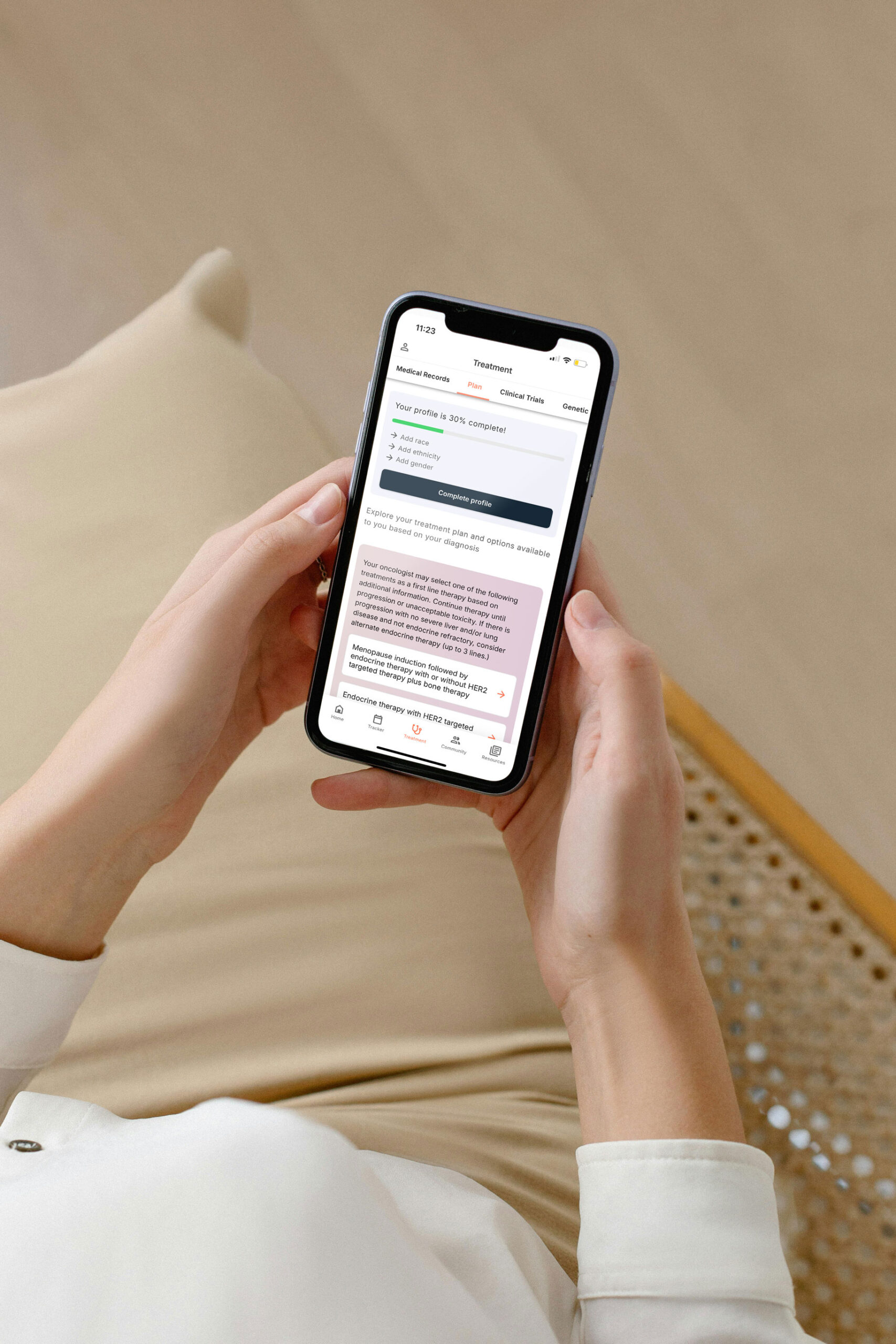
View your personalized treatment plan in the Outcomes4Me app
Use your diagnosis to unlock personalized NCCN Guidelines®-aligned recommendations.
Continue in app
How can time blocking help me?
By setting aside blocks of time for specific tasks, you can reduce decision fatigue and improve your ability to focus, which is especially helpful when you’re feeling drained. Over time, time blocking can help you build toward long-term goals, like regaining completing treatment cycles, while still managing your short-term needs, such as remembering medications, attending appointments, or preparing meals.
For instance, you might block out the morning for medical appointments, use a mid-afternoon slot for rest or self-care, and spend a specific hour in the evening responding to texts or emails. When you compartmentalize your day this way, you give yourself time to be fully present in each moment, without the pressure of juggling everything at once.
While it’s natural to reach for your phone throughout the day, smart devices can be a big distraction. Try turning on “Do Not Disturb” mode during your time blocks, especially when you’re resting, meditating, or attending to something that requires focus. A few uninterrupted moments can make a big difference in your energy levels and productivity.
Your schedule can change, and that’s okay
One of the benefits of time blocking is that it’s meant to work for you. Your calendar doesn’t have to look the same every day or every week. Some weeks may be filled with back-to-back appointments and other times, you might have a lighter schedule or feel better physically and want to use that time differently.
Time blocking gives you the structure you need, but also the freedom to adapt. Think of it as a living schedule that can shift depending on your treatment cycle or how you’re feeling emotionally and physically. What matters most is that your plan works for you and supports your well-being.
How do I start?
Through time blocking, you and your caregiver can reclaim your days by creating structure, making room for what needs to get done and what can wait. Here’s how to begin:
- Make a list of everything you need to do, both big and small. Use a system like color coding or symbols to identify what’s most important. Do this before the week starts, ideally on Sunday, and include everything from medication reminders to fun activities like watching your favorite show.
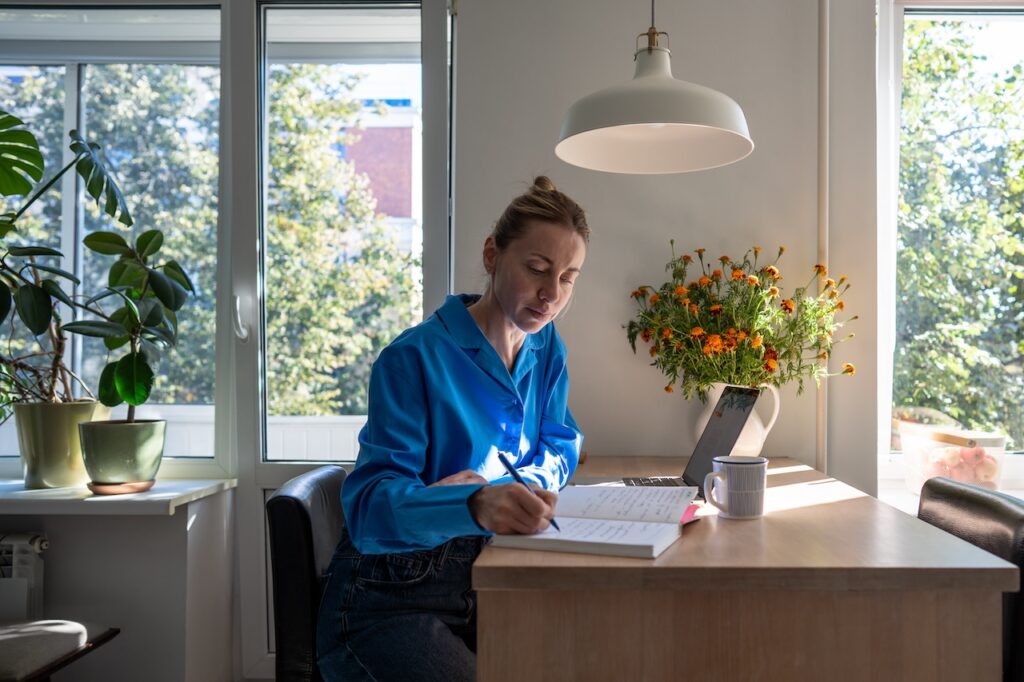
- Build a daily outline, breaking your day into 30- to 60-minute increments. Include meals, rest, treatments, errands, and even time to decompress. Mapping this out visually may also help you see where you can ask for help.
- Schedule self-care, even if it’s just 15 minutes to sit quietly, stretch, or drink tea. Blocking off alone time and treating it as non-negotiable is essential, especially when your energy is limited.
- Silence notifications and put your phone on “Do Not Disturb” during focus blocks. This will help you stay present and prevent disruptions from pulling your attention away.
What if I’m still overwhelmed?
Remember, time blocking is meant to support you, not add to your stress. It’s a flexible strategy that you can adjust based on your energy, your needs, and your priorities. Don’t hesitate to start small, even blocking one or two parts of your day can be helpful. You don’t have to do it all, you just have to take it one block at a time.
As always, if you would like to connect with an Outcomes4Me oncology nurse practitioner at no charge through the Outcomes4Me app, just use the “Ask Outcomes4Me” button.
Personalized support for real care decisions
Understand your diagnosis, explore clinical trials, and track symptoms--all in one place.
Get started
Compare treatments, prepare for appointments, and track side effects—all in the app
Built for your diagnosis, Outcomes4Me gives you the tools to make confident, informed decisions—right when you need them.
Continue in app