Dr. Kari Hacker: I thought this study was really thought-provoking. I was actually at the presentation at ASCO, and I remember sending text messages to some of my colleagues because I thought it was so interesting.
The primary endpoint, the main thing the researchers were looking at, was a metabolic outcome. Specifically, they wanted to see whether fasting during neoadjuvant chemotherapy lowered patients’ insulin levels over time.
The study focused on patients receiving neoadjuvant chemotherapy, so it’s important to remember that this applies to a specific subset of ovarian cancer patients.
As mentioned, it was a small phase II trial, with only 18 patients in each group. But the surgical, pathologic, and translational findings were really interesting and, I think, set the stage for future studies looking at fasting, as well as other ways we might be able to lower insulin levels during treatment.
Whether those approaches lead to similar surgical, pathologic, and translational outcomes remains to be seen.
I also think we have to be thoughtful about the fact that this was a small study conducted in Europe, where lifestyles can be a little different from those in the United States.
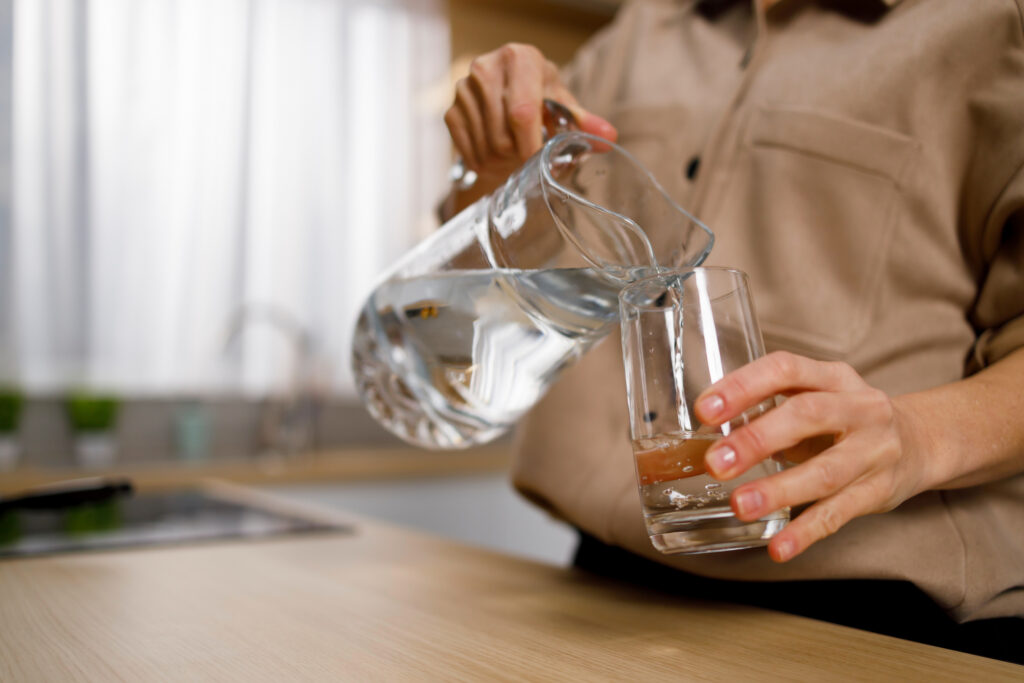
The fasting regimen itself was also pretty rigorous. I think many patients want to take an active role in their care, but this would be a difficult regimen for some people to follow. In total, patients fasted for about 60 hours, and during that time they were only allowed water, herbal tea, and a small amount of vegetable broth.
I think that would be challenging for many patients, so while the results are certainly intriguing, we’ll need larger studies before we know whether this is something that should become part of routine care.