
The reality of bladder cancer recurrence and why proactivity matters
Bladder cancer comes back, and it does so often. If you’ve completed treatment and find yourself watching for symptoms, bracing for the next scan, that vigilance is well-founded. Bladder cancer has a significant risk of recurrence, and close follow-up with regular cystoscopy is recommended to look for signs that the cancer might come back or new tumors might develop. This makes understanding how to reduce the risk of bladder cancer recurrence essential.
Lowering your risk involves two key approaches. Prevention strategies, such as lifestyle changes, adjuvant therapies, and maintenance treatments, work to reduce the biological conditions that allow tumors to return. Early detection is equally critical because when recurrence does happen, catching it at the earliest stage dramatically changes your options and outcomes. Together, they form the foundation of a genuinely protective strategy.
That’s where the concept of the empowered patient becomes so important. Rather than waiting passively between appointments, you can use data, your pathology results, treatment history, and risk profile, to stay ahead of the disease. A personalized care plan, developed with the care team, turns surveillance from a reactive process into a proactive one.
And the good news is that the tools and protocols to do exactly that have never been more advanced. The next section breaks down the clinical gold standard for surveillance and why the schedule the care team recommends is evidence-based and built around how this disease behaves.
Clinical surveillance for prevention
Consistent, structured surveillance is the single most powerful tool you have against bladder cancer recurrence, and the schedule isn’t optional.
Cystoscopy every three to four months during the first two years after treatment is the clinical benchmark recommended across major urology guidelines. Many patients with bladder cancer experience recurrence, and close monitoring in the first year after treatment is especially important to catch any recurrence early. Missing or delaying these appointments, even once, can allow a new or returning tumor to advance to a higher stage before it’s caught. Your care team will typically adjust the frequency after two years based on your individual risk profile, but that early window is when vigilance matters most.
Some patients with bladder cancer may receive additional courses of BCG treatment after their initial treatment, sometimes combined with other agents such as interferon. A single induction course of BCG, the intravesical immunotherapy instilled directly into the bladder, reduces recurrence, but maintenance BCG has been proven to significantly reduce recurrence compared to induction alone. Maintenance BCG is a clinically meaningful advancement. Completing the full maintenance schedule, which can extend over one to three years, is one of the most evidence-backed decisions you and the care team can make together.
Evidence-based guidance powered by NCCN Guidelines®
Personalized treatment plans shaped by the latest oncology standards—tailored to your diagnosis.
Get started
View your personalized treatment plan in the Outcomes4Me app
Use your diagnosis to unlock personalized NCCN Guidelines®-aligned recommendations.
Continue in app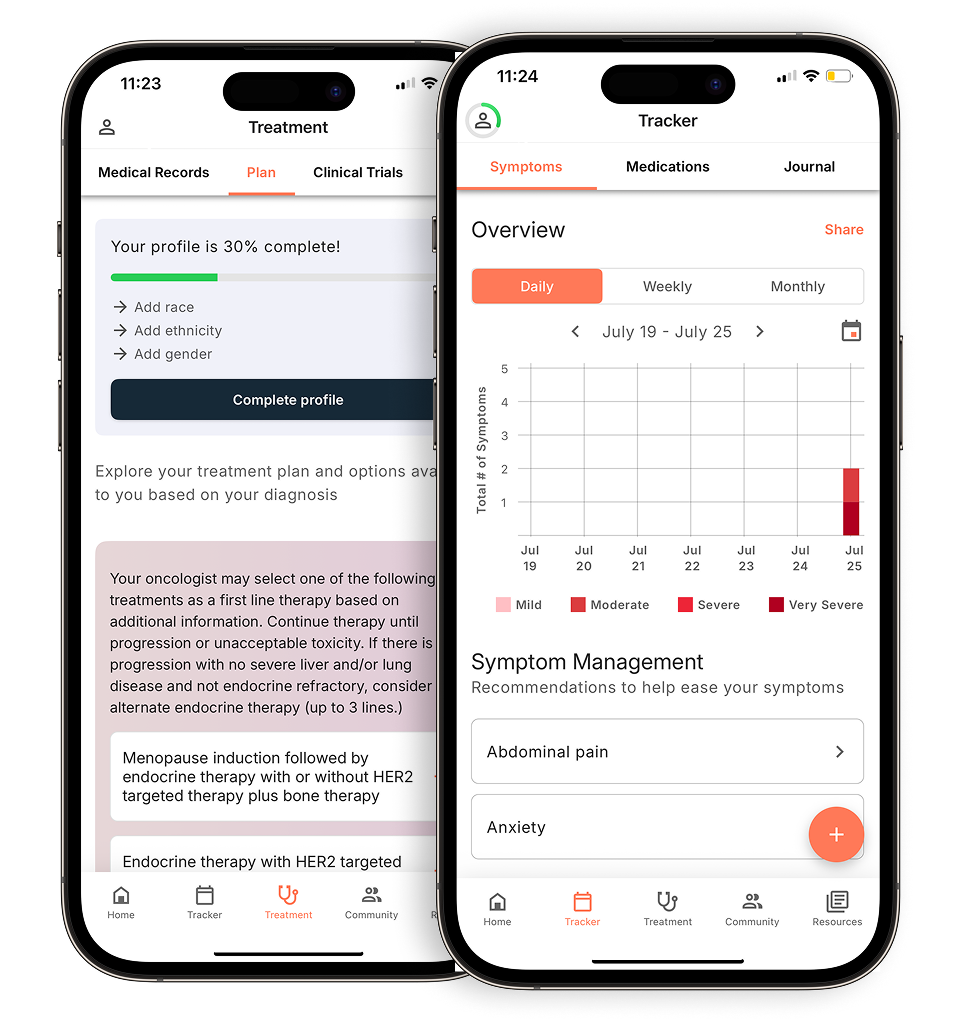
Technology is also raising the bar on what cystoscopy can detect. Blue Light Cystoscopy, performed using a contrast agent called Cysview, illuminates tumor tissue that standard white light cystoscopy can miss, particularly flat lesions like carcinoma in situ. In practice, this means fewer undetected tumors and more accurate staging at each surveillance visit. If your facility offers it, it’s worth asking the care team whether it’s appropriate for a personalized care plan.
Understanding the role of FGFR mutations in bladder cancer recurrence is increasingly relevant at this stage, too. As surveillance becomes more sophisticated, so does the science behind what drives recurrence at a molecular level, something the following section will explore in depth.
The role of personalized medicine and genomic profiling
Genetic markers for bladder cancer recurrence are reshaping how survivors approach long-term monitoring, and your biology may hold the clearest answers about what comes next.
Genomic profiling looks at the specific mutations driving your cancer. One of the most clinically significant findings is an FGFR mutation, a change in the fibroblast growth factor receptor gene that appears in a meaningful subset of bladder cancer patients. Identifying this mutation matters because it can make you eligible for targeted therapies designed to work against that specific biological pathway, rather than broader treatments that affect healthy cells alongside cancerous ones. Genomic profiling can identify FGFR mutations, which may open the door to precisely matched treatment options the care team can factor into a personalized care plan.
Liquid biopsies are an emerging complement to traditional cystoscopy. Instead of a scope, a blood draw detects fragments of tumor DNA circulating in your system, sometimes flagging changes before they’re visible on imaging. It’s non-invasive, repeatable, and adds a layer of monitoring between scheduled procedures. While liquid biopsies aren’t yet a standard replacement for cystoscopy, they represent a fast-evolving area of surveillance worth discussing with the care team.
Key biomarkers your provider may assess include:
- FGFR2 and FGFR3 mutations are areas of active research, and your care team may discuss whether genetic testing for these mutations could be relevant to your treatment options.
- Circulating tumor DNA (ctDNA) can be detected via liquid biopsy for early recurrence signals.
- PD-L1 expression is relevant when immunotherapy is being considered.
Making genomic profiling part of your surveillance toolkit adds information that makes every future decision sharper. And those decisions don’t happen in a vacuum; the daily habits you build around your care matter just as much as what happens in the clinic.
Lifestyle modifications that move the needle
Surveillance and genomic profiling give you critical intelligence, and what you do daily shapes the environment that either encourages or discourages recurrence. The most evidence-backed lifestyle changes work by reducing your bladder’s direct exposure to carcinogens, and the biology behind each one is worth understanding.
Smoking cessation is the single most important modifiable step you can take. Tobacco smoke contains substances that are processed by the kidneys and may pass into the urine, where they can come into contact with the bladder lining. This is thought to be one reason why smoking is associated with bladder cancer risk. According to the American Cancer Society, some research has found that people who smoke are more likely to have their bladder cancer recur, though more research is needed to confirm whether quitting smoking can help lower this risk. If you’re still smoking, your care team can connect you with cessation resources today.
Cancer care guidance for every step of your journey
Get treatment options, clinical trials, and support tailored to your diagnosis--all in one place.
Get started
See treatment options, manage symptoms, and stay informed—all in the app
View treatment options and trials personalized to your diagnosis—plus track progress in real time.
Continue in appHydration works through a similar logic. Drinking adequate water throughout the day keeps urine dilute and flushes the bladder more frequently, reducing the concentration and contact time of any residual carcinogens. It’s a low-effort, high-yield habit that complements even the most advanced monitoring, including emerging tools like monitoring bladder cancer recurrence with liquid biopsy, which involves collecting urine-based biomarkers during routine surveillance.
Diet rounds out the picture. Cruciferous vegetables, broccoli, Brussels sprouts, and kale contain isothiocyanates, compounds that research suggests may inhibit bladder tumor cell growth. These work best as part of a personalized care plan alongside clinical care, adding meaningful biological support. Taken together, these lifestyle factors create conditions where your surveillance can work at its best, setting the stage for a structured survivorship plan to carry that momentum forward.
Navigating the future with a survivorship care plan
A survivorship care plan transforms everything covered so far, surveillance schedules, genomic data, and lifestyle choices, into a single, living document the care team can act on together. Critical details can fall through the cracks between appointments. A survivorship care plan helps coordinate follow-up visits and tests to catch recurrences early, making it one of the most practical tools you have post-treatment.
Treatment history and follow-up schedule form the foundation of any effective plan. This means documenting every procedure, intravesical therapy, and pathology result alongside your personalized cystoscopy timeline. But a strong plan goes further. Results from genomic profiling for bladder cancer treatment, including any identified FGFR mutations, belong in this document too, because that data can match you with relevant clinical trials before you ever face a recurrence. Proactively identifying trials you may qualify for means you’re not scrambling for options under pressure.
Secure communication with the care team is the third pillar. Symptom reporting shouldn’t wait until your next scheduled visit. Many recurrences signal themselves early through subtle changes, new urgency, blood in urine, or pelvic discomfort, and timely messaging can accelerate the response. The Outcomes4Me app supports this by connecting you with oncology nurse practitioners and helping you organize your clinical information in one accessible place, making every conversation with your providers more focused and productive. The next section brings all of these threads together into the clearest takeaways for your long-term strategy.
What you need to know: key takeaways for survivors
A strong bladder cancer survivorship care plan distills months of surveillance, testing, and lifestyle work into clear, actionable priorities that the care team can help you act on every day.
- Stick to your cystoscopy schedule. Consistent surveillance is the single most critical factor in catching a recurrence early, when treatment options are broadest. Missing even one scheduled scope can create a blind spot that allows a tumor to progress undetected, a risk no lifestyle change can compensate for.
- Quit smoking and drink more water. These two lifestyle interventions carry more evidence behind them than almost any other daily habit you can build. Drinking six to eight glasses of water daily helps flush carcinogens out of the bladder faster, lowering the environment in which tumors take hold.
- Ask about genomic profiling for FGFR mutations. Identifying a targetable mutation can unlock a personalized care plan that goes far beyond standard chemotherapy, including immunotherapy options now shown to reduce recurrence risk in eligible patients.
- Don’t skip maintenance BCG therapy. For non-muscle-invasive bladder cancer (NMIBC), completing the full BCG course remains essential for long-term recurrence prevention. It’s one of the most evidence-backed tools available.
- Use digital tools to stay organized. Managing genetic data, follow-up schedules, and clinical trial eligibility is complex. The Outcomes4Me app connects you with oncology nurse practitioners who can help you track exactly what matters for your situation.
Understanding where you stand on each of these points sets the stage for the proactive approach we’ll bring together in the final section.
Taking control of your post-treatment journey
Personalized medicine for bladder cancer survivors means moving from reacting to recurrence to actively preventing it. The sections above have mapped a comprehensive view. Surveillance schedules grounded in your specific risk profile, genomic markers that reveal how your cancer behaves, lifestyle choices that tip the odds in your favor, and a survivorship care plan that brings every thread together. What that adds up to is something genuinely different from the fear and uncertainty that followed your initial diagnosis.
Research on recurrence patterns continues to reinforce that survivors who stay engaged with structured follow-up and individualized protocols face their futures with a measurable advantage. Personalized care isn’t a promise for tomorrow, it’s the standard the care team can apply today, informed by the best available evidence and tailored to you specifically.
And you don’t have to navigate that complexity alone. The Outcomes4Me app is evidence-based and oncologist-approved, built to help you track your specific genetic markers, stay on top of your surveillance schedule, and connect with clinical trials that match your profile. It’s a personalized care plan, organized and accessible in one place. Download Outcomes4Me app today, and take the next step in your post-treatment path with the tools and knowledge you deserve.
Disclaimer: The information provided in this article is for informational purposes only and is not intended to be a substitute for professional medical advice, diagnosis, or treatment. Outcomes4Me is not acting as your caregiver, and any suggestions or guidance offered should not replace the advice of your healthcare provider or qualified medical professional. Always seek the guidance of your physician or other qualified health provider with any questions you may have regarding a medical condition.
Personalized support for real care decisions
Understand your diagnosis, explore clinical trials, and track symptoms--all in one place.
Get started
Compare treatments, prepare for appointments, and track side effects—all in the app
Built for your diagnosis, Outcomes4Me gives you the tools to make confident, informed decisions—right when you need them.
Continue in app