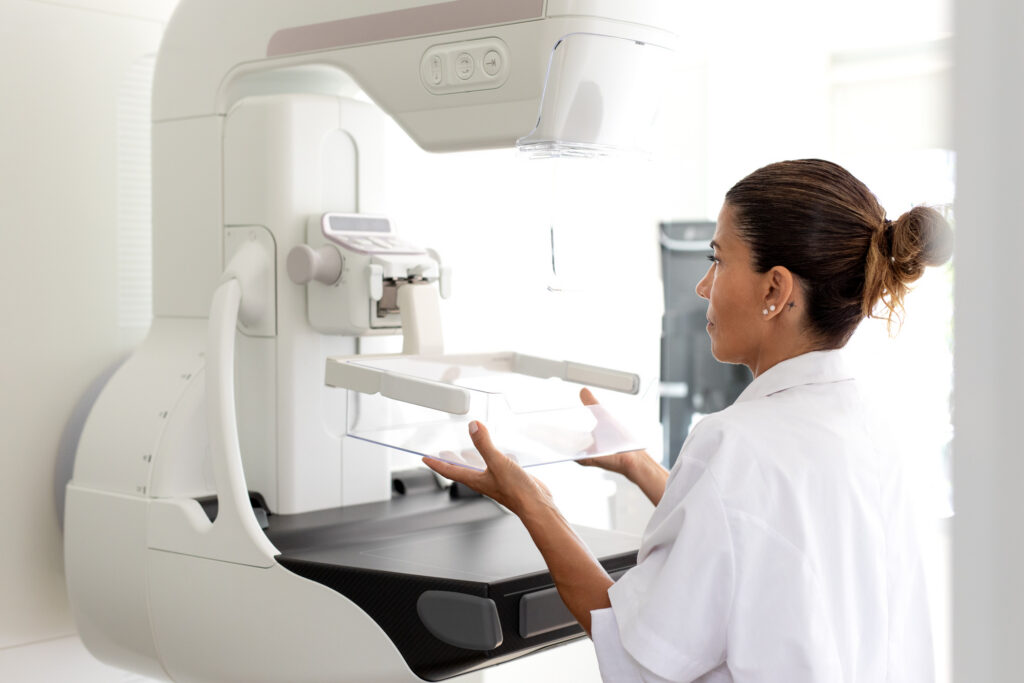
Breast cancer screening guidelines have always been confusing. Some organizations say to start mammograms at 40. Others say 45. Some recommend screening every year. Others recommend every other year. And now, a new 2026 guideline has brought the debate back into the spotlight.
In April 2026, the American College of Physicians released new guidance recommending that average-risk women ages 50 to 74 receive mammograms every other year. For women ages 40 to 49, ACP recommends a conversation with a doctor about personal risk, benefits, and possible harms before deciding whether to screen. ACP also advised against routine supplemental MRI or ultrasound screening for average-risk women with dense breasts, while saying digital breast tomosynthesis, also called 3D mammography, may be considered. ACP places more emphasis on the potential downsides of screening, including false positives, anxiety, additional testing, overdiagnosis, overtreatment, radiation exposure, and cost. The reality is, we still can’t perfectly predict which early findings will become dangerous and which may never cause harm. That uncertainty is why many breast cancer experts remain uncomfortable with delaying routine screening until age 50.
This new guidance is so controversial because it conflicts with several major breast cancer and radiology groups that recommend starting screening earlier. The American College of Radiology and Society of Breast Imaging continue to recommend annual mammograms starting at age 40. They also recommend breast cancer risk assessment by age 25, especially for people who may be at higher risk. The disagreement comes down to how each group weighs the benefits and harms of screening. Supporters of earlier and more frequent screening focus on finding cancer sooner, when it may be easier to treat. They also point to rising breast cancer rates in younger women and the fact that Black, Hispanic, and Asian women have a meaningful proportion of breast cancers diagnosed before age 50.
Evidence-based guidance powered by NCCN Guidelines®
Personalized treatment plans shaped by the latest oncology standards—tailored to your diagnosis.
Get started
View your personalized treatment plan in the Outcomes4Me app
Use your diagnosis to unlock personalized NCCN Guidelines®-aligned recommendations.
Continue in app
At the same time these screening guidelines are being debated, screening is becoming increasingly more personalized. One of the most important 2026 updates is that the NCCN Guidelines® now include AI-based mammogram risk assessment as a way to help estimate a woman’s five-year risk of developing breast cancer. This approach may begin at age 35 and uses information from a routine mammogram to help identify people who may need closer monitoring, supplemental imaging, or risk-reduction conversations. That’s a major shift. Traditional risk assessment has often focused on family history and inherited genetic mutations. But many people diagnosed with breast cancer don’t have a strong family history or known mutation. AI-based imaging risk tools may help identify risk that would otherwise be missed, although these tools are still new and will need continued real-world evaluation.
Dense breasts are another major part of the debate. Dense breast tissue can make cancer harder to see on a mammogram and is also associated with increased breast cancer risk. Some guidelines support considering supplemental MRI for women with extremely dense breasts, while others say the evidence isn’t strong enough for routine supplemental screening in average-risk women.
For patients, the takeaway is that breast cancer screening is moving away from one-size-fits-all guidance and toward risk-based decision-making. A good screening conversation should include your age, breast density, family history, genetic risk, prior biopsies, personal cancer history, race and ethnicity, and your own values around early detection and false positives. The newest controversy shows why patients need clear, evidence-based information. Guidelines may continue to disagree, but patients shouldn’t be left confused or passive. The best question to ask your healthcare team is not only, “When should I get a mammogram?” It’s also, “Based on my personal risk, what screening plan makes the most sense for me?”
Outcomes4Me can help you better understand your diagnosis, risk factors, testing options, and treatment information so you can have more informed conversations with your healthcare team.
Personalized support for real care decisions
Understand your diagnosis, explore clinical trials, and track symptoms--all in one place.
Get started
Compare treatments, prepare for appointments, and track side effects—all in the app
Built for your diagnosis, Outcomes4Me gives you the tools to make confident, informed decisions—right when you need them.
Continue in app