The first week after colon surgery is the foundation phase. Your care team is watching for three things: controlled pain, a bowel that’s waking up, and an incision that’s sealing. Hospital stays typically last from a few days to about a week, with discharge depending on tolerating oral intake, passing gas, and managing pain without IV medication.
A sigmoid colectomy removes the lower segment of the colon and rejoins the healthy ends. Whether that’s done laparoscopically, robotically, or through an open incision shapes how quickly this first week moves.
Early hospital milestones and pain control
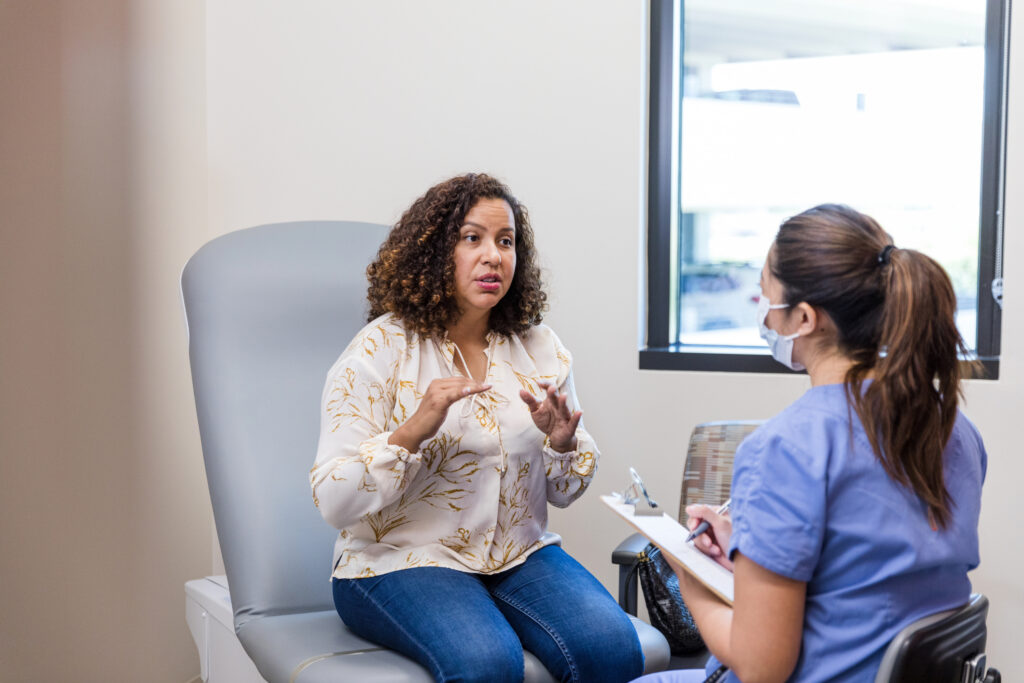
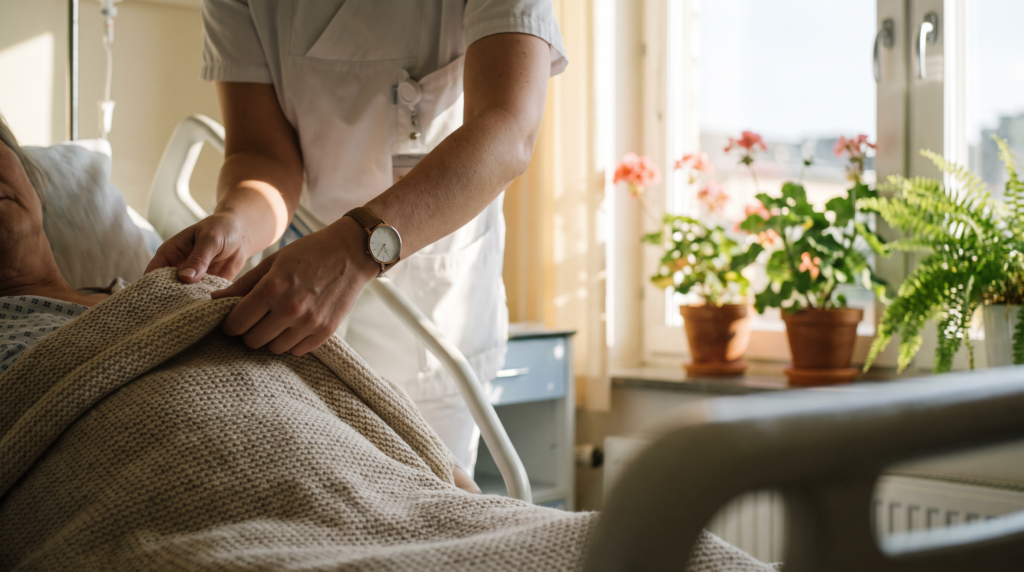
The switch from IV to oral pain medication is a milestone. Oral control means you can move freely. Walking the hallway several times a day reduces clot risk and nudges the bowel back into rhythm. Nurses will check your incision and any drains daily, watching for drainage changes that suggest the healing isn’t tracking as expected.
Dietary progression. From liquids to soft foods
You’ll likely start with clear liquids, then advance to soft, low-fiber foods. Nausea is common early on; small, frequent portions handle it better than full meals. Hydration is key, helping energy, keeps stool soft, and prevents the dehydration that lands some patients back in the hospital during their first week home.
Regaining mobility and independence. Weeks 2 to 3
Recovery after colon surgery shifts character once you’re home. The structure disappears. No one is prompting you to walk, and that’s where progress either accelerates or stalls.
Weeks two and three are about accumulating distance. Short, frequent walks beat one long effort. Most patients follow a low-residue, low-fiber diet for a few weeks after surgery to decrease the amount of stool passing through the bowel as it heals.
Fatigue during this period is normal and can come as a surprise. What isn’t normal is exhaustion that worsens day over day, arrives with fever, or comes with dizziness on standing. Such symptoms warrant contacting your care team rather than waiting.
Driving and activity restrictions
Driving after colon surgery relies on personal judgment rather than a set timeline.
- You must be fully off narcotic pain medication.
- You need to twist, check mirrors, and slam the brake without hesitation or guarding.
- After colon surgery, you should limit heavy lifting to no more than 10 pounds for 4 to 6 weeks during your recovery.
- Build walking the way you’d build a route. Add a block a day rather than a mile a week.
Bowel movement regulation and adjustment
Bowel movements after colon surgery are unpredictable at first, more frequent, looser, sometimes urgent. Many patients notice clustering, where several movements arrive close together and then nothing for hours. This usually settles as the remaining colon adapts. At home, a healthy incision looks dry and progressively flatter. Spreading redness, warmth, or new drainage are signs of infection after colon surgery.
Returning to daily life and work. Weeks 4 to 6
By week four, the colon resection recovery timeline stops being about tissue and starts being about stamina. The incision is mostly healed, but endurance, the ability to be upright, engaged, and productive for eight hours, is still developing.
If surgery was performed for cancer, this is usually when pathology results have been discussed and a follow-up plan is in place, which may or may not include additional treatment. That conversation often carries more weight than the physical recovery itself.
Food opens up gradually here. The test-and-learn approach works. Reintroduce one higher-fiber item, wait a day, note the response. Laparoscopic colon surgery recovery time is generally shorter in this phase than open colon surgery recovery time, since the abdominal wall sustained less disruption.
Work re-entry and stamina building
Return to work after colon surgery depends heavily on the job. Desk work often resumes earlier than physical labor involving lifting, climbing, or long shifts on your feet. Some mental fog is expected in the initial weeks back, as concentration often recovers more slowly than appetite. A phased schedule, half-days before full days, prevents the setback cycle.
Advanced dietary reintroduction
Raw vegetables, fruit skins, nuts, and seeds are the hardest category for a healing colon, so they belong last on the list. Add one at a time and track what happens. As fiber climbs, water intake has to climb with it, or you’ll trade loose stool for constipation. If a significant length of colon was removed, somewhat looser, more frequent stools may become your new baseline rather than a problem to fix.
Long-term internal healing. Months 2 to 6
Here’s the disconnect that frustrates patients most. The outside looks finished long before the inside is. A quiet pink scar at week six sits above tissue that’s still reorganizing collagen, still strengthening, still remodeling. That process runs for months.
Gut function follows the same curve. Surgery, bowel prep, and antibiotics can affect your gut bacteria. Many patients experience gradual changes in digestion and nutrient absorption over the following weeks and months; your care team can help you monitor this and adjust your diet as needed. Appetite and weight typically normalize in this window.
Surveillance imaging and a follow-up colonoscopy are usually scheduled during this period, with timing set by your care team based on the original diagnosis. Occasional pulling sensations and twinges near the incision are ordinary healing pains. Pain that intensifies, localizes, or arrives with vomiting is a different signal entirely.
Scar tissue and adhesion anagement
Internal adhesions, bands of scar tissue linking surfaces that weren’t previously connected, form in most abdominal surgeries and usually cause no trouble. After the six-week mark, gentle core work rebuilds the abdominal wall that supports your spine and incision. Watch for persistent bloating, cramping after meals, or a new bulge near the scar, and report any of them.
Surveillance and follow-up care
For colon cancer patients, follow-up often includes CEA blood tests and periodic oncology visits. Scan anxiety is real, and it doesn’t signal weakness, naming it makes appointments more manageable. Over time the relationship with your care team shifts from active treatment to long-term wellness planning: nutrition, activity, screening intervals, and the emotional challenges that outlast the physical ones.
Limitations and when to contact your surgeon
Every colon surgery recovery timeline published anywhere, including this one, describes an average. Your age, nutritional status, prior abdominal surgeries, and the reason for the operation all move the curve.
The standard path gets diverted most often by two things. Postoperative ileus, a temporary slowing of bowel movement that some patients experience, may affect the timing of eating and potentially lengthen the hospital stay for some people. Infection, whether at the incision or deeper in the abdomen, requires treatment before recovery resumes.
Learn the difference between discomfort and obstruction. Normal post-op discomfort is dull, improves with movement, and trends downward. Obstruction announces itself through cramping waves, abdominal swelling, vomiting, and no passage of gas or stool. Colon surgery recovery complications respond far better to an early phone call than a delayed one.
Warning Signs: The ‘Never Ignore’ List
Call your surgeon or seek urgent care for a fever above 101.5°F, persistent vomiting, or an inability to pass gas or stool. Also call for spreading redness, warmth, or drainage at the incision. New leg swelling, calf pain, chest pain, or shortness of breath warrant emergency evaluation.
Factors influencing your individual timeline
Reduced oxygen supply to tissues can slow wound healing, which is why conditions that affect blood flow may impact your recovery after surgery. Smoking and conditions like diabetes and cardiovascular disease may affect wound healing through different pathways, and adequate protein intake is thought to support recovery. Your care team can discuss which factors may be most important for your individual healing. Minimally invasive and robotic approaches tend to shorten the acute phase compared with open surgery, smaller incisions mean less tissue to perfuse and rebuild.
Key takeaways for recovery
How long does colon surgery recovery take? Initial physical healing generally spans two to four weeks, while internal healing continues for roughly three to six months. This gap often explains the confusion patients experience at the six-week follow-up.
Four things reliably shorten the path. Walk early and walk often, it’s the single most effective complication prevention available to you. Progress your colon surgery recovery diet gradually, making one change at a time. Respect lifting and driving restrictions until your surgeon clears you specifically. And treat your symptoms as information worth reporting rather than inconveniences to endure.
Frequently Asked Questions
How long does intestine surgery take? The operation itself usually runs a few hours. Recovery is measured in weeks and months, not hours.
When can I return to the gym? High-impact and heavy lifting typically wait until after surgeon clearance around the six-week mark.
Will I need a permanent colostomy? Many diversions are temporary and reversed later. Ask your surgeon which applies to you.
Disclaimer: The information provided in this article is for informational purposes only and is not intended to be a substitute for professional medical advice, diagnosis, or treatment. Outcomes4Me is not acting as your caregiver, and any suggestions or guidance offered should not replace the advice of your healthcare provider or qualified medical professional. Always seek the guidance of your physician or other qualified health provider with any questions you may have regarding a medical condition.