For decades, radical cystectomy, surgical removal of the bladder, was the default first move for muscle-invasive bladder cancer (MIBC). Today, leading institutions recommend chemotherapy before surgery (called neoadjuvant chemotherapy) to treat MIBC, as research shows this approach helps improve long-term survival. Depending on individual clinical circumstances, chemotherapy may be given before surgery, after surgery, or in combination with surgery
Neoadjuvant chemotherapy (NAC) is treatment given before the primary intervention, in this case, surgery, with two goals. Shrinking the tumor itself and eliminating hidden cancer cells that local surgery can’t reach. Neoadjuvant chemotherapy for bladder cancer works systemically, meaning it travels through your entire body rather than targeting one site alone.
MIBC requires more than local control to improve survival outcomes. Surgery removes what’s visible. Imaging can’t detect microscopic clusters of cancer cells that may have already broken away, which is where chemotherapy comes in.
The role of micrometastases
Standard imaging has limits when it comes to MIBC treatment protocol decisions. A CT or MRI scan can identify a tumor in the bladder wall, but it can’t detect microscopic clusters of cancer cells that have already broken away and entered the bloodstream or lymphatic system.
Many MIBC patients may already have cancer cells that have spread beyond the bladder at the time of diagnosis, which is one reason why doctors often recommend chemotherapy before surgery, even when scans look completely clear beyond the bladder site. These micrometastases are too small to show up on any imaging available today, which means a “clean” scan doesn’t guarantee the disease is localized.
Radical cystectomy (bladder removal surgery) typically requires six to eight weeks of recovery. For a patient carrying undetected systemic cells, that recovery window allows those cells to settle into other organs and establish new tumors. Distant recurrence may be an important factor affecting survival outcomes in MIBC, which is why your care team may discuss strategies to address both local and systemic disease when planning treatment. NAC addresses this directly by targeting the whole body, not just the visible tumor, before surgery.
Evidence-based guidance powered by NCCN Guidelines®
Personalized treatment plans shaped by the latest oncology standards—tailored to your diagnosis.
Get started
View your personalized treatment plan in the Outcomes4Me app
Use your diagnosis to unlock personalized NCCN Guidelines®-aligned recommendations.
Continue in app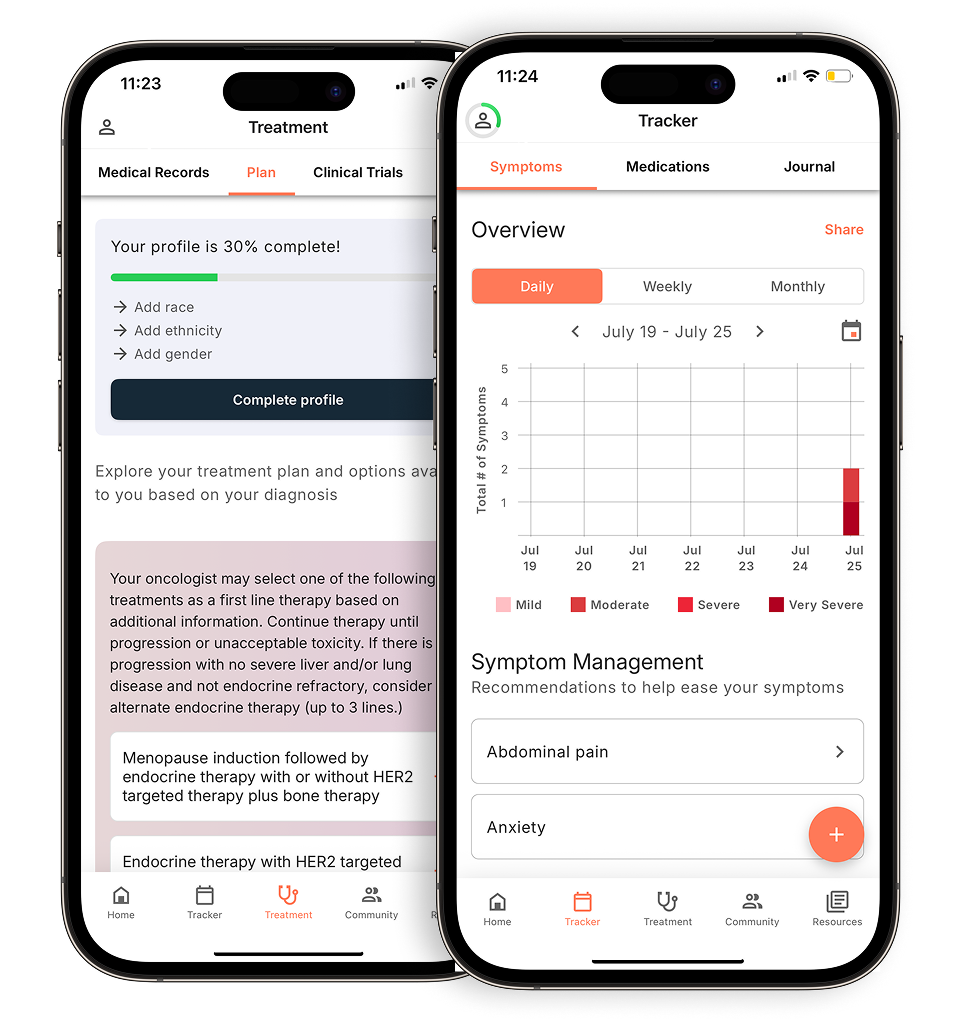
The 5-year survival advantage and pathologic complete response
The survival gap between radical cystectomy and NAC followed by surgery is measurable and meaningful, backed by landmark trial data.
The most compelling benchmark in NAC is a status called pathologic complete response. It means that when surgeons remove the bladder, pathologists find no residual cancer in the tissue. Achieving a pathologic complete response (pT0), meaning no residual cancer found in the removed bladder, is the single strongest predictor of long-term cure. Patients who achieve pathologic complete response (pT0) after NAC appear to have improved long-term outcomes and may experience remission, though specific survival rates require confirmation from additional clinical data.
Downstaging, shrinking the tumor before surgery, also matters operationally. A smaller, less invasive tumor at the time of cystectomy means the surgical team is working with clearer margins, reduced risk of microscopic spread during the procedure, and a better chance of complete removal. What happens inside that tumor during chemotherapy, and what it reveals about treatment sensitivity, sets up one of the most clinically useful aspects of this approach, something worth examining closely.
Using the tumor as a ‘litmus test’ for treatment sensitivity
When chemotherapy is delivered while the tumor is still present, it functions as a live biological test. Your care team can track whether the tumor is actually shrinking, holding steady, or growing despite treatment. That response, or lack of one, tells them something critical about your tumor’s sensitivity to that specific regimen.
Cancer care guidance for every step of your journey
Get treatment options, clinical trials, and support tailored to your diagnosis--all in one place.
Get started
See treatment options, manage symptoms, and stay informed—all in the app
View treatment options and trials personalized to your diagnosis—plus track progress in real time.
Continue in appThink of it as in vivo testing. The tumor itself becomes the indicator. If imaging and pathology confirm a meaningful response, the regimen is working, and the survival rate for bladder cancer data suggests this response strongly correlates with better long-term outcomes. But if the tumor proves resistant, your care team isn’t left guessing after surgery. This kind of early signal allows oncologists to pivot to advanced treatment methods like immunotherapy or redirect toward relevant clinical trials immediately after surgery, rather than defaulting to a regimen that has already shown limited effect.
Discovering a tumor was chemotherapy-resistant after surgery costs valuable time, time when micrometastatic cells may be establishing themselves elsewhere. The neoadjuvant window surfaces resistance early, while options are still wide open.
Why your body is better prepared for chemo before surgery
Timing chemotherapy before radical cystectomy allows you to receive treatment when your body is physically strongest.
Radical cystectomy is one of the most demanding surgeries in urology. It removes the bladder, surrounding lymph nodes, and, depending on the patient, additional reproductive structures. Recovery stretches across weeks, sometimes months, and the physical toll is significant. Attempting chemotherapy after this surgery means doing so with a body that’s already depleted, with reduced immune reserves, slower healing, and often, compromised kidney function.
Patients are generally in better overall condition before major surgery than during the recovery period that follows, which is one reason why your care team might discuss the timing of chemotherapy and surgery with you. Because cisplatin-based chemotherapy requires adequate renal function to be safely administered, this distinction is critical. Before starting cisplatin-based chemotherapy, your care team will evaluate how well your kidneys, heart, and liver are working to make sure your body can safely handle treatment.
When adjuvant chemotherapy does get planned after surgery, delays are common. Surgical complications, infections, prolonged recovery, urinary diversion issues frequently push treatment back.
What you need to know about NAC
NAC is one of the most strategic decisions your care team can make on your behalf.
The survival data makes a compelling case. The 5-year survival rate for surgery alone sits at roughly 43–50%, while neoadjuvant chemotherapy followed by surgery pushes that figure to 57–60% or higher. . Achieving a pathologic complete response, meaning no residual cancer found in the removed bladder, is the single strongest predictor of long-term cure.
Your body also tolerates chemotherapy better before a radical cystectomy than after it. The physical demands of major surgery create a recovery window where systemic treatment becomes harder to deliver and harder to complete. Treating earlier means treating when you’re strongest.
Navigating your MIBC diagnosis with personalized data
Your pathology results, genetic markers, and treatment response are the most powerful data points you have, and no two muscle-invasive bladder cancer cases are identical. Whether your care team recommends cisplatin-based chemotherapy before radical cystectomy or needs to pivot based on how your kidneys respond, the decisions ahead require more than general information. They require data matched to your specific situation.
That’s exactly where the Outcomes4Me app becomes a practical tool. You can track your pathology and genetic results, monitor treatment milestones, and see how your personalized care plan aligns with National Comprehensive Cancer Network® (NCCN®) guidelines, making Outcomes4Me a direct-to-patient digital platform that integrates evidence-based guidance. When you walk into an appointment with your care team, you’re not starting from zero. You’re bringing organized, structured insight that supports a real conversation about what comes next.
Disclaimer: The information provided in this article is for informational purposes only and is not intended to be a substitute for professional medical advice, diagnosis, or treatment. Outcomes4Me is not acting as your caregiver, and any suggestions or guidance offered should not replace the advice of your healthcare provider or qualified medical professional. Always seek the guidance of your physician or other qualified health provider with any questions you may have regarding a medical condition.
Personalized support for real care decisions
Understand your diagnosis, explore clinical trials, and track symptoms--all in one place.
Get started
Compare treatments, prepare for appointments, and track side effects—all in the app
Built for your diagnosis, Outcomes4Me gives you the tools to make confident, informed decisions—right when you need them.
Continue in app